Volkswagen has one of the longest continuous production histories of any automaker, and that shows up in the used parts market in an unusual way: some VW parts and platforms have been in production for decades with only incremental changes, while others turn over completely every generation. Knowing which is which matters a lot when you’re sourcing a used part.
This guide covers common VW models we see, typical trouble spots, and a few notes on the TDI diesel engines that set Volkswagen apart from most competitors in the compact and midsize segments.
Common Volkswagen Models We Stock Parts For
| Model | Notes |
|---|---|
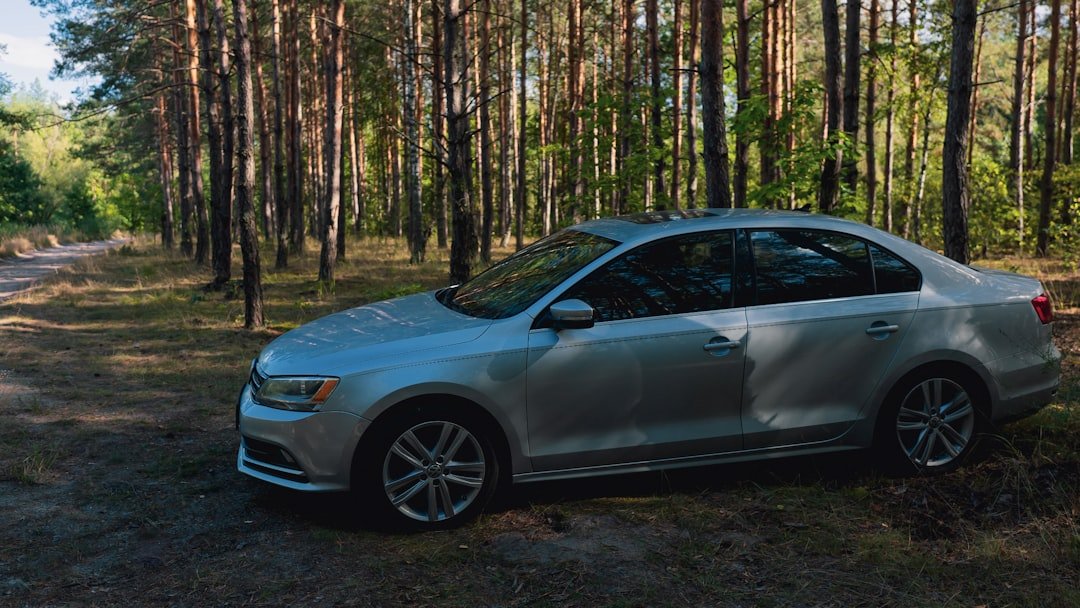
| Jetta | VW’s best-selling US sedan; shares much of its platform with the Golf |
| Golf / GTI | Hatchback platform, with the GTI trim adding a more performance-oriented engine and suspension tune |
| Passat | Midsize sedan, larger than the Jetta with different engine options depending on model year |
| Tiguan | Compact crossover, VW’s volume leader in the growing SUV segment |
TDI Diesel Engines: What to Know
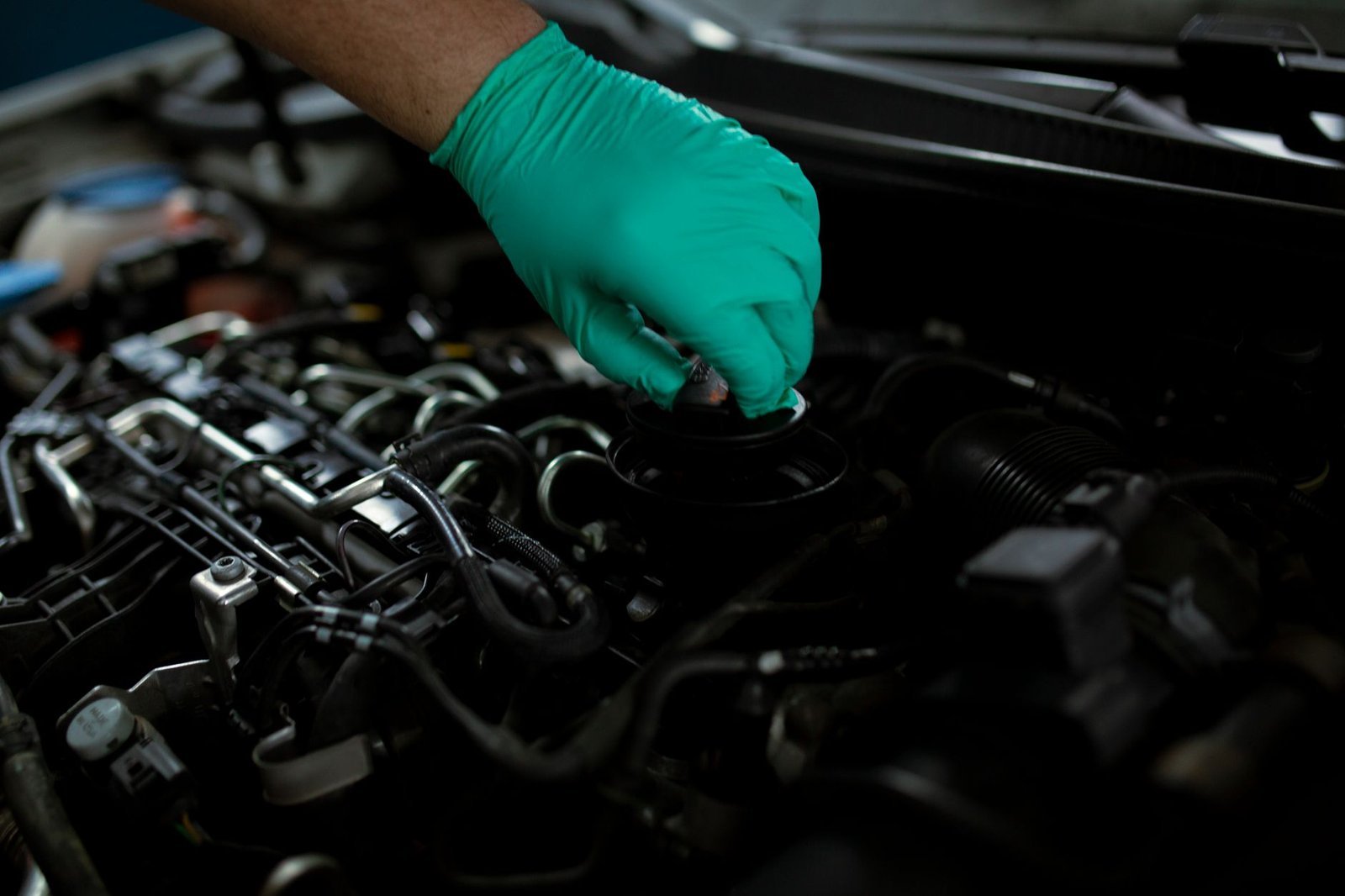
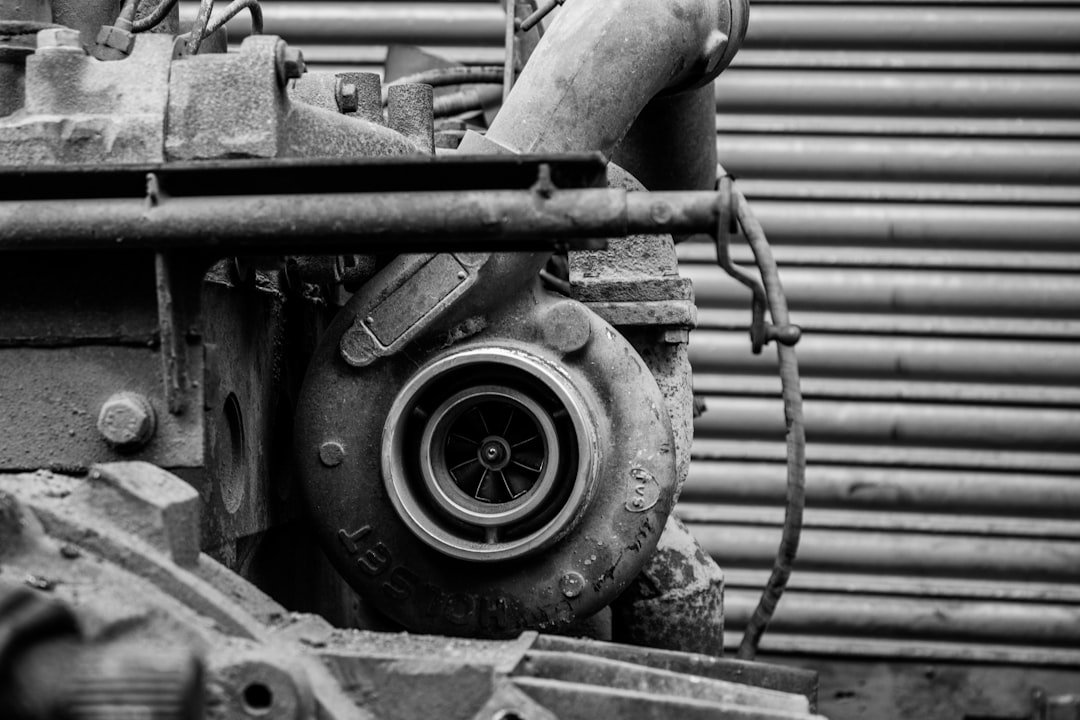
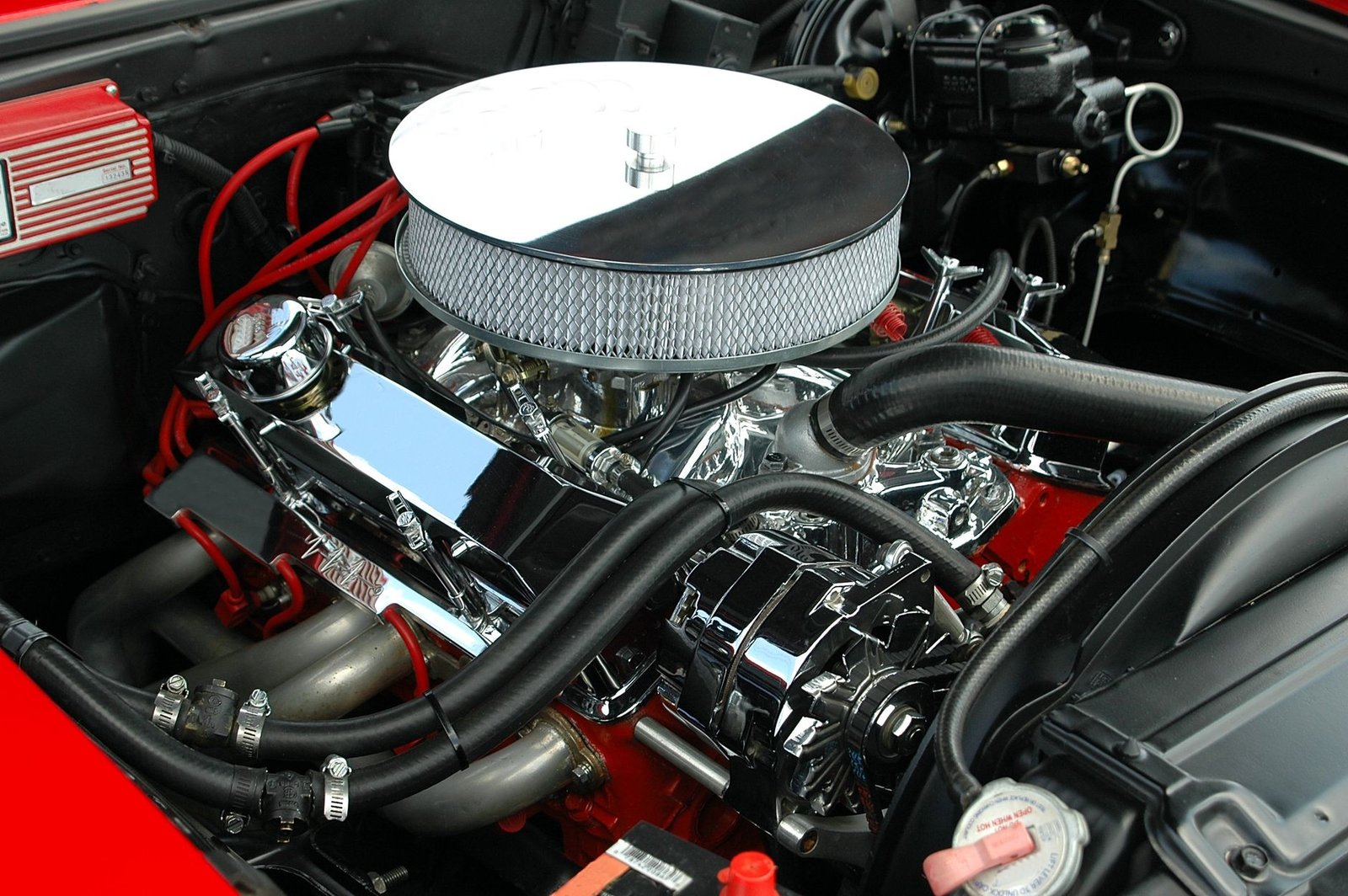
Volkswagen sold diesel-powered TDI engines in the US market for years before regulatory issues led to their discontinuation in most models. If you’re dealing with an older TDI-equipped vehicle, know that diesel engines generally have simpler ignition systems than gasoline engines (no spark plugs or ignition coils in the traditional sense) but rely heavily on the fuel injection system and turbocharger working correctly together.
Used TDI engines and injection components remain in demand among owners who value the fuel economy and longevity these engines are known for, though sourcing specific injector or pump parts can take longer than for a comparable gasoline engine simply due to lower overall production volume.
Common Trouble Spots by System
- Ignition coil packs on gasoline-engine models are a well-known wear item, often causing a rough idle or misfire code well before any other symptoms appear.
- Window regulators have a reputation for failing more often than average on several VW generations, usually the plastic clips inside the mechanism rather than the motor itself.
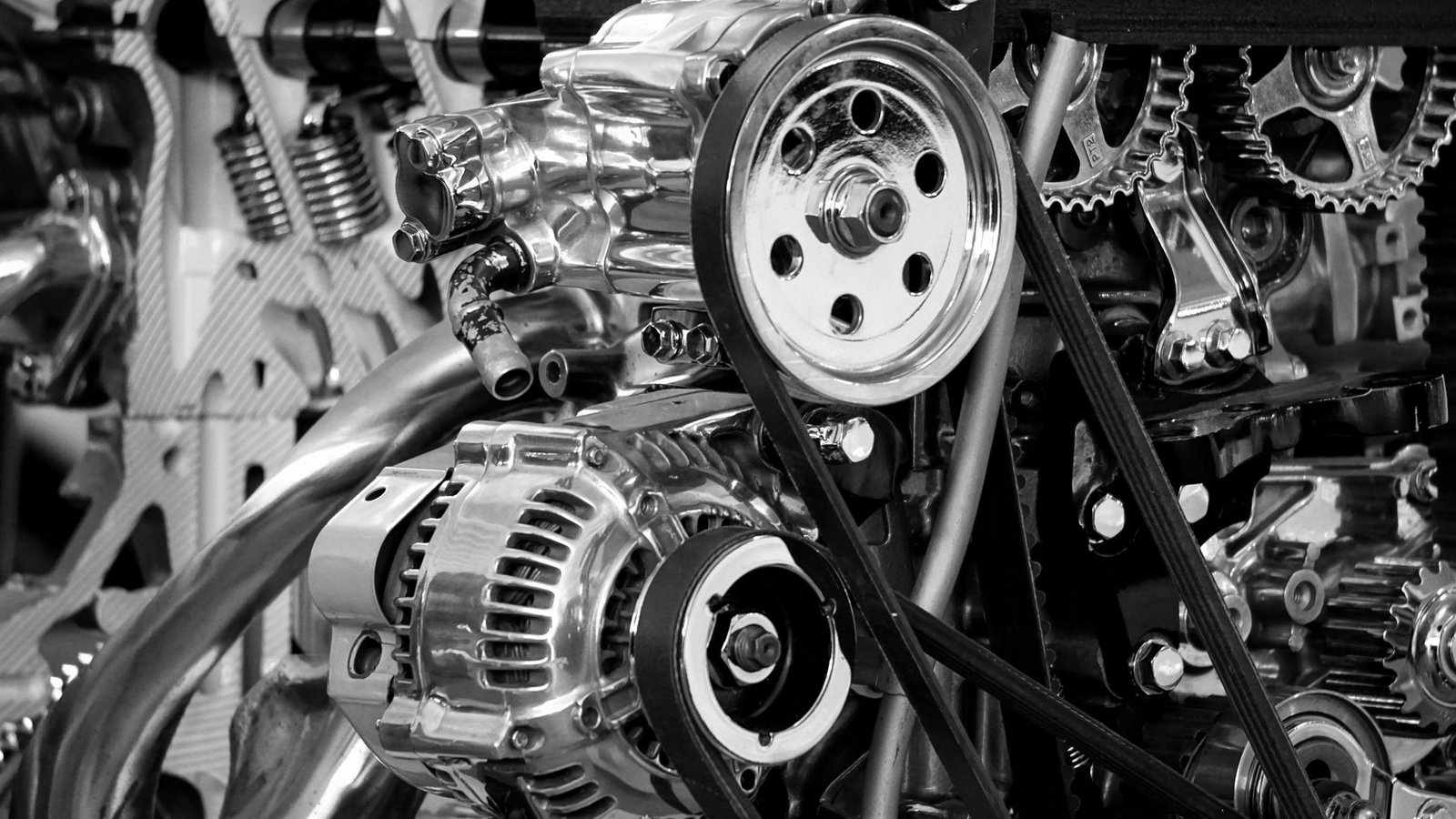
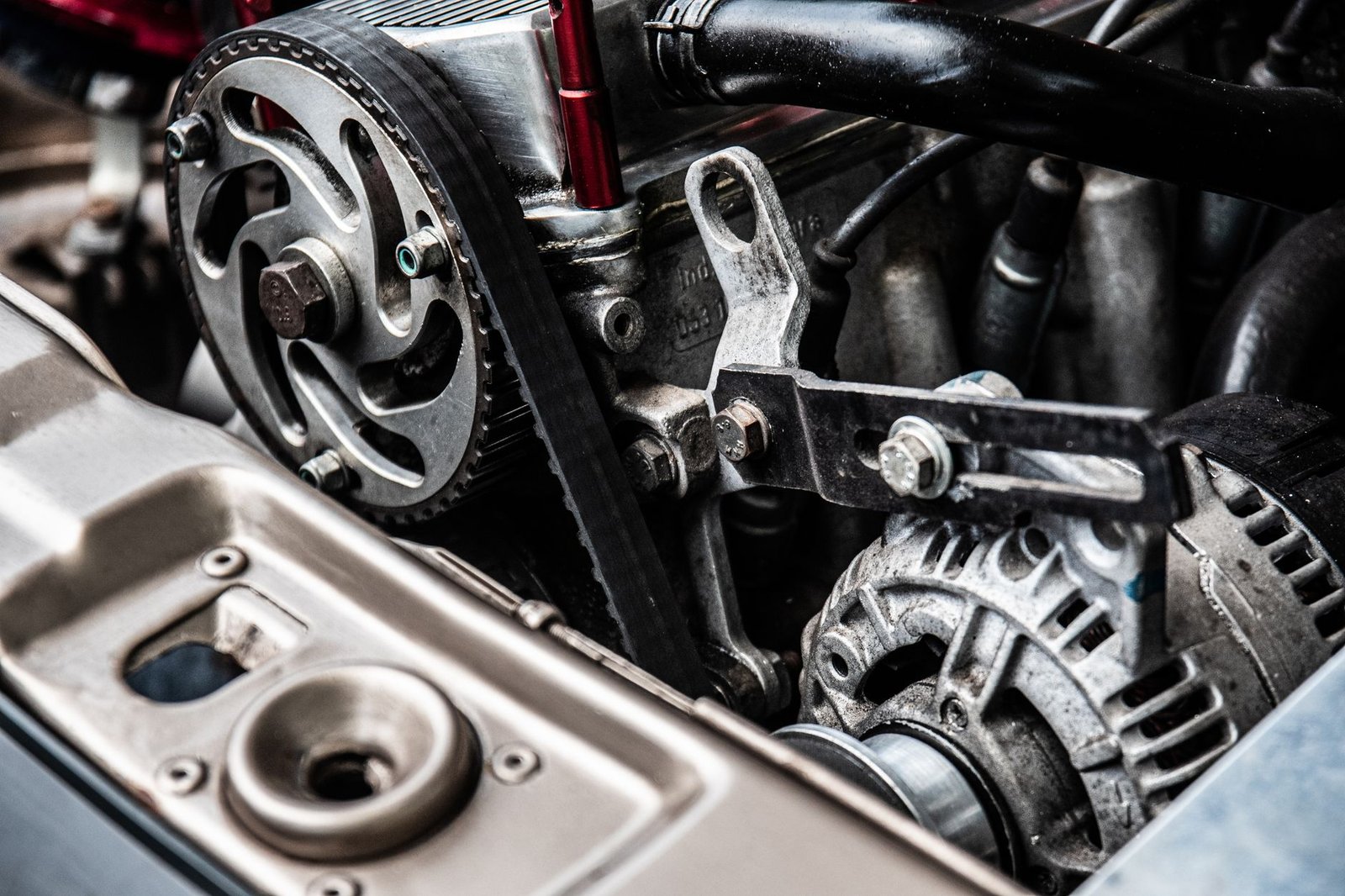
- Water pumps on some four-cylinder engines are driven by the timing belt rather than a separate accessory belt, which means a failed water pump can also mean a belt replacement at the same time.
- Electrical connector corrosion is a more common complaint on VWs than on some competitors, particularly in salt-belt climates like Chicago.
DSG and Manual Transmissions
Volkswagen’s dual-clutch DSG transmission behaves differently from both a conventional automatic and a CVT, using two separate clutch packs to pre-select gears for faster shifts. DSG units require their own specific fluid and maintenance schedule, and a used DSG transmission should come with clear service history whenever possible, since a neglected DSG can develop clutch pack wear that’s expensive to diagnose after the fact.
Manual transmissions remain available on several VW models, including the GTI, and tend to be simpler and more straightforward to source used parts for compared to the DSG.
Suspension and Wheels
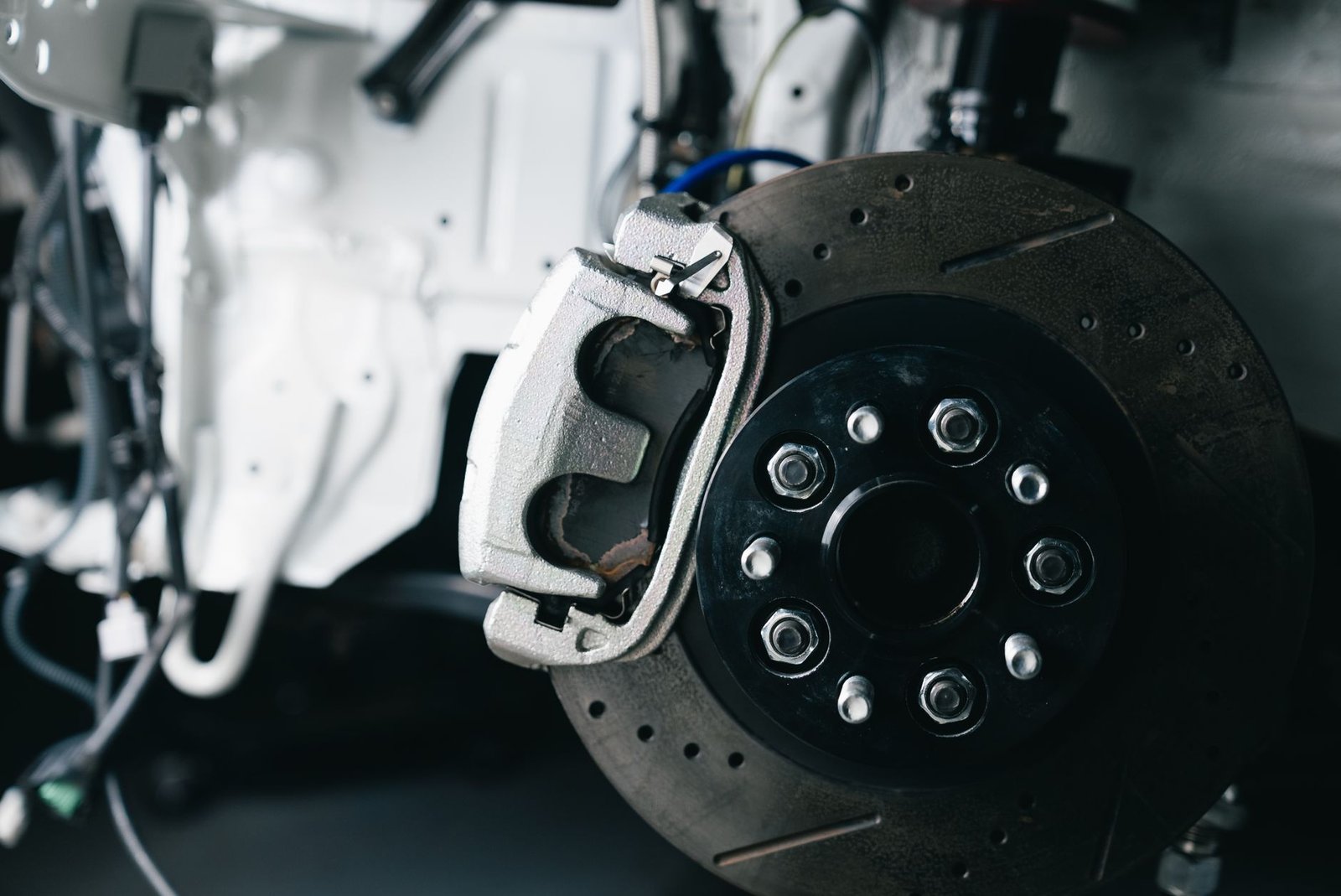
VW’s European-influenced suspension tuning tends toward a firmer ride than many American or Japanese competitors in the same class, which some owners specifically seek out for handling reasons. That firmer tuning can mean slightly faster wear on control arm bushings and sway bar links, particularly on rougher city streets.
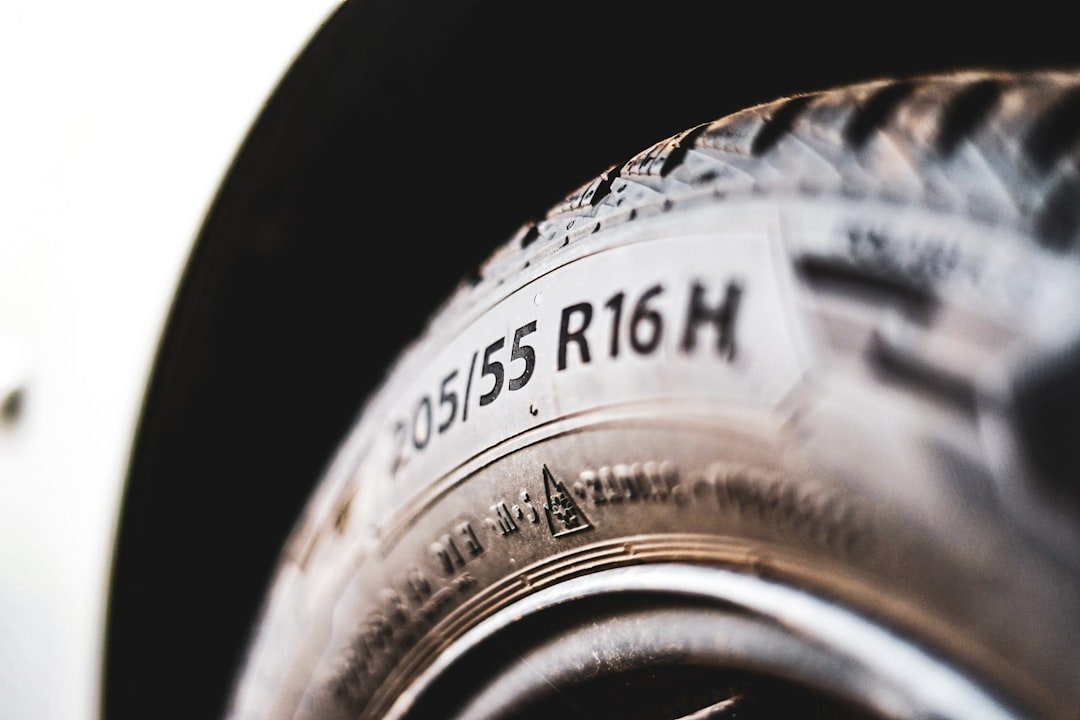
Wheel bearing wear also tends to show up a bit earlier on VW models compared to some competitors, often as a low-frequency hum that changes pitch with vehicle speed. Since this same symptom can sometimes point to a tire issue instead, it’s worth ruling out uneven tire wear before assuming the wheel bearing itself needs replacement.
Electrical System Quirks Worth Knowing
Volkswagens have a reputation, deserved or not, for more electrical gremlins than some competitors, particularly around connector corrosion in salt-belt climates and occasional module communication faults that can be tricky to pin down without a proper diagnostic scan tool. A used electrical component, whether it’s a window switch, a body control module, or a sensor, is worth testing on the bench before installation whenever possible, since a corroded connector on the original part can sometimes be the actual root cause rather than the component itself.
This is also why it’s worth having a full diagnostic scan done before assuming a specific part needs replacing, since VW’s onboard diagnostics tend to throw fairly specific codes that can point toward a wiring or connector issue rather than the part the code initially seems to implicate.
Timing Belt vs. Timing Chain by Engine
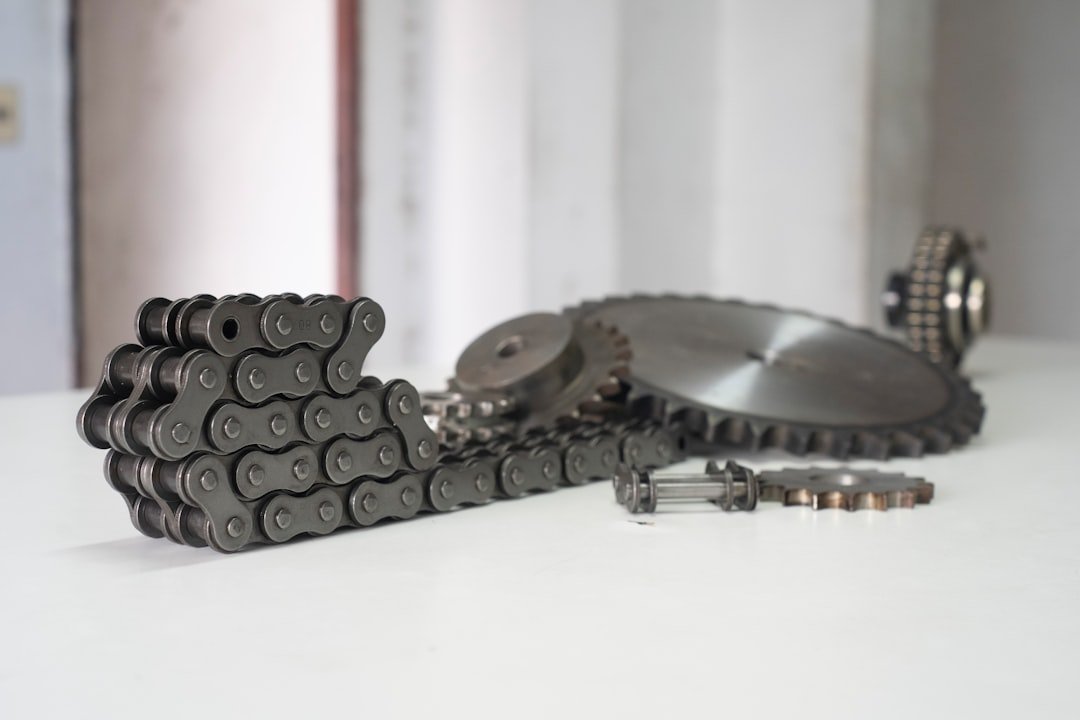
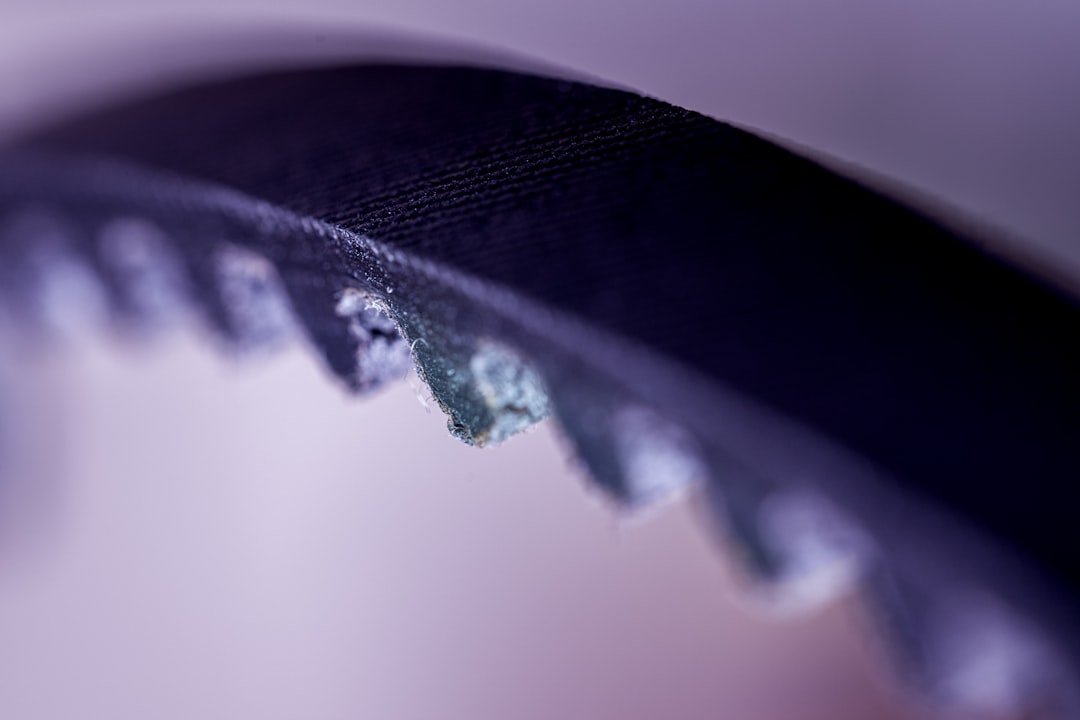
Volkswagen has used both timing belts and timing chains across different engines and model years, sometimes even within the same engine family across a production run. A timing belt requires periodic replacement on a mileage or time-based interval, while a timing chain is generally designed to last the life of the engine under normal conditions. Because water pumps on some four-cylinder engines are driven by the timing belt itself, a timing belt service on these engines often includes a water pump replacement as a preventive measure, since access to one means access to the other.
Confirming which setup your specific engine code uses, rather than assuming based on model year, is worth doing before budgeting for maintenance or sourcing used parts for either system.
Where Englewood Used Auto Parts Fits In
Every Volkswagen part we sell, from TDI-specific components to DSG transmission parts, is tested before it’s cataloged. Browse our used auto parts inventory or call ahead with your VIN to confirm current availability, particularly for lower-volume parts like TDI injection components where inventory can shift quickly.
Not sure how to confirm your VIN before ordering? Our VIN and vehicle compatibility guide covers exactly what to check, since VW engine and transmission codes vary meaningfully even within the same model year and can be easy to mix up without checking the actual build sheet.
Frequently Asked Questions
Are TDI diesel engines still worth buying used?
Yes, though sourcing specific injector or pump components can take longer than for a comparable gasoline engine due to lower overall production volume. The engines themselves are generally known for longevity when properly maintained.
What is a DSG transmission and how is it different?
A dual-clutch transmission using two separate clutch packs to pre-select gears for faster shifts than a conventional automatic. It requires its own specific fluid and maintenance schedule, distinct from both a traditional automatic and a CVT.
Why do VW window regulators fail so often?
Usually it’s the plastic clips inside the regulator mechanism breaking down over time, rather than the window motor itself failing. This is a well-documented wear pattern across several VW generations.
Do Jetta and Golf parts interchange?
Many do, particularly engine, transmission, and suspension components, since the two models share much of the same platform. Always confirm with a full part number rather than assuming based on model name alone.
Is a rough idle always an ignition coil problem on a VW?
Not always, but ignition coil packs are a well-documented and common cause of rough idle and misfire codes on VW gasoline engines, making them one of the first things worth checking.
Have a question about a specific Volkswagen part, including TDI or DSG components, or need help confirming which engine or transmission code your vehicle actually has? Contact our parts counter and we’ll help you track it down.