Category: Buying Guides

  • Used Bumper & Body Parts Buying Guide: Paint Match and Fitment

    Used Bumper & Body Parts Buying Guide: Paint Match and Fitment

    A cracked bumper cover or dented fender is one of the most common reasons people end up shopping for used auto parts, and it’s also one of the categories where “will it actually match” is the first question on everyone’s mind. Body parts are forgiving in some ways — there’s no engine code or refrigerant type to worry about — but paint matching and fitment precision matter more here than almost anywhere else.

    This guide covers how to find your paint code, what to expect from OEM vs. aftermarket body parts, and what fair pricing looks like.

    A car's side mirror and door panel

    Finding Your Paint Code

    Your vehicle’s paint code is usually located on a sticker in the driver’s side door jamb, sometimes labeled “EXT PNT” or “BODY COLOR CODE,” and is typically a short alphanumeric code like “8X8” rather than a descriptive color name like “Deep Blue Metallic.” This code, not the color name, is what a body shop or paint supplier needs to mix a matching color, since color names can vary or be discontinued while the underlying code stays consistent with the manufacturer’s records.

    Used vs. Pre-Painted vs. Unpainted

    OptionWhat It MeansNotes
    Used OEM (already painted)A genuine factory part from a donor vehicle, in its existing colorOnly a fitment option if the donor vehicle was the same color as yours
    Unpainted OEM or aftermarketA new or used part with no paint, ready for color matchingRequires a paint job, but works with any target color
    Pre-painted aftermarketA new part painted to your paint code before shippingConvenient, but plastic and metal can take paint slightly differently, causing subtle variation
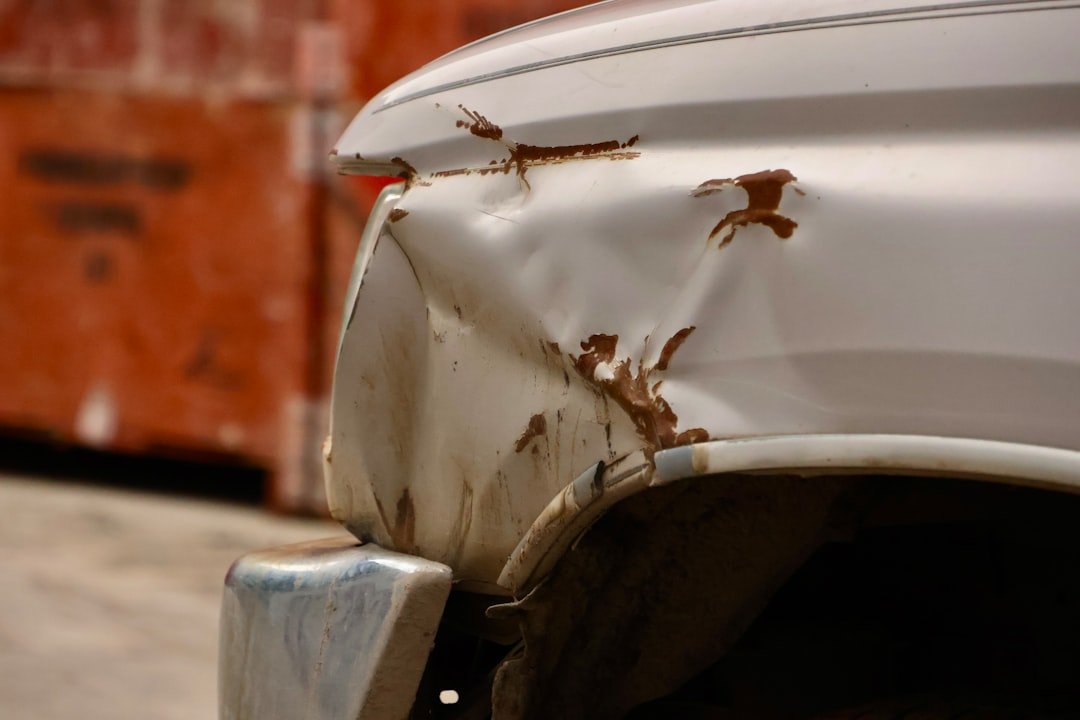
    A damaged fender panel showing a dent

    OEM vs. Aftermarket: What Actually Differs

    OEM body parts are made to the same specifications as what came on the vehicle originally, which generally means panel gaps and mounting points line up without adjustment. Aftermarket parts can vary meaningfully in fit and finish depending on the manufacturer, and while a quality aftermarket part can be a perfectly good repair, poor fitment on a cheaper option can mask corrosion points, create wind noise, or throw off paint alignment at the panel edges, sometimes leading to more labor than the part’s lower price initially suggested.

    The Inter-Industry Conference on Auto Collision Repair (I-CAR), the collision repair industry’s training and standards body, emphasizes proper fitment and manufacturer repair procedures precisely because poor-fitting body parts can affect more than appearance — on structural panels, fitment can also affect how the vehicle performs in a future collision. This is one of the reasons an insurance company covering a repair may still require OEM parts for structural or safety-related components even while allowing aftermarket for purely cosmetic panels.
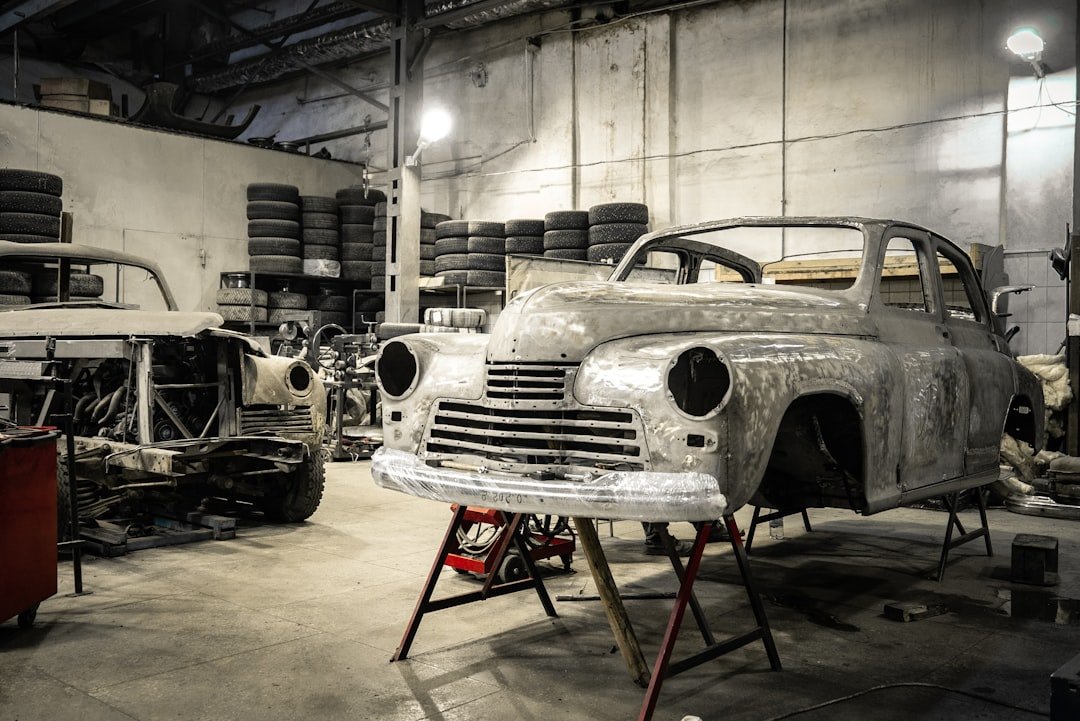
    A body panel being worked on in a shop

    What to Check Before Buying a Used Body Part

    • Confirm the paint code matches, not just the color name, if you’re hoping to use a part already painted to your vehicle’s original color.
    • Inspect for prior repair, filler, or repainting on a “used OEM” part, since a part pulled from a donor vehicle may have its own damage history.
    • Check mounting points and clips for wear or breakage, since plastic mounting tabs are common failure points on bumper covers.
    • For structural panels (as opposed to purely cosmetic trim), lean toward OEM given the safety implications discussed above.

    A manufacturer identification marking on a vehicle

    Bumper Covers vs. Bumper Reinforcement Bars

    What most people call a “bumper” is actually a plastic cover, largely cosmetic, mounted over a metal or composite reinforcement bar that absorbs impact energy and is designed to be replaced together with energy-absorbing foam or brackets after a real collision. A scraped or cracked bumper cover with no other symptoms usually means only the cover needs replacing. But if the vehicle was in an actual collision, even a low-speed one, it’s worth having the reinforcement bar and mounting brackets inspected too, since damage there isn’t always visible once the cover is back in place.

    Typical Costs: Used vs. New

    PartTypical Used PriceTypical New Price
    Bumper cover (unpainted)$80–250$200–600
    Fender$60–180$150–450
    Painted bumper cover (matched)$300–700$500–1,200+

    Warranty Coverage

    Warranty on body parts typically covers fitment and material defects rather than paint, since paint is usually a separate step handled by a body shop. Look for at least a 30 day warranty on the part itself and confirm whether return is possible if a part doesn’t fit as expected.

    Sensors, Cameras, and Parking Aids Hidden in Modern Bumpers

    On many newer vehicles, the front and rear bumper covers house parking sensors, cameras, and sometimes radar components for driver assistance features. When buying a used bumper cover for one of these vehicles, confirm whether it includes the correct sensor cutouts and, if the donor part came pre-installed with sensors, whether those specific components are compatible with your vehicle’s system. Missing or mismatched sensor provisions is an easy detail to overlook until the part arrives and doesn’t have the openings your vehicle’s electronics expect.
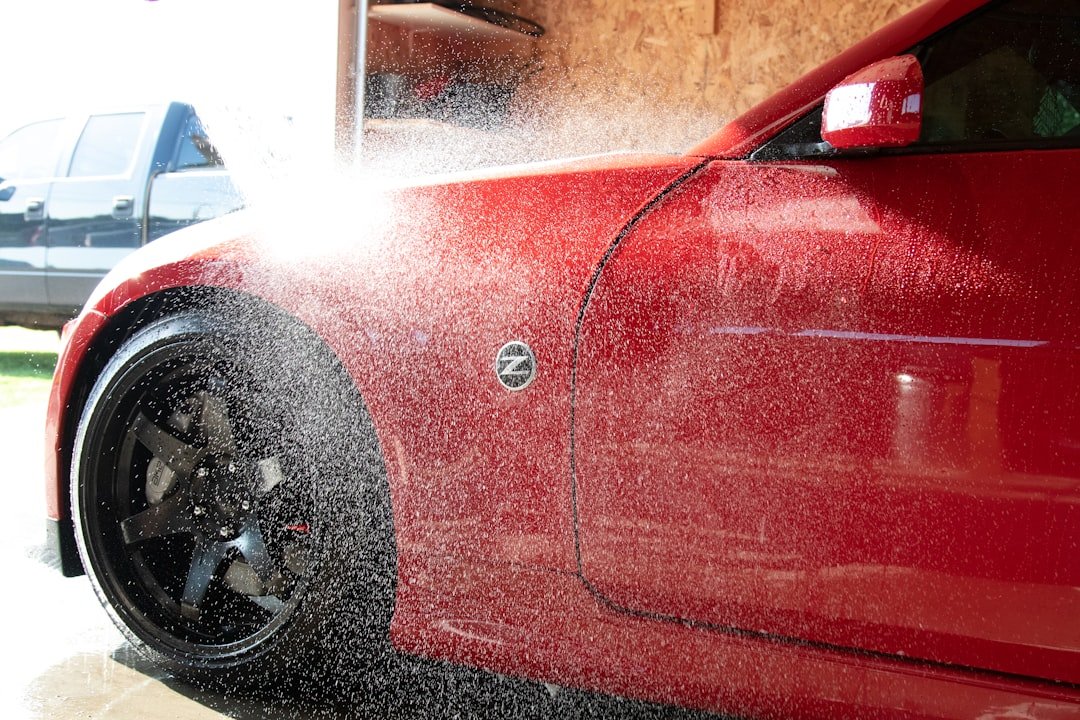
    A car's fender panel

    Where Englewood Used Auto Parts Fits In

    Every body part we sell is inspected for prior damage and mounting condition before it’s cataloged by make, model, and year. Browse our used auto parts inventory or call ahead with your VIN to confirm current availability and color match.

    Not sure how to confirm your VIN before ordering? Our VIN and vehicle compatibility guide covers exactly what to check. If you’re dealing with a collision beyond just body panels, our suspension parts guide covers what else is worth inspecting. And if a mirror or window took damage in the same collision, our mirrors and window regulators guide covers those parts specifically.

    Frequently Asked Questions

    Where do I find my car’s paint code?

    Usually on a sticker in the driver’s side door jamb, often labeled “EXT PNT” or “BODY COLOR CODE.” It’s a short alphanumeric code rather than a descriptive color name.

    Will a used bumper already be the right color?

    Only if the donor vehicle was the same paint code as yours. Otherwise, you’ll need an unpainted part or a repaint to match, since paint codes vary even within the same general color family.

    Is OEM or aftermarket better for body parts?

    OEM guarantees factory-spec fitment and is generally preferred for structural panels. Quality aftermarket can be a reasonable, less expensive option for purely cosmetic trim, but fitment quality varies by manufacturer.

    Why does my insurance want to use aftermarket parts?

    Aftermarket parts are typically priced well below OEM, which lowers claim costs for the insurer. You generally have the right to request OEM parts and pay any price difference yourself.

    Do used body parts come with a warranty?

    Reputable sellers typically offer at least 30 days covering fitment and material defects. Paint is usually handled separately and isn’t covered under the parts warranty.

    Is a bumper cover the same as the whole bumper system?

    No. The visible plastic cover is largely cosmetic, mounted over a metal or composite reinforcement bar that absorbs impact energy. After an actual collision, it’s worth having the reinforcement bar and brackets checked too, not just the cover.

    Bumper-Integrated Lighting and Trim

    On many modern vehicles, fog lights, marker lights, and even parts of the headlight or taillight housing are integrated into the bumper cover assembly rather than mounted separately. This means a used bumper cover needs to match not just the color and body style, but the specific lighting configuration your trim level came with — a base-trim bumper without fog light cutouts won’t work if your vehicle has fog lights, even if the paint code matches perfectly. Always confirm the trim level of the donor vehicle, not just the make, model, and year, when shopping for a bumper with integrated lighting.

    Does my bumper’s trim level matter, not just the model?

    Yes, especially if your bumper has integrated fog lights or lighting cutouts. A bumper cover from a lower trim without those features won’t have the correct openings, even if the color and body style otherwise match.

    Not sure which body part fits your vehicle? Contact our parts counter with your year, make, model, and paint code, and we’ll confirm availability and condition before you buy.
  • Used Wheels & Rims Buying Guide: Damage, Fitment, and Cost

    Used Wheels & Rims Buying Guide: Damage, Fitment, and Cost

    A used wheel is one of the easiest parts to judge with your own eyes, but it’s also one where a hidden problem can genuinely put you at risk on the road. Unlike most parts on this site, a cracked or badly bent wheel isn’t just a performance issue — it’s a structural one, which makes inspection worth taking seriously rather than treating as a formality.

    This guide covers how to check a used wheel for damage, what bolt pattern and offset actually mean for fitment, and what fair pricing looks like.

    What to Check Before Buying a Used Wheel

    • Look closely at the inner barrel of the wheel (not just the visible outer face) for hairline cracks, which are easy to miss but compromise structural integrity.
    • Check lug holes for elongation or wear, a sign of improper tightening over the wheel’s life.
    • Inspect for bends by rolling the wheel a few feet on a flat surface and watching for wobble, or better, have a shop spin it on a balancer.
    • Look for weld repairs, which some sellers use to patch a crack rather than disclosing it — a legitimate seller should be upfront about any repair history.
    • Check for corrosion or pitting around the mounting surface, which can prevent the wheel from seating properly against the hub.

    Bolt Pattern, Offset, and Center Bore: Why All Three Matter

    SpecWhat It MeansWhy It Matters
    Bolt patternNumber of lug holes and the diameter of the circle they form (e.g., 5×114.3mm)A wheel with the wrong pattern simply won’t mount to your hub
    OffsetDistance from the wheel’s mounting surface to its centerlineWrong offset can cause rubbing, uneven tire wear, or accelerated suspension wear
    Center boreThe diameter of the center hole that centers the wheel on the hubA bore that’s too large can cause vibration even with correct bolt pattern and offset

    All three have to match, or be within an acceptable range, for a used wheel to be a safe and correct fit — matching bolt pattern alone isn’t enough. A wheel with the wrong offset can look like it fits, then cause rubbing against the suspension or fender, or put excess stress on wheel bearings over time.

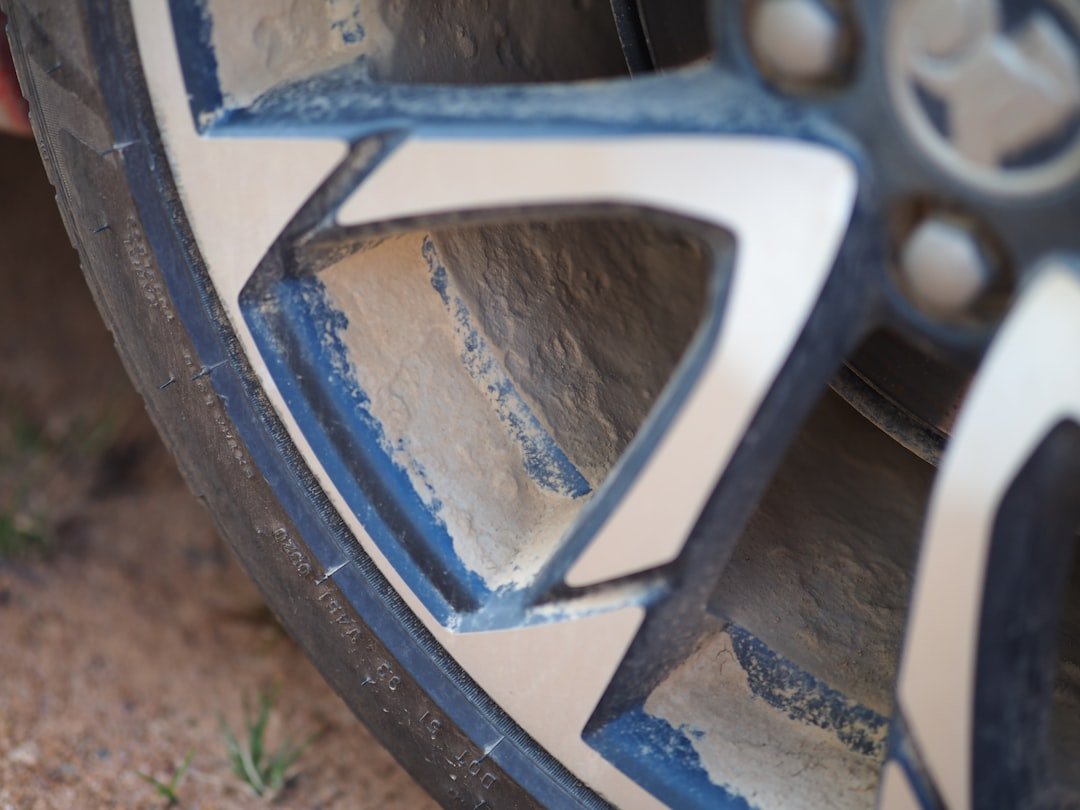
    A wheel rim showing curb rash damage

    How Shops Test for Cracks and Bends

    Beyond a visual check, a tire shop can submerge a mounted wheel and tire in a water tank and look for bubbles originating from the wheel’s inner barrel specifically (not the tire), which indicates a crack. For bends, spinning the wheel on a balancing machine reveals wobble that isn’t always obvious by eye. The Tire Industry Association, which sets training standards for tire and wheel service technicians, recommends this kind of professional verification specifically because internal wheel damage often isn’t visible from the outside. If you’re buying a used wheel and have any doubt after a visual inspection, it’s worth the modest cost of having a shop verify it before you mount tires and drive on it.

    A mechanic handling a tire in a shop

    Wheel Size and Speedometer Accuracy

    Changing to a different wheel and tire size than your vehicle originally came with can throw off speedometer and odometer accuracy, since both are calibrated around the original tire’s rolling diameter. A slightly larger overall diameter makes your actual speed higher than what the speedometer displays, and a smaller diameter has the opposite effect. This is a secondary consideration compared to structural safety, but it’s worth knowing if you’re buying used wheels in a different size than stock, since it can also affect ABS and traction control system calibration on some vehicles.

    Lug Nuts and Hardware

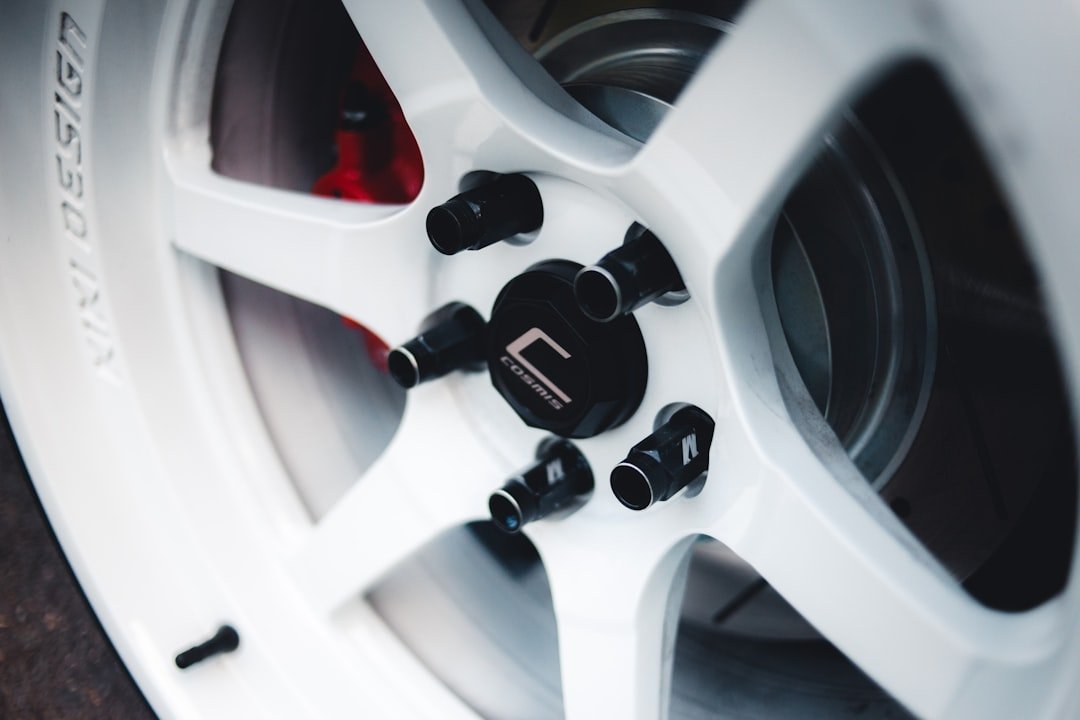
    Lug nuts and bolts should match your vehicle’s specific thread pattern and seat type (conical, ball, or flat, depending on the vehicle), and using the wrong type can prevent the wheel from seating and torquing correctly even if the wheel itself is a perfect fit. If you’re buying used wheels without the original hardware, factor in new, correctly-matched lug nuts as part of the purchase.

    Close-up of lug nuts on a wheel hub

    Typical Costs: Used vs. New

    OptionTypical Price (Each)Notes
    Used OEM wheel$50–150Price varies significantly by size, finish, and demand
    New OEM wheel$200–600+Higher for larger sizes and specialty finishes
    Aftermarket wheel (new)$100–300Confirm load rating matches or exceeds OEM spec
    Wheel alignment equipment in a shop

    Warranty Coverage

    Given the safety implications, ask specifically whether a used wheel was crack-checked, not just visually inspected, and look for at least a 30 to 90 day warranty covering defects found after installation.

    Steel Wheels vs. Alloy Wheels

    Most factory wheels are either stamped steel or a cast aluminum alloy, and the two behave differently when it comes to used-wheel shopping. Steel wheels are heavier but more forgiving of curb impacts and generally bend rather than crack, which makes a bend from a pothole easier to spot visually. Alloy wheels are lighter and better for handling and fuel economy, but they’re more prone to cracking rather than bending under the same impact, which is exactly why the inner-barrel crack check matters more for alloys. If you’re replacing a single damaged wheel and the rest of your set is alloy, matching material as well as size and finish keeps handling and appearance consistent.

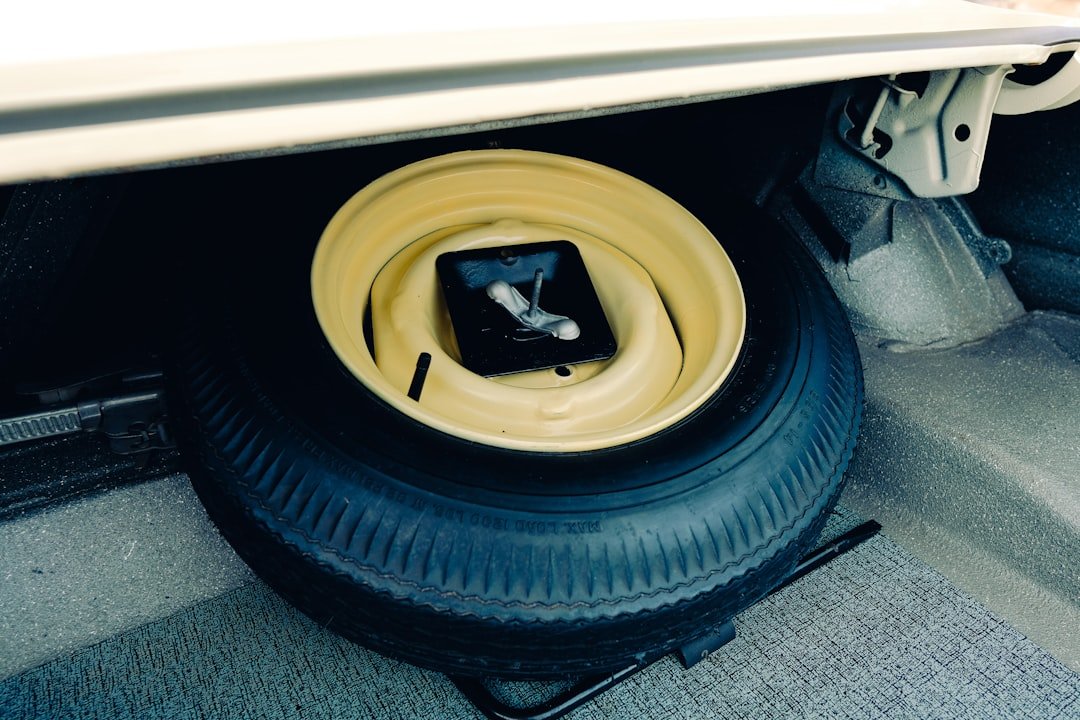
    A spare tire in a vehicle's trunk compartment

    Where Englewood Used Auto Parts Fits In

    Every wheel we sell is inspected for cracks, bends, and hardware condition before it’s cataloged by size, bolt pattern, and offset, and backed by a warranty. Browse our used auto parts inventory or call ahead with your VIN to confirm current availability.

    Not sure how to confirm your VIN before ordering? Our VIN and vehicle compatibility guide covers exactly what to check. If you’re also inspecting the suspension on a used vehicle, our suspension parts guide covers what else is worth a look.

    Frequently Asked Questions

    How can I tell if a wheel is cracked?

    Look closely at the inner barrel, not just the visible outer face, for hairline cracks. A tire shop can also perform a water submersion test, checking for bubbles originating from the wheel itself rather than the tire.

    What happens if I use the wrong wheel offset?

    Wrong offset can cause the tire to rub against the fender or suspension components, accelerate wear on wheel bearings, and affect handling, even if the bolt pattern matches correctly.

    Can a bent wheel be repaired?

    Minor bends can sometimes be straightened by a wheel repair specialist, but cracks generally cannot be safely repaired and the wheel should be replaced.

    Do I need new lug nuts with a used wheel?

    If the original hardware isn’t included, yes. Lug nuts need to match your vehicle’s specific thread pattern and seat type to torque and seat correctly.

    Do used wheels come with a warranty?

    Reputable sellers typically offer 30 to 90 days. Ask specifically whether the wheel was crack-checked, not just visually inspected, before you buy.

    Will a different wheel size affect my speedometer?

    Yes, if the overall tire diameter changes from stock. A larger diameter makes your actual speed higher than what’s displayed, and a smaller diameter has the opposite effect. It can also affect ABS calibration on some vehicles.

    Not sure which wheel fits your vehicle? Contact our parts counter with your year, make, and model, and we’ll confirm bolt pattern, offset, and availability before you buy.

  • Used Power Steering Buying Guide: Pump, Rack, or EPS?

    Used Power Steering Buying Guide: Pump, Rack, or EPS?

    Heavy or noisy steering gets blamed on “the power steering” as a catch-all, but the pump and the rack (or the electric assist motor on newer vehicles) fail in different ways and for different reasons. Telling them apart before buying a part saves you from replacing the wrong component and still having the same problem.

    This guide covers how to tell a failing pump from a failing rack, what electric power steering changes about the diagnosis, and what to check before buying a used part.

    Pump vs. Rack: Telling Them Apart

    SymptomLikely CulpritWhy
    Whining or groaning noise that changes with engine RPMPumpClassic sign of a hydraulic pump struggling or low on fluid
    Steering heavy at idle, better once revvedPumpPump output is often RPM-dependent
    Excessive play or looseness in the wheelRack and pinionPoints to internal wear in the rack itself
    Clunking or knocking when turningRack, tie rods, or related linkageWorn internal components or connections
    Fluid puddle under the front of the vehicleRack or pump seal leakCheck both for external leaks before assuming which
    Vehicle wanders or pulls even with good alignmentRackCan indicate internal wear affecting steering precision

    Electric Power Steering: A Different Set of Symptoms

    Most new vehicles now use electric power steering (EPS) rather than a hydraulic pump, which changes the diagnosis entirely. EPS systems use an electric motor rather than hydraulic pressure, so there’s no fluid to check or whine to listen for. Instead, EPS failures typically show up as a warning light on the dashboard, a sudden loss of assist (steering becomes very heavy all at once), or intermittent assist that cuts in and out. EPS motors and control modules are more of an electrical diagnosis than a mechanical one, often requiring a scan tool to pull the specific fault code.

    A fluid reservoir cap under the hood

    What to Check Before Buying a Used Power Steering Part

    • For a hydraulic pump, confirm it was tested for output pressure, not just spun by hand.
    • For a rack and pinion, check for smooth movement across the full range of travel with no binding, and inspect the boots for tears that could have let contaminants in.
    • For an EPS motor or control module, confirm it’s specific to your exact trim, since steering assist calibration can vary even within the same model.
    • Ask whether the donor vehicle had any related warning lights or steering complaints before the part was pulled.

    According to the Motorist Assurance Program, the industry group behind uniform inspection standards for undercar service, steering and suspension components should be inspected together, since wear in one system often accelerates wear in the other. A rack or pump replaced without checking related suspension components can mask a problem rather than fully resolve it.

    A steering component shown for inspection

    Why Tire Wear Matters to This Diagnosis

    Uneven or unusual tire wear patterns can point back to a steering problem rather than a suspension or alignment issue alone. A rack with excessive internal play can cause the wheels to toe in and out slightly as you drive, wearing tires unevenly even with a technically correct alignment setting. If you’re chasing unexplained tire wear, it’s worth having the steering system checked alongside the usual alignment and suspension inspection.

    Checking tire wear pattern on the front of a vehicle

    Power Steering Fluid: Why the Type Matters

    Not all power steering fluid is interchangeable. Some manufacturers specify automatic transmission fluid (ATF) for their power steering systems, while others require a dedicated power steering fluid, and using the wrong type can cause seals to swell, harden, or degrade over time, leading to leaks and pump wear that wouldn’t otherwise occur. If you’re inheriting a used vehicle or troubleshooting a leak, confirming the correct fluid type in the owner’s manual is worth the two minutes it takes, especially before topping off with whatever happens to be on the shelf.

    Typical Costs: Used vs. New

    PartTypical Used PriceTypical New/Remanufactured Price
    Power steering pump (hydraulic)$40–100$150–350
    Rack and pinion assembly$100–300$400–900
    EPS motor/control module$150–350$500–1,200
    A hydraulic hose fitting

    Warranty Coverage

    Because a steering failure has real safety implications, warranty coverage matters as much here as for any other part on this list. Look for at least a 30 to 90 day warranty, and ask specifically what testing was done before the part was cataloged.

    Why a Steering Problem Is Never a “Wait and See”

    Steering issues tend to worsen gradually rather than fail all at once, which makes them easy to put off. But a rack with excessive play or a pump that’s losing pressure rarely improves on its own, and continuing to drive on a marginal steering system means less precise control exactly when you might need it most, like in an emergency maneuver or on wet or icy roads. If you’ve noticed any of the symptoms above, even mildly, it’s worth having the system checked sooner rather than waiting for it to become impossible to ignore.

    Hands on a car's steering wheel

    Where Englewood Used Auto Parts Fits In

    Every steering component we sell is tested before it’s cataloged by make, model, and year, and backed by a warranty. Browse our used auto parts inventory or call ahead with your VIN to confirm current availability.

    Not sure how to confirm your VIN before ordering? Our VIN and vehicle compatibility guide covers exactly what to check. If you suspect the suspension rather than steering specifically, our suspension parts guide covers what else to look for.

    Frequently Asked Questions

    How do I know if it’s my power steering pump or the rack?

    A whining noise that changes with engine speed usually points to the pump, while looseness, clunking, or wandering while driving usually points to the rack. A shop can isolate which in a short inspection.

    Do all cars still have power steering fluid?

    No. Most new vehicles use electric power steering (EPS), which has no fluid and no pump. Older vehicles and some current models still use a hydraulic system with fluid.

    What does an EPS warning light mean?

    It typically indicates a fault in the electric power steering motor or control module. Unlike a hydraulic system, there’s no fluid to check, so this usually requires a scan tool to pull the specific fault code.

    Can a steering problem cause uneven tire wear?

    Yes. Excessive play in the rack and pinion can cause the wheels to toe in and out slightly while driving, wearing tires unevenly even with a correct alignment setting.

    Do used power steering parts come with a warranty?

    Reputable sellers typically offer 30 to 90 days. Ask specifically what testing was performed before the part was cataloged, given the safety implications of a steering component.

    Does it matter which power steering fluid I use?

    Yes. Some manufacturers specify automatic transmission fluid while others require a dedicated power steering fluid, and using the wrong type can degrade seals and cause leaks. Always check the owner’s manual for the correct fluid type.

    Steering Wheel Vibration vs. Looseness

    It’s worth distinguishing a vibration felt through the steering wheel from actual looseness in the wheel itself, since they point to different systems. A vibration that appears at highway speed and changes with speed usually traces back to a wheel or tire issue, like an imbalance or a bent rim, rather than the steering system itself. Actual play or looseness when you turn the wheel, on the other hand, points more directly at worn steering components like the rack, tie rods, or their mounting bushings. Confusing the two can lead to replacing the wrong part first.

    Is steering wheel vibration the same as steering looseness?

    No. Vibration that changes with speed usually points to a wheel or tire issue like imbalance, while actual play when turning the wheel points more directly at worn steering components like the rack or tie rods.

    Not sure which steering part fits your vehicle? Contact our parts counter with your year, make, and model, and we’ll confirm availability and condition before you buy.

  • Used Fuel Pump Buying Guide: Symptoms, Testing, and Cost

    Used Fuel Pump Buying Guide: Symptoms, Testing, and Cost

    A fuel pump failing is one of the more inconvenient ways a car can let you down, since it often gives some warning before it fails completely but rarely enough warning to plan around. Most fuel pumps today sit inside the fuel tank, which makes replacement more involved than a lot of other repairs, and it also means a habit as simple as regularly running low on gas can shorten a pump’s life.

    This guide covers the symptoms of a failing fuel pump, how it’s tested, and what to check before buying a used one.

    Filling a car's fuel tank at a gas station

    Common Fuel Pump Failure Symptoms

    SymptomWhat It Usually MeansNotes
    Engine cranks but won’t startNo fuel reaching the engineListen for the pump’s priming hum when the key is turned to “on”
    Whining noise from the fuel tank areaEarly sign of pump wearOften precedes a full failure by days or weeks
    Sputtering or power loss under loadPump can’t maintain pressure under demandCommon going uphill or during hard acceleration
    Stalling that resolves after restartingPump overheating, often from low fuel levelFrequently driving on a near-empty tank accelerates this
    Poor fuel economyPump not delivering fuel efficientlyEngine compensates by running rich, burning more fuel

    How Fuel Pumps Are Tested

    A fuel pressure gauge connected to the system’s test port is the most direct way to check a pump: with the engine running, the pressure should match the manufacturer’s specification, and a reading below spec points to a weak or failing pump. Beyond a pressure check, a technician can also measure current draw, since a healthy pump draws a consistent, predictable amount of current — unusually high draw suggests the pump is straining against wear or a clog, while low or zero draw suggests an open circuit or a seized motor.

    Filling a car with fuel at a gas station

    Why Running Low on Fuel Shortens Pump Life

    Most in-tank electric fuel pumps rely on the fuel itself to keep the motor cool and lubricated. Running the tank consistently low starves the pump of that cooling effect, causing it to run hotter than designed and wear out faster. This is one of the most preventable causes of premature pump failure, and it’s worth knowing if you’re buying a used vehicle or a used pump, since a donor vehicle that was frequently driven on fumes may have contributed a more worn pump than its mileage alone would suggest.

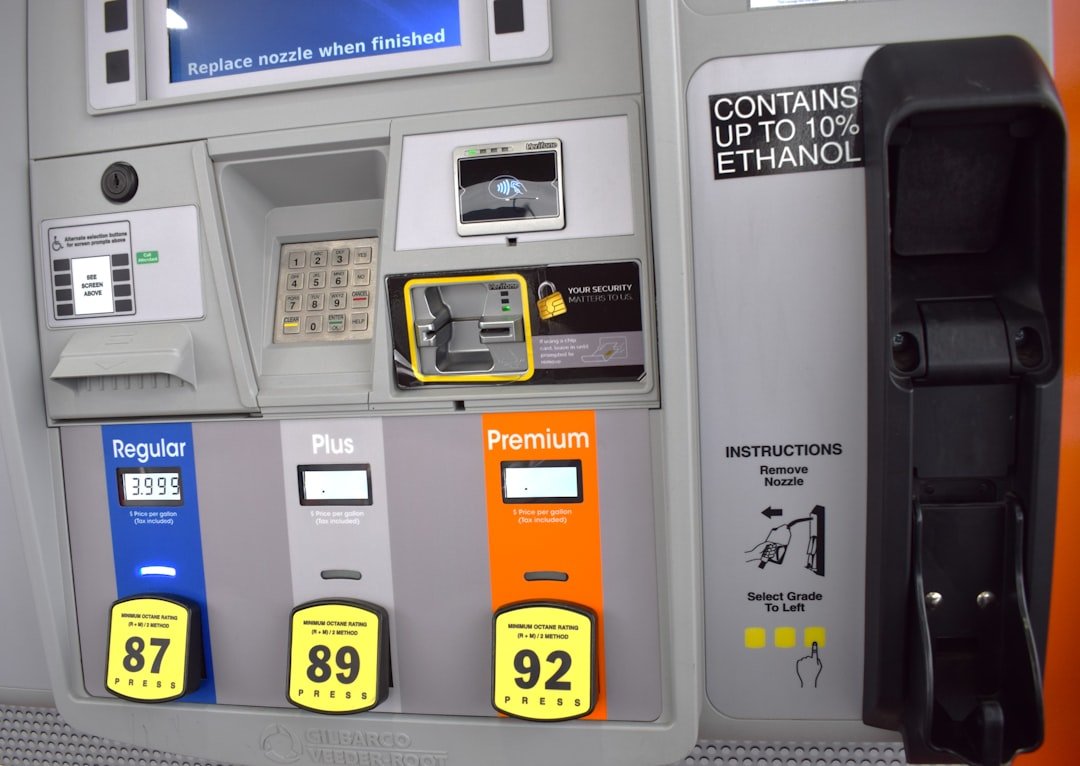
    A fuel pump label showing it contains up to 10% ethanol

    Ethanol Fuel and Pump Wear

    Ethanol-blended gasoline, common as E10 in most U.S. pumps and detailed by the Department of Energy’s Alternative Fuels Data Center, is more prone to attracting water than pure gasoline, which can lead to internal corrosion in a fuel system over time, and it also acts as a mild solvent that can create abrasive debris as it breaks down certain internal seals and coatings. This is a gradual, cumulative effect rather than something that causes sudden failure, but it’s part of why fuel pumps have a finite service life even under normal conditions.

    A car engine bay showing fuel delivery components

    In-Tank vs. Inline: Why Access Matters for Cost

    Most modern vehicles use an in-tank electric fuel pump, which means the fuel tank typically has to be dropped, or in some vehicles accessed through a panel under the rear seat, to reach it. This adds labor cost regardless of whether the part itself is used or new, which is worth factoring in when comparing quotes. Older vehicles and some diesel applications use an inline mechanical or electric pump mounted along the fuel line, which is often easier and cheaper to access. Knowing which type your vehicle uses helps set realistic expectations for the total repair cost, not just the part price.

    What to Check Before Buying a Used Fuel Pump

    • Confirm the exact fuel pump assembly matches your vehicle, since many are integrated with the fuel level sending unit and vary even within the same model year.
    • Ask whether the part was tested for pressure output, not just pulled and cataloged based on mileage.
    • Replace the fuel filter at the same time if your vehicle has a separate one, since a clogged filter can mimic pump failure symptoms and shorten a new pump’s life.
    • Ask about the donor vehicle’s fuel habits if possible — a pump from a vehicle that was rarely run low on fuel is a better bet than one with unknown history.

    Typical Costs: Used vs. New

    PartTypical Used PriceTypical New Price
    Fuel pump assembly (in-tank)$60–150$150–400
    Fuel filter (if separate)$10–25$20–50
    Reviewing an auto repair invoice

    Warranty Coverage

    Because a fuel pump is inside the tank and involves real labor to replace, a warranty backed by an actual pressure test result is worth more here than a generic guarantee. Look for at least a 30 to 90 day warranty and confirm what triggers a replacement.

    Where Englewood Used Auto Parts Fits In

    Every fuel pump we sell is tested for pressure output before it’s cataloged by make, model, and year, and backed by a warranty. Browse our used auto parts inventory or call ahead with your VIN to confirm current availability.

    Not sure how to confirm your VIN before ordering? Our VIN and vehicle compatibility guide covers exactly what to check. If the issue turns out to be electrical rather than fuel delivery, our alternator and starter guide covers how to tell the difference. And if your fuel gauge itself is acting up rather than the pump, our fuel tank and fuel system guide covers the sending unit and the rest of the system around the pump.

    Frequently Asked Questions

    Why does my car crank but not start?

    This often points to fuel not reaching the engine, which can mean a failed fuel pump, a blown fuse, or in some cases a failed ignition component. Listening for the pump’s priming hum when you turn the key to “on” is a quick first check.

    Does running my car low on gas damage the fuel pump?

    Yes, over time. Most in-tank pumps use surrounding fuel for cooling and lubrication, and frequently running low starves the pump of that effect, accelerating wear.

    Is ethanol gas bad for fuel pumps?

    Ethanol-blended fuel can contribute to gradual internal corrosion and wear compared to pure gasoline, though this is a long-term cumulative effect rather than a sudden failure cause.

    How is a fuel pump tested?

    A pressure gauge connected to the fuel system’s test port checks output against the manufacturer’s specification. Current draw can also be measured to check for a straining or seized motor.

    Do used fuel pumps come with a warranty?

    Reputable sellers typically offer 30 to 90 days, ideally backed by an actual pressure test result rather than just a visual inspection.

    Why is fuel pump replacement labor so expensive?

    Most modern vehicles use an in-tank pump that requires dropping the fuel tank or accessing it through a panel under the rear seat, both of which add labor time regardless of whether the part itself is used or new.

    Fuel Pump vs. Fuel Pump Relay

    Before replacing a fuel pump, it’s worth ruling out the fuel pump relay, a small, inexpensive electrical component that controls power to the pump. A failed relay produces symptoms nearly identical to a failed pump, including a car that cranks but won’t start, since the pump never receives power to begin with. Because relays are cheap and easy to swap, testing or replacing the relay first, before condemning the pump itself, can save a substantial amount of money and labor if the relay turns out to be the actual culprit.

    Could it be the fuel pump relay instead of the pump?

    Yes, and it’s worth checking first. A failed relay produces symptoms nearly identical to a failed pump, but relays are inexpensive and simple to test or swap compared to replacing the pump itself.

    Not sure which fuel pump fits your vehicle? Contact our parts counter with your year, make, and model, and we’ll confirm availability and condition before you buy.
  • Used AC Compressor Buying Guide: Diagnosis and Refrigerant Types

    Used AC Compressor Buying Guide: Diagnosis and Refrigerant Types

    A car AC compressor is one of those parts nobody thinks about until a Chicago summer afternoon makes it impossible to ignore. Unlike a lot of used parts, an AC compressor sits inside a sealed, pressurized system, which means buying used isn’t quite as simple as bolting one in and going — there’s refrigerant type, system compatibility, and a bit of physics to account for.

    This guide covers how to tell what’s actually wrong with your AC, what to check before buying a used compressor, and the refrigerant issue that trips up a lot of buyers.

    Heat haze rising along a summer roadside

    Diagnosing the Problem Before You Buy

    SymptomLikely CauseNotes
    Warm air only, compressor clutch never engagesLow refrigerant, failed clutch, or electrical faultLow refrigerant is often a leak, not just normal loss
    Air is cool but weakFailing compressor, clogged cabin filter, or blower motor issueCheck the cabin air filter first — it’s the cheapest fix
    Loud grinding or squealing when AC is onFailing compressor bearing or clutchUsually means the compressor itself needs replacement
    Oily residue near the compressor or fittingsRefrigerant leakRefrigerant oil leaking out means refrigerant is escaping too
    AC cycles on and off rapidlyLow refrigerant or a failing pressure switchA proper recharge and leak check will confirm which

    R134a vs. R1234yf: Why It Matters for a Used Compressor

    Vehicles built before roughly 2021 generally use R-134a refrigerant, while newer models have transitioned to R-1234yf, a refrigerant with a much lower environmental impact. The two aren’t interchangeable, and a compressor designed for one system generally isn’t compatible with the other due to different oil types, seals, and pressure characteristics. According to EPA’s mobile air conditioning program, R-1234yf servicing also requires specific certified equipment due to its mild flammability, which is worth knowing if you’re having a shop do the work rather than a straightforward swap.

    When buying a used compressor, confirm it came from a donor vehicle using the same refrigerant type as yours, not just the same make and model, since a mid-generation refrigerant transition can mean two vehicles that look identical use different systems.

    A car's air conditioning vent

    What to Check Before Buying a Used Compressor

    • Confirm the refrigerant type (R134a vs. R1234yf) matches your vehicle exactly.
    • Check the clutch and pulley by hand for smooth rotation without noise, looseness, or wobble.
    • Ask whether the compressor was pressure tested, not just visually inspected, since internal wear isn’t visible from the outside.
    • Confirm the compressor includes the correct amount and type of refrigerant oil, or ask what needs to be added during installation.
    • Have the AC system professionally evacuated, leak-checked, and recharged after installation — a used compressor installed into a system with an existing leak will fail again quickly.
    A car parked outdoors in summer heat

    Why an AC Compressor Failure Can Cascade

    When a compressor fails internally, it can send small metal particles from worn internal components circulating through the rest of the AC system, including the condenser, evaporator, and expansion valve or orifice tube. This is why a shop will often recommend flushing the system or replacing an inline filter/drier when installing a replacement compressor, especially if the old one failed with visible metal debris rather than just wearing out gradually. Skipping this step can mean a brand-new or freshly tested compressor fails again within weeks, contaminated by debris left over from the original failure.

    It’s worth asking a seller or installer specifically whether system flushing is recommended for your situation, since it adds a modest cost upfront but can prevent a much more expensive repeat failure.

    Typical Costs: Used vs. New

    OptionTypical Price RangeNotes
    Used compressor (tested)$80–200Price varies by refrigerant type and vehicle demand
    Remanufactured compressor$150–350Rebuilt to factory specs with new seals and clutch
    New compressor$300–700+Higher for R1234yf systems and luxury vehicles
    Professional recharge (after install)$150–300Includes evacuation, leak check, and refrigerant

    Warranty Coverage

    Because a failed compressor can contaminate the rest of the AC system with metal debris, warranty coverage on a used compressor matters more than it might seem. Look for at least a 30 to 90 day warranty, and ask whether the warranty covers just the compressor or extends to related components if a failure damages them.

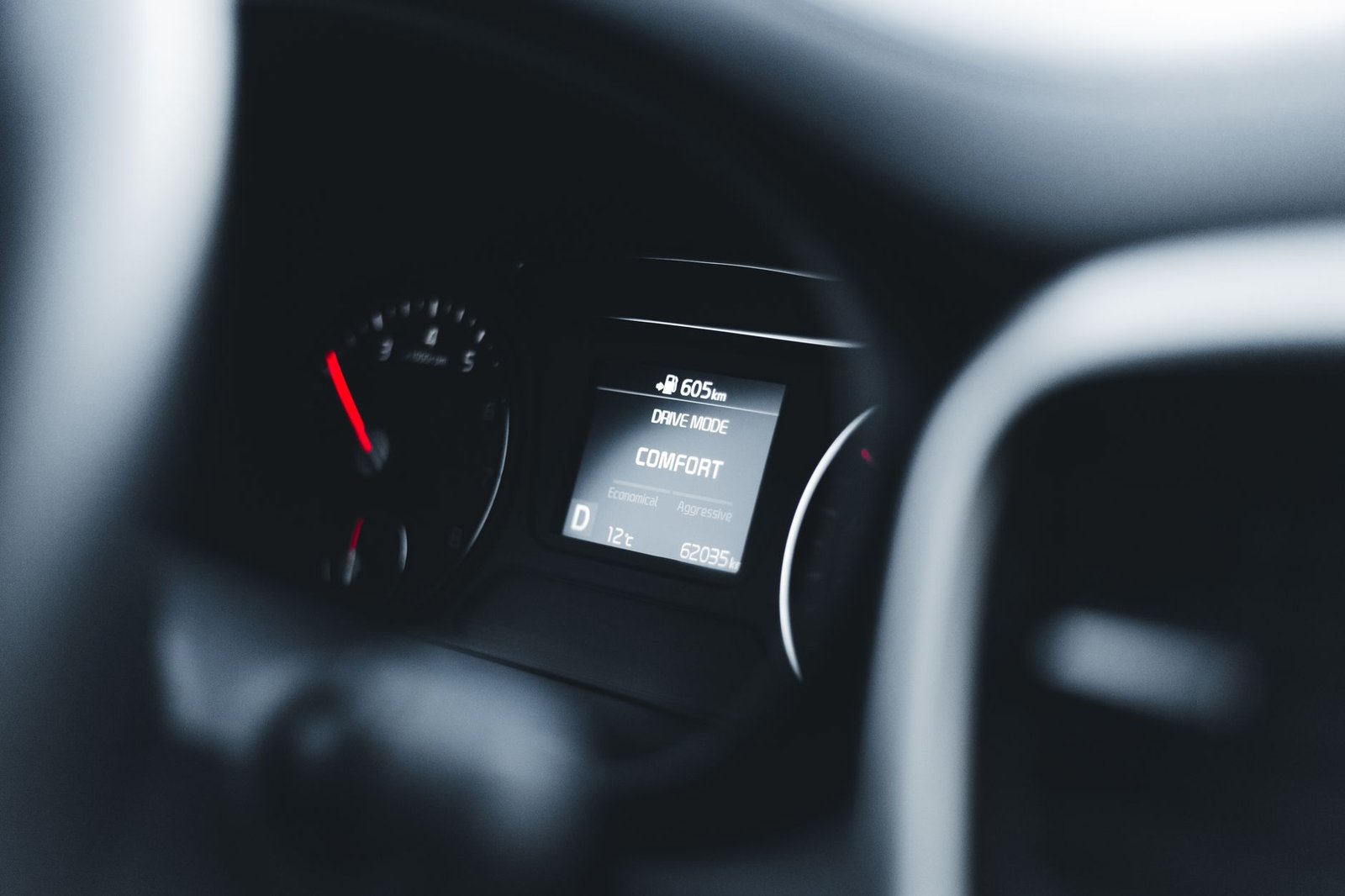
    A vehicle's dashboard display and drive mode settings

    Getting the Most Out of Your AC in Chicago Summers

    Once your AC is working properly, a few habits help it stay that way. Running the AC for a few minutes at least once a week, even in winter, keeps the compressor’s internal seals lubricated and can prevent them from drying out and leaking. Parking in shade or using a windshield sunshade reduces cabin heat buildup and eases the load on the whole system when you do turn the AC on. And having the system checked before the first genuinely hot week of the year, rather than after it stops working, gives you time to address a slow leak before it becomes a full compressor failure.

    Aerial view of rows of vehicles in a salvage yard

    Where Englewood Used Auto Parts Fits In

    Every AC compressor we sell is tested before it’s cataloged by make, model, and refrigerant type, and backed by a warranty. Browse our used auto parts inventory or call ahead with your VIN to confirm current availability.

    Not sure how to confirm your VIN before ordering? Our VIN and vehicle compatibility guide covers exactly what to check. If it’s specifically an electrical issue rather than the AC system, our alternator and starter guide covers how to tell the difference.

    Frequently Asked Questions

    Can I mix R134a and R1234yf in the same system?

    No. The two refrigerants use different oils and have different pressure characteristics, and mixing them can damage the system. Always confirm a used compressor matches your vehicle’s original refrigerant type.

    Why is my AC blowing warm air?

    The most common causes are low refrigerant (usually from a leak), a failed compressor clutch, or an electrical fault preventing the clutch from engaging. A shop can diagnose the specific cause in a short visit.

    Do I need a full recharge after installing a used compressor?

    Yes. The system should be professionally evacuated, leak-checked, and recharged with the correct refrigerant and oil amount after any compressor replacement, used or new.

    What does oily residue near the AC system mean?

    It usually indicates a refrigerant leak, since refrigerant oil escapes along with the refrigerant itself. This should be addressed before or during a compressor replacement, not left unresolved.

    Do used AC compressors come with a warranty?

    Reputable sellers typically offer 30 to 90 days. Ask whether it covers just the compressor or extends to related components if a failure causes further damage.

    Why did my new AC compressor fail again so quickly?

    This usually happens when metal debris from the original failed compressor wasn’t fully flushed from the rest of the system before the new one was installed. Flushing the system or replacing the inline filter/drier during installation helps prevent this.

    The AC is just one part of getting ready for hot weather. Our summer car care checklist covers batteries, tires, and belts too.

    Don’t Overlook the Cabin Air Filter

    A clogged cabin air filter restricts airflow through the AC system, making it feel weaker even when the compressor and refrigerant charge are both perfectly fine. This is one of the cheapest and most commonly overlooked causes of a car that seems to blow weak or musty-smelling air, and it’s worth ruling out before assuming a compressor issue, since a filter swap takes a few minutes and costs a fraction of a compressor diagnosis.

    Can a dirty cabin air filter make my AC seem weak?

    Yes. A clogged filter restricts airflow through the system, making the AC feel weaker even when the compressor and refrigerant charge are fine. It’s an inexpensive first check before assuming a compressor problem.

    Not sure which AC compressor fits your vehicle? Contact our parts counter with your year, make, and model, and we’ll confirm refrigerant type and availability before you buy.

  • Used Alternator & Starter Buying Guide: Diagnosis and Testing

    Used Alternator & Starter Buying Guide: Diagnosis and Testing

    A car that won’t start gets blamed on the battery more often than not, but the alternator and starter are just as often the real culprit. All three work together as a system: the starter cranks the engine, the alternator keeps the battery charged once it’s running, and the battery bridges the gap between the two. Telling them apart before you spend money on the wrong part is most of the battle.

    This guide covers how to tell a failing alternator from a failing starter, how each is typically tested, and what to check before buying a used one.

    An alternator visible in a car engine bay during service

    Alternator vs. Starter: Telling Them Apart

    SymptomLikely CulpritWhy
    Engine won’t crank at all, just a clickStarter (or dead battery)A single click usually means the solenoid is getting power but the motor isn’t turning
    Engine cranks slowly, then startsWeak battery or failing starterCompare against a known-good battery to isolate which
    Car starts fine but dies while driving, or battery light comes onAlternatorPoints to a charging system that can’t keep up once the engine is running
    Headlights dim at idle, brighten when revvedAlternatorClassic sign of an alternator not producing enough output at low RPM
    Battery keeps dying even though it’s been replacedAlternatorA good battery with nothing charging it will drain repeatedly

    How Alternators Are Tested

    With the engine off, a healthy battery reads around 12.4 to 12.7 volts. With the engine running, the alternator should be pushing that up to roughly 13.8 to 14.4 volts. A reading that stays flat at battery-only voltage with the engine running is a strong sign the alternator isn’t charging. Most parts stores will test an alternator for free if you bring it in, and a reputable used parts seller should be able to show you a bench test result before you buy.

    Starting a vehicle's ignition

    How Starters Are Tested

    A starter is usually bench tested by connecting it to a battery and confirming the pinion gear extends and spins the motor at a proper speed. Three outcomes are possible: it spins fast and strong (good), it spins slowly (a sign of internal wear or resistance), or nothing happens beyond a loud click (the motor itself has failed). A starter that works fine cold but fails once the engine is warm is a specific and recognized symptom of internal resistance building up as the component heats.

    Checking under the hood near the battery and charging system

    Belt-Driven vs. Direct-Drive: Why It Matters for Fitment

    Alternators are belt-driven on virtually every gas vehicle, connected to the engine via a serpentine or V-belt and pulley. Starters, by contrast, mount directly to the engine or transmission bell housing and engage the flywheel directly through a gear (the “bendix”). Because of this direct mechanical connection, a starter is generally more sensitive to exact engine and transmission pairing than an alternator, which mainly needs to match mounting points, pulley size, and electrical output. When buying either used, confirm the exact engine code and, for a starter, the transmission type as well, since manual and automatic transmissions sometimes use different starter mounting configurations even on the same engine.

    What to Check Before Buying a Used Alternator or Starter

    • Ask for the bench test result, not just a visual inspection. Both parts should be tested under load, not just spun by hand.
    • Confirm the exact amperage rating for an alternator, since higher-output aftermarket electronics or a vehicle with heavy accessory use may need a higher rating than the original spec.
    • Check the pulley on an alternator for smooth rotation without noise or excessive play in the bearing.
    • Match the part number or confirm compatibility via your VIN rather than assuming visual similarity means it will fit.

    Typical Costs: Used vs. New

    PartTypical Used PriceTypical New/Remanufactured Price
    Alternator$40–100$150–350
    Starter$40–100$120–300

    Warranty Coverage

    Because both parts are tested with specialized equipment rather than just inspected visually, a warranty backed by an actual bench test result is worth more here than a generic guarantee. Look for at least a 30 to 90 day warranty and ask specifically what triggers a replacement or refund.

    Jumper cables connected to a car battery terminal

    Electrical Systems Are More Standardized Than You’d Think

    Modern vehicle electrical systems follow standards developed and maintained by organizations like SAE International, which is part of why a properly tested alternator or starter from one donor vehicle can be a confident, predictable fit for a compatible vehicle rather than a gamble. It’s also why mismatched amperage or voltage output, not just physical fit, matters when confirming compatibility.

    Aerial view of rows of vehicles in a salvage yard

    Where Englewood Used Auto Parts Fits In

    Every alternator and starter we sell is bench tested before it’s cataloged, and backed by a warranty. Browse our used auto parts inventory or call ahead with your VIN to confirm current availability.

    Not sure how to confirm your VIN before ordering? Our VIN and vehicle compatibility guide covers exactly what to check. If the battery itself might be the issue, our battery buying guide covers CCA ratings and testing in more depth. And if you’ve shopped for a remanufactured alternator or starter elsewhere and noticed an extra deposit on the receipt, our core charges guide explains what that fee is and how to get it back.

    Frequently Asked Questions

    How can I tell if it’s my battery, alternator, or starter?

    A single click with no cranking usually points to the starter or a dead battery. Dimming headlights that brighten when you rev the engine, or a battery that keeps dying even after replacement, point to the alternator. A shop can isolate the exact cause in a few minutes with a multimeter.

    Can I test a used alternator before installing it?

    Yes, and you should ask the seller for a bench test result showing charging voltage under load, not just a visual inspection. Most parts stores can also test it for free once it’s installed.

    Why does my starter work cold but fail when the engine is warm?

    This is a recognized symptom of internal resistance in an aging starter, often related to worn brushes or windings that only fully fail once heated. It usually means the starter is close to complete failure.

    What voltage should a healthy alternator produce?

    Roughly 13.8 to 14.4 volts with the engine running, compared to about 12.4 to 12.7 volts from the battery alone with the engine off.

    Do used alternators and starters come with a warranty?

    Reputable sellers typically offer 30 to 90 days, backed by an actual bench test result rather than just a visual inspection. Always confirm what’s covered before you buy.

    Does a starter need to match my transmission type?

    Often yes. Manual and automatic transmissions can use different starter mounting configurations even on the same engine, so confirm both the engine code and transmission type before buying a used starter.

    Electrical issue turned out fine but the AC still isn’t cold? Our AC compressor buying guide covers how to diagnose and fix that separately.

    Cranks but won’t start, and the electrical system checks out fine? Our fuel pump buying guide covers the symptoms and testing for fuel delivery issues.

    Don’t Forget the Serpentine Belt

    Since the alternator is belt-driven, a worn, glazed, or slipping serpentine belt can starve it of the rotational speed it needs to charge properly, producing symptoms that look identical to a failing alternator: dim headlights, a battery light, or a slowly dying battery. Before replacing a used alternator, it’s worth inspecting the belt for cracking, glazing, or visible slack, since a belt fix is far cheaper than an alternator replacement and won’t be solved by installing a new charging component.

    Can a bad serpentine belt mimic alternator problems?

    Yes. A worn or slipping belt can prevent the alternator from spinning fast enough to charge properly, producing symptoms like dim headlights or a dying battery that look identical to alternator failure.

    Not sure whether you need an alternator, starter, or battery? Contact our parts counter with your year, make, and model, and we’ll help you figure out which one is the actual problem.

  • Used Jeep Parts Guide: Death Wobble and Other Trouble Spots

    Used Jeep Parts Guide: Death Wobble and Other Trouble Spots

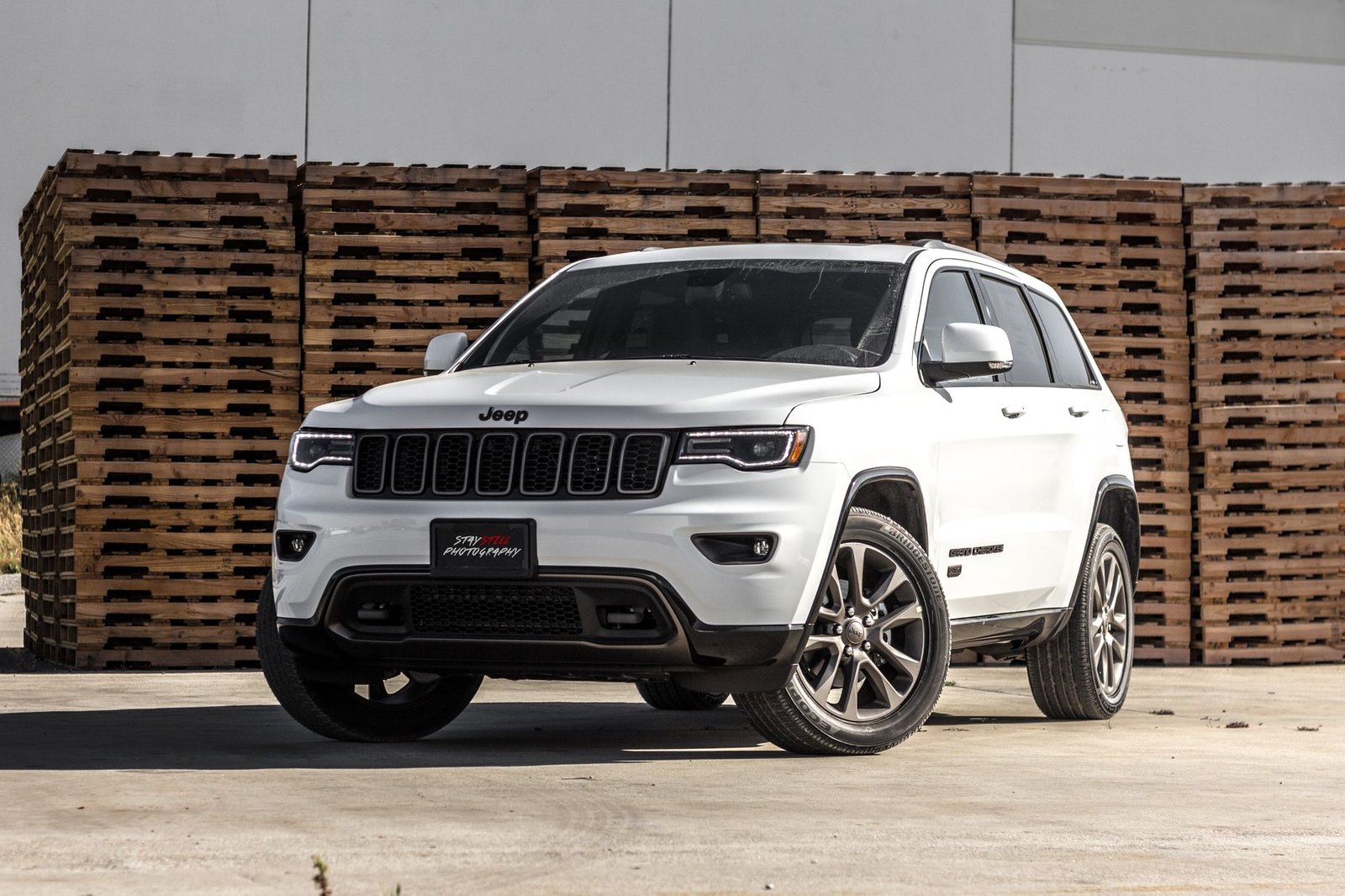
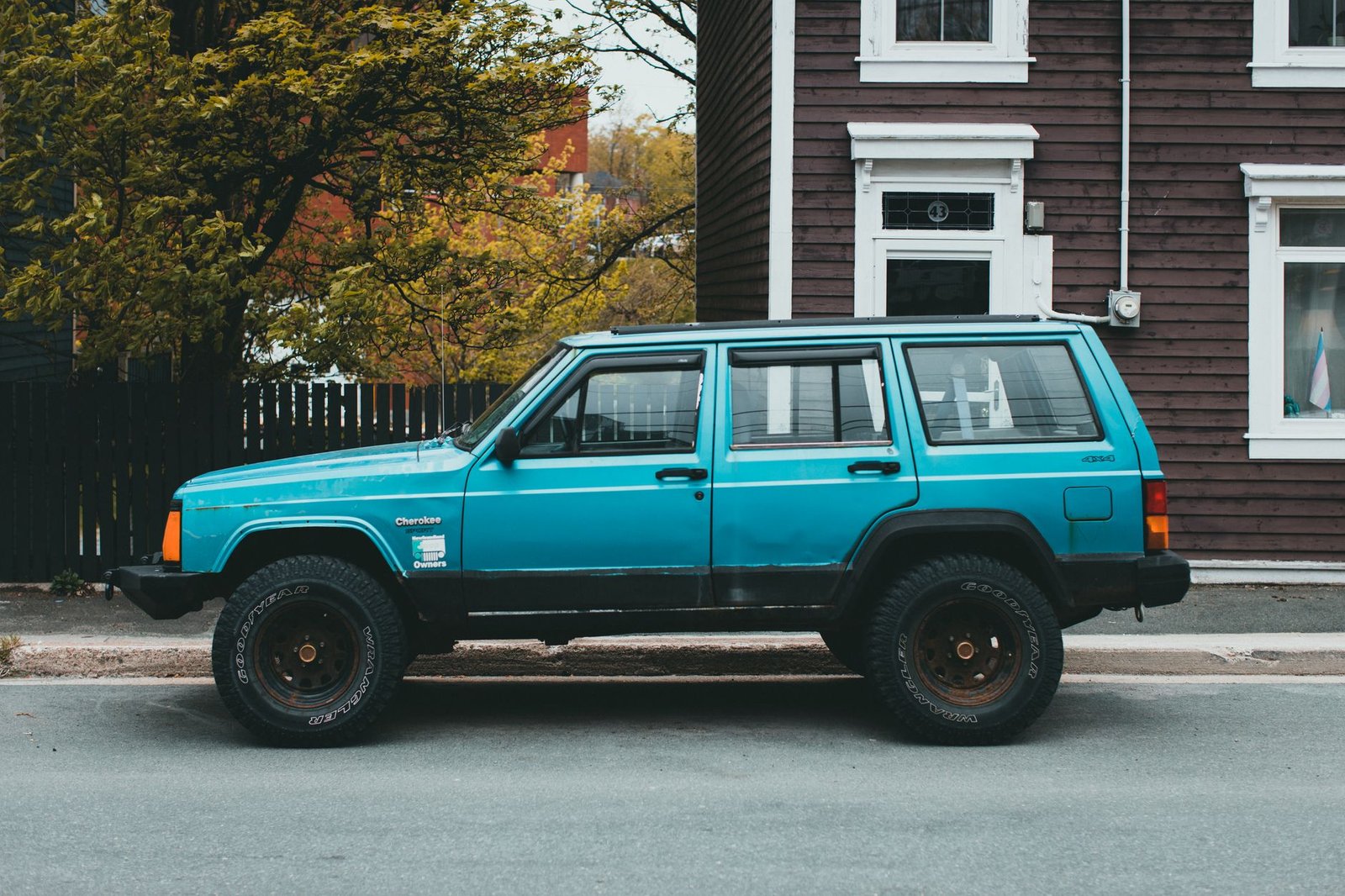
    Jeep owners are some of the most loyal in the industry, and the Wrangler, Grand Cherokee, and Cherokee are staples on Chicago-area roads year-round. Jeeps also have a few well-documented quirks specific to the brand, most notably “death wobble,” a term nearly every Jeep owner eventually hears about even if they never experience it themselves.

    This guide covers the Jeep models we see most often, the systems with known issues, and what to check before you buy a used part for one.

    Common Jeep Models We Stock Parts For

    ModelTypeNotes
    WranglerOff-road SUVSolid front axle design makes it especially prone to death wobble if front-end parts wear
    Grand CherokeeMidsize SUVLong production history; broad part availability across generations
    Cherokee (XJ / KL)Compact SUVThe XJ generation in particular has a large, loyal following and strong parts demand
    GladiatorMidsize pickupShares much of its front end and drivetrain with the Wrangler

    Known Trouble Spots by System

    SystemWhat to Watch ForAffected Models
    Front-end steering & suspension (“death wobble”)Sudden, violent shaking of the whole front end, usually triggered by a bump at highway speedWrangler especially, due to its solid front axle
    TIPM (Totally Integrated Power Module)Erratic electrical behavior: fuel pump relay issues, random warning lights, no-start conditionsWrangler and other Chrysler/Jeep models with this module
    4.0L inline-6 exhaust manifoldExhaust leaks and cracking manifolds over timeCherokee (1987–2001), Grand Cherokee (1993–2004), Wrangler (1991–2006)
    A Jeep Cherokee parked outdoors

    Death Wobble: What It Is and What Causes It

    Death wobble is a sudden, violent shaking of the entire front end, most common at speeds above 45 mph and usually triggered by hitting a bump or pothole. It’s most associated with the Wrangler because of its solid front axle design, though it can occur on other models too. The root cause is almost always looseness or wear in one or more front-end components: the track bar, tie rod ends, ball joints, control arm bushings, wheel bearings, or steering linkage, often combined with a trigger like an imbalanced tire or low tire pressure.

    According to NHTSA, despite how alarming it feels, death wobble has not been associated with fatal accidents. That doesn’t make it any less worth addressing quickly, since a worn part that triggers it once will keep triggering it until replaced. If you’re buying used front-end parts for a Wrangler, ask directly whether the donor vehicle showed any signs of this before the parts were pulled.

    DIY repair work on a vehicle's front end

    The TIPM Electrical Issue

    The Totally Integrated Power Module, or TIPM, is a computerized fuse and relay box used on Wrangler and other Chrysler/Jeep models that consolidates functions traditionally handled by separate relays. When it develops problems, symptoms can be genuinely confusing: a fuel pump that won’t engage, random warning lights that come and go, wipers or lights that activate on their own, or a vehicle that simply won’t start despite a good battery. Because the symptoms are electrical and often intermittent, this issue gets misdiagnosed more than most, sometimes leading to unnecessary parts being replaced before the TIPM itself is identified as the cause.

    If you’re chasing an electrical gremlin on an affected Jeep, it’s worth having a shop specifically check the TIPM before replacing other components on a guess.

    An inline-six engine block closeup

    The 4.0L Inline-6: A Reliable Engine With One Common Weak Point

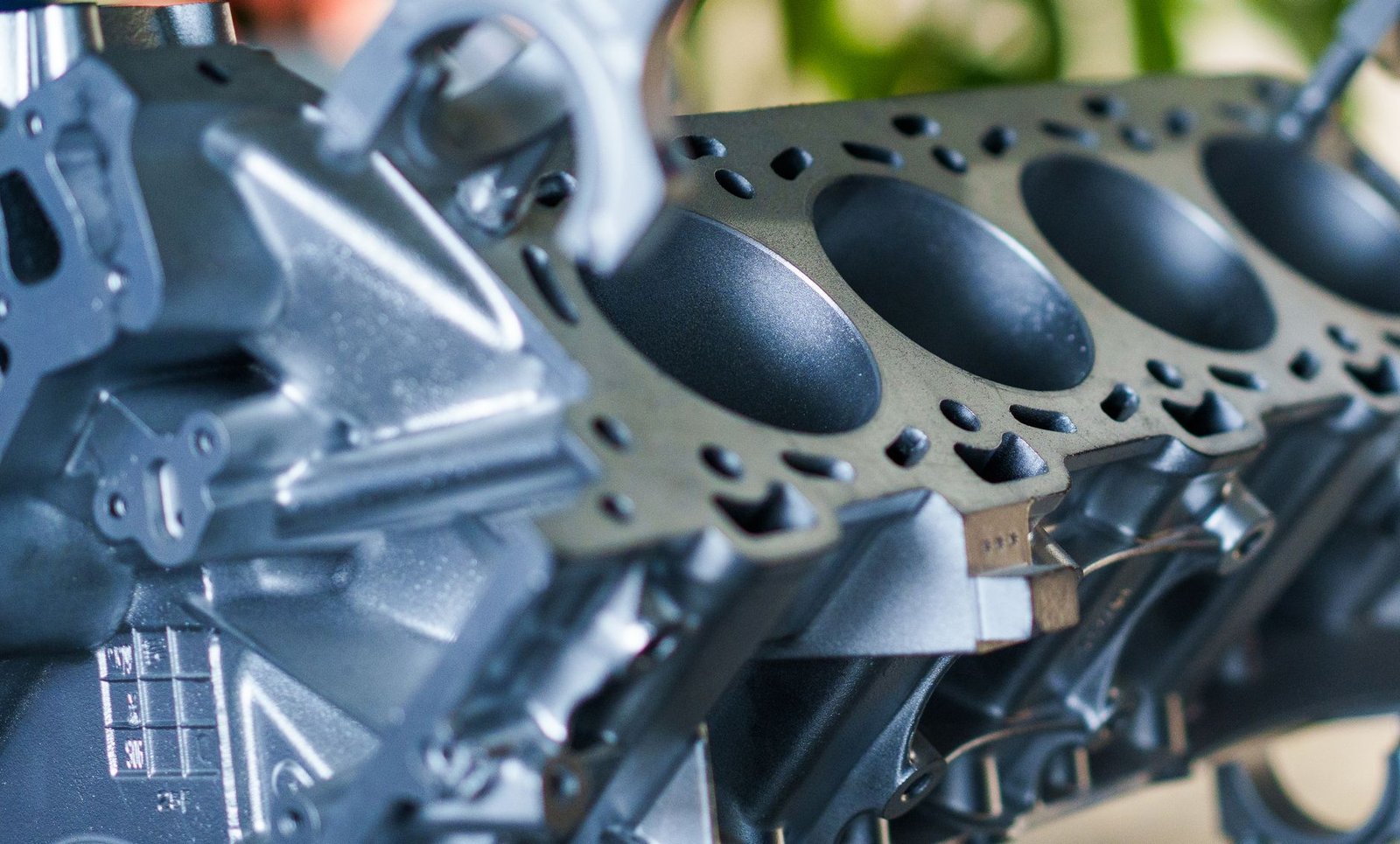
    The 4.0L inline-6, used across the Cherokee, Grand Cherokee, and Wrangler for years, has a strong reputation for durability and is often cited as one of Jeep’s most dependable engines. Its main documented weak point is the exhaust manifold, which is prone to cracking and developing leaks over time due to how it’s mounted and the heat cycling it goes through. An exhaust leak from this engine is common enough that it shouldn’t be treated as a red flag on its own, but it is worth factoring into your budget if you’re buying a used 4.0L or a vehicle built around one.

    A Jeep Wrangler parked on a mountain trail

    What to Ask Before Buying a Used Jeep Part

    • Confirm the exact trim, engine, and axle configuration, since Jeep used multiple setups within the same model and year.
    • For front-end parts on a Wrangler, ask specifically about death wobble symptoms in the donor vehicle.
    • For electrical issues, ask whether the donor vehicle had any TIPM-related complaints, since these can be intermittent and easy to misdiagnose.
    • Ask whether the part was tested, not just pulled and cataloged based on mileage alone.

    Typical Costs: Used vs. New

    PartTypical Used PriceTypical New/Dealer Price
    Track bar$25–60$80–180
    Tie rod end (each)$15–35$40–90
    TIPM (fuse/relay module)$80–180$300–600
    Exhaust manifold$40–100$150–350

    Warranty Coverage

    Given how safety-relevant front-end components are on a Wrangler, warranty coverage matters even more than usual here. Look for at least a 30 to 90 day warranty, and ask specifically whether the part was tested for play or wear before it was cataloged, not just visually inspected.

    Where Englewood Used Auto Parts Fits In

    We stock a wide range of used Jeep parts, inspected and tested before they’re cataloged by model, year, and trim, and backed by a warranty. Browse our used auto parts inventory or call ahead with your VIN to confirm current availability.

    Not sure how to confirm your VIN before ordering? Our VIN and vehicle compatibility guide covers exactly what to check. If you suspect a front-end issue specifically, our suspension parts guide covers the inspection checklist in more depth.

    Frequently Asked Questions

    What is Jeep death wobble?

    It’s a sudden, violent shaking of the entire front end, usually triggered by a bump at highway speed above 45 mph. It’s caused by looseness or wear in front-end steering and suspension components, most often on the Wrangler due to its solid front axle.

    Is death wobble dangerous?

    It’s alarming, but NHTSA has not associated it with fatal accidents. Still, a vehicle that has experienced it once will likely experience it again until the worn component causing it is identified and replaced.

    What is the TIPM issue on Jeeps?

    The Totally Integrated Power Module can develop erratic behavior, including fuel pump relay problems, random warning lights, or no-start conditions. It’s a known weak point on some Wrangler and other Chrysler/Jeep models.

    How do I know if a used Jeep part will fit my vehicle?

    Match the exact trim, engine, and axle configuration, not just the model year, since Jeep used multiple setups within the same generation. Cross-reference your VIN against the seller’s inventory.

    Do used Jeep parts come with a warranty?

    Reputable sellers typically offer 30 to 90 days. For front-end and steering components specifically, confirm the part was tested for play or wear, not just visually inspected.

    Is the 4.0L inline-6 a reliable engine?

    Yes, it has a strong reputation for durability across the Cherokee, Grand Cherokee, and Wrangler. Its main documented weak point is the exhaust manifold, which is prone to cracking and developing leaks over time.

    An off-road tire on dirt terrain

    Wrangler Generations: Why the Exact Year Matters

    The Wrangler has gone through several distinct generations (YJ, TJ, JK, and JL, among others), and parts often don’t carry over cleanly between them even though the vehicle is recognizably the same model. Suspension geometry, axle width, and even body mounting points can differ enough between generations that a part from a JK Wrangler won’t necessarily bolt onto a JL, despite looking similar in photos. Always confirm the specific generation, not just the model name, when sourcing a used part, especially for suspension, axle, and body components.

    Do parts interchange between different Wrangler generations?

    Not always. Suspension geometry, axle width, and mounting points can differ between generations like the TJ, JK, and JL, even though the vehicles look similar. Always confirm the specific generation, not just the model name.

    Not sure which part fits your Jeep? Contact our parts counter with your year, make, model, and trim, and we’ll confirm availability and condition before you buy.
  • Used Chevrolet & GM Parts Guide: Common Models and Trouble Spots

    Used Chevrolet & GM Parts Guide: Common Models and Trouble Spots

    Chevrolet and its sibling GM brands make up a huge share of vehicles on U.S. roads, from the Silverado (consistently one of the best-selling trucks in the country) to the Equinox, Malibu, and Cruze. That kind of volume means used Chevy and GM parts are always in demand, and it also means specific, well-documented failure patterns to watch for depending on the model and model year.

    This guide covers the Chevrolet and GM models we see most often, the systems with known issues, and what to check before you buy a used part for one.

    A Chevrolet SUV parked outdoors

    Common Chevrolet & GM Models We Stock Parts For

    ModelTypeNotes
    SilveradoFull-size pickupOne of the best-selling trucks in the U.S.; parts are widely available
    EquinoxCompact SUVConsistently a top-selling Chevy model
    MalibuMidsize sedanLong production history across several generations
    CruzeCompact sedanCommon commuter car; strong used parts demand
    TraverseMidsize SUVPopular family SUV; suspension and brake parts commonly requested
    Tahoe / SuburbanFull-size SUVShares many drivetrain components with the Silverado

    Known Trouble Spots by System

    SystemWhat to Watch ForAffected Models
    Automatic transmission (“Chevy Shake”)Shuddering or shaking sensation during gear changesSeveral models, 2015–2018
    5.3L Vortec V8 engineRough running, misfires, excessive oil consumption approaching 90,000–100,000 milesSilverado, Tahoe, Suburban
    Intake manifold / cooling systemCoolant leaks from plastic intake manifolds or failing water pumpsVarious V6 and V8 engines
    Electrical systemErratic power windows, faulty door locks, unexplained battery drainCommon across multiple models and years
    A Chevrolet sedan parked outdoors

    The “Chevy Shake”: What Buyers Should Know

    A documented shuddering or shaking sensation during gear changes, sometimes called the “Chevy Shake,” has been reported on several models from around 2015 to 2018. It’s typically tied to the automatic transmission’s torque converter clutch, and while not every affected vehicle develops the issue, it’s common enough that it’s worth asking directly about a donor vehicle’s shifting behavior before buying a used transmission part for these model years. Independent reliability data, such as Consumer Reports’ vehicle reliability ratings, can also help set expectations for a specific model year before you buy.

    Inspecting an engine coolant hose for leaks

    Cooling System and Intake Manifold Leaks

    Several GM V6 and V8 engines use a plastic intake manifold that can develop coolant leaks over time as the plastic ages and gaskets degrade, sometimes alongside a failing water pump. Left unaddressed, this can lead to overheating and more expensive engine damage. If you’re buying a used intake manifold or water pump, ask whether the donor vehicle’s cooling system was functioning properly, and consider replacing both components together if one has already failed, since they tend to wear on a similar timeline.

    What to Ask Before Buying a Used Chevy or GM Part

    • Confirm the exact trim, engine, and transmission code, since GM used multiple powertrain combinations within the same model and year.
    • For a 5.3L Vortec engine part, ask about oil consumption history in the donor vehicle, especially as mileage approaches 90,000 to 100,000.
    • For a transmission part from an affected model year, ask specifically about shifting behavior before the part was pulled.
    • For electrical components, ask whether the donor vehicle had any documented electrical complaints, since these issues can be intermittent and hard to diagnose after the fact.
    • Ask whether the part was tested, not just pulled and cataloged based on mileage alone.
    An open fuse box and relay panel under the hood

    Typical Costs: Used vs. New

    PartTypical Used PriceTypical New/Dealer Price
    Automatic transmission$600–1,500$3,000–5,500
    Intake manifold$50–150$200–450
    Water pump$30–80$100–250
    Alternator$40–100$150–350

    Warranty Coverage

    Given how documented some of these issues are, a warranty matters as much for a Chevy or GM part as for any other. Look for at least a 30 to 90 day warranty, longer for higher-cost components like a transmission, and ask what specifically triggers coverage versus what’s excluded.

    Shared Platforms Across GM Brands

    Chevrolet, GMC, Buick, and Cadillac share a significant amount of engineering under the GM umbrella, which means a part from a GMC Sierra can sometimes be a direct match for the same generation Silverado, or a Buick Enclave part can match a Chevy Traverse. This shared-platform approach expands the effective pool of donor vehicles for a given part, which is generally good news for used parts availability and pricing, but it also means confirming the exact part number or engine and trim code matters even more, since visually similar parts across sibling brands aren’t always interchangeable.

    OEM vs. Aftermarket for GM-Specific Systems

    For body panels, trim, and lighting, a quality aftermarket part is often fine on a Chevy or GM vehicle. For anything tied to the transmission control module or engine management, a genuine used OEM part is the safer route, since it’s guaranteed to match exactly what the vehicle’s computer expects. This matters especially on vehicles affected by the shudder issue, where transmission control module calibration is closely tied to the specific vehicle.

    An array of automotive fuses

    Where Englewood Used Auto Parts Fits In

    We stock a wide range of used Chevrolet and GM parts, inspected and tested before they’re cataloged by model, year, and trim, and backed by a warranty. Browse our used auto parts inventory or call ahead with your VIN to confirm current availability.

    Not sure how to confirm your VIN before ordering? Our VIN and vehicle compatibility guide covers exactly what to check. If you’re dealing with a transmission or engine issue specifically, our transmission guide and engine guide cover those in more depth.

    Frequently Asked Questions

    What is the “Chevy Shake” transmission issue?

    It’s a documented shuddering or shaking sensation during gear changes, reported on several Chevrolet and GM models from roughly 2015 to 2018. It’s typically tied to the automatic transmission’s torque converter clutch.

    Is the 5.3L Vortec engine reliable?

    Generally yes, but some units show rough running, misfires, or excessive oil consumption as mileage approaches 90,000 to 100,000 miles. It’s worth asking about oil consumption history on a used engine or related part from this engine family.

    Why does my Chevy have unexplained battery drain or electrical issues?

    Electrical issues, from erratic power windows to faulty door locks to battery drain, are among the more commonly reported problems across Chevrolet and GM models. These can be intermittent, so a proper diagnosis is worth doing before replacing a specific component.

    How do I know if a used Chevy or GM part will fit my vehicle?

    Match the specific engine and transmission code, not just the model year, since GM often used multiple powertrain combinations within the same generation. Cross-reference your VIN against the seller’s inventory.

    Do used Chevy and GM parts come with a warranty?

    Reputable sellers typically offer 30 to 90 days, with longer coverage sometimes available for higher-cost components like transmissions. Always confirm what’s covered before you buy.

    Why does my GM vehicle have a coolant leak from the intake manifold?

    Some GM V6 and V8 engines use a plastic intake manifold that can develop leaks as it ages, sometimes alongside a failing water pump. It’s worth replacing both together if one has already failed, since they tend to wear on a similar timeline.

    Not sure which part fits your Chevy or GM vehicle? Contact our parts counter with your year, make, model, and trim, and we’ll confirm availability and condition before you buy.
  • Used Ford Parts Guide: Common Models and Trouble Spots

    Used Ford Parts Guide: Common Models and Trouble Spots

    The Ford F-150 has been the best-selling vehicle in America for decades, and Ford’s broader lineup, from the Focus and Fiesta to the Escape and Explorer, makes up a huge share of what’s on the road. That popularity means used Ford parts are consistently in demand, and it also means there’s real, documented data on which components tend to fail and when.

    This guide covers the Ford models we see most often, the parts and systems with known issues, and what to check before you buy a used part for one.

    Common Ford Models We Stock Parts For

    ModelTypeNotes
    F-150Full-size pickupBest-selling vehicle in the U.S.; parts availability is excellent
    Focus / FiestaCompact car2011–2016 models have documented PowerShift transmission issues
    EscapeCompact SUVOne of the most common crossover SUVs on the road
    ExplorerMidsize SUVLong production history across several generations
    FusionMidsize sedanBroad part availability given high production volume
    EdgeMidsize crossoverGrowing used parts demand as more reach the used market

    Known Trouble Spots by System

    SystemWhat to Watch ForAffected Models
    PowerShift automatic transmissionRough shifting, delayed acceleration, jerkingFocus and Fiesta, 2011–2016
    Ignition coilsMisfires, rough idle, reduced fuel economy, check engine lightVarious 4-cylinder and V6 engines
    Fuel pump / fuel deliveryHard starting, hesitation, stalling, sudden power lossCommon across direct-injection engines
    Suspension and brakesAccelerated wear, especially on trucks and vans in fleet or heavy-duty useF-150, Transit, and other work-duty models
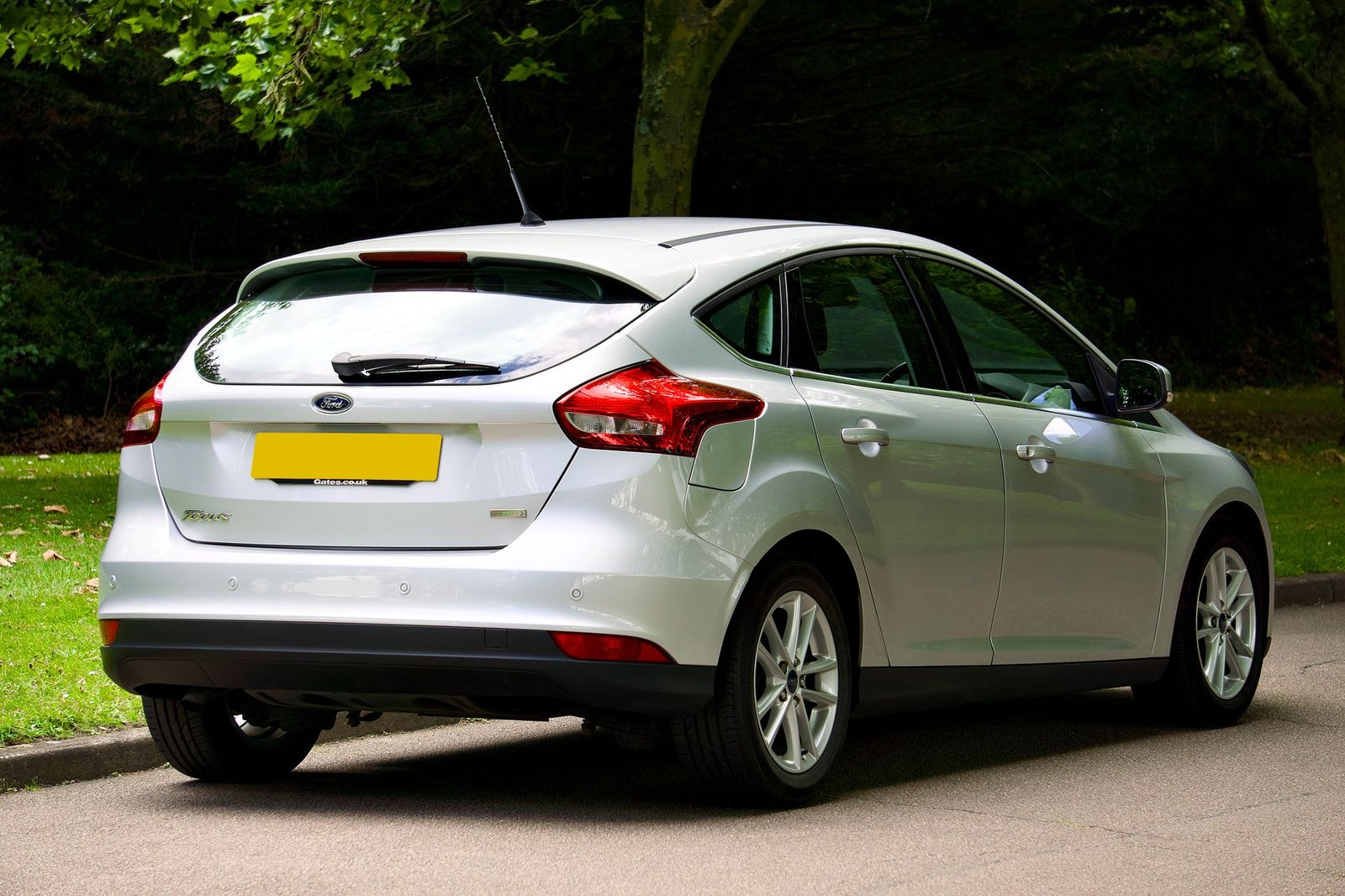
    A Ford Focus parked outdoors

    The PowerShift Transmission: What Buyers Should Know

    The dual-clutch PowerShift automatic used in the 2011–2016 Focus and Fiesta is one of the more widely documented issues in recent Ford history, generating enough owner complaints that it became the subject of significant scrutiny and even legal action. Symptoms include rough or delayed shifting, shuddering at low speeds, and premature clutch wear. You can search owner complaints for a specific model year directly through NHTSA’s complaint and recall database before buying a transmission part for one of these model years, and ask the seller specifically whether the donor vehicle showed any of these symptoms before the part was pulled.

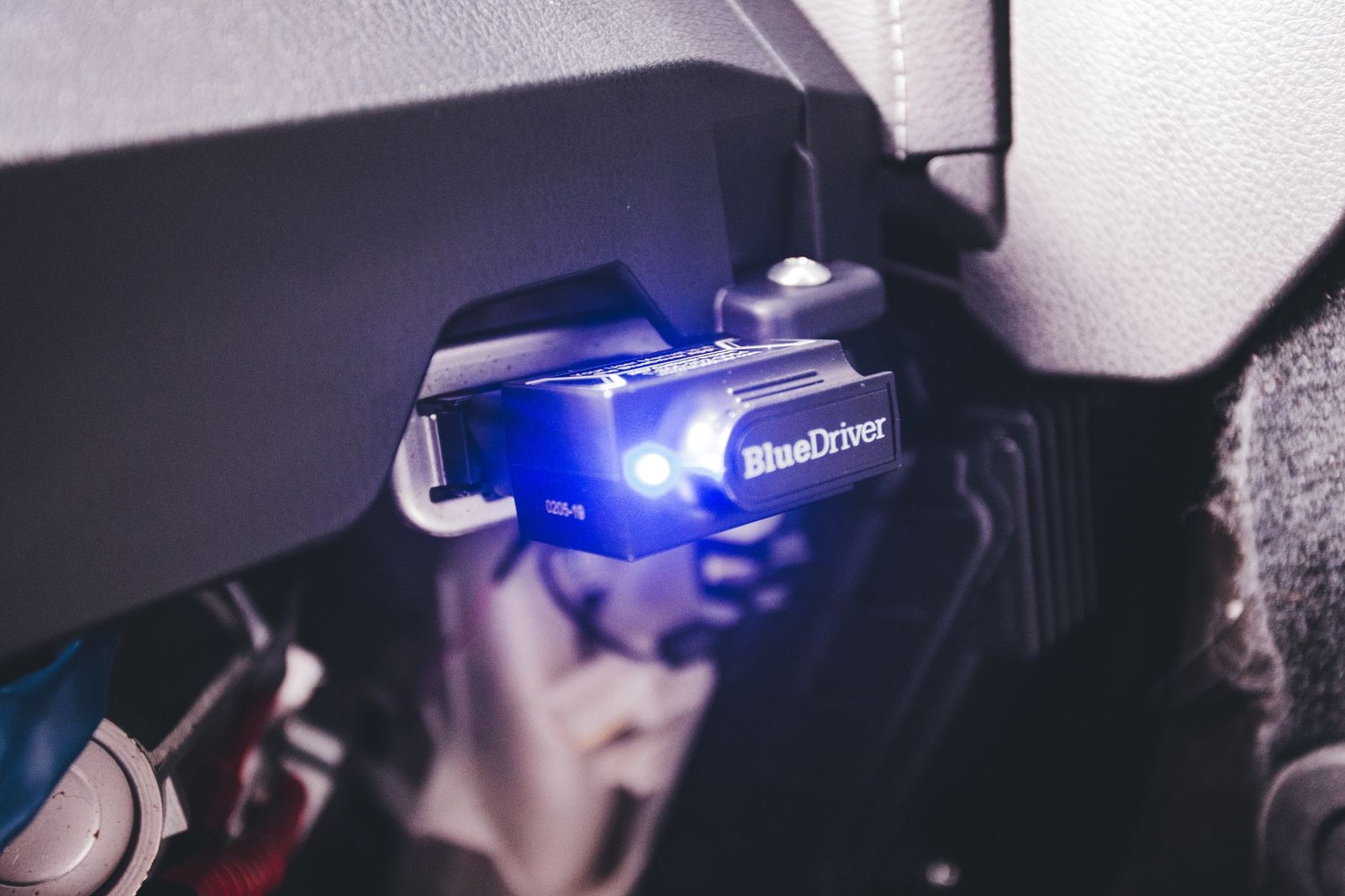
    An OBD diagnostic scanner plugged into a vehicle

    Fuel Delivery Issues on Direct-Injection Engines

    Several of Ford’s direct-injection engines have a documented pattern of fuel delivery complaints, most often tied to a failing in-tank fuel pump module or a high-pressure pump. Symptoms include hard starting, hesitation under load, stalling at idle, and sudden loss of power while driving. These symptoms can also point to a clogged fuel filter or a failing fuel pressure sensor, so a proper diagnosis matters before assuming the pump itself is the culprit and paying to replace it.

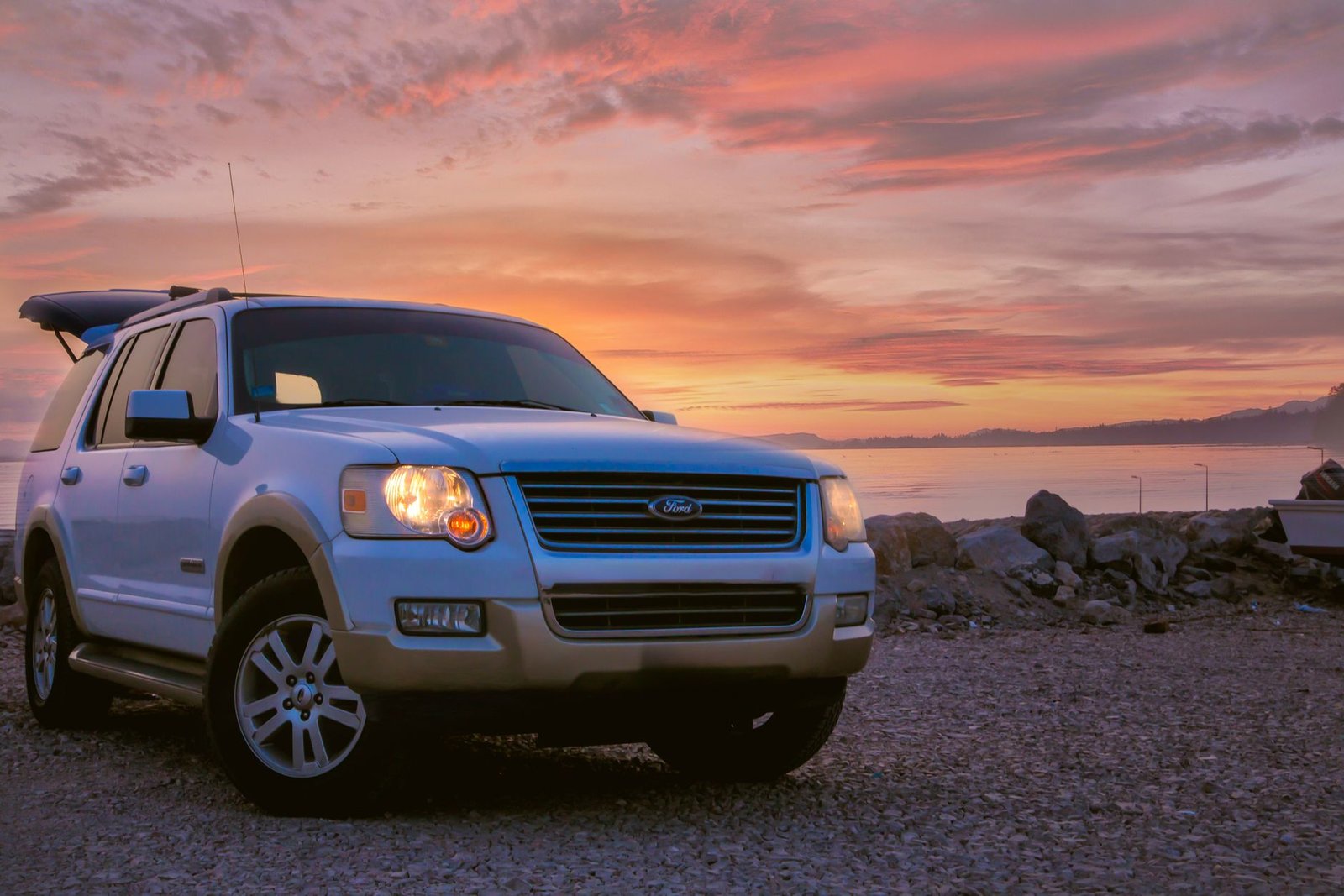
    A Ford SUV parked outdoors near water at sunset

    Fleet and Work-Duty Wear on Trucks and Vans

    F-150s and Transit vans that spent their life in fleet or commercial use often show more wear on suspension, brakes, and drivetrain components than their mileage alone would suggest, since these vehicles are frequently loaded heavier and driven harder than a typical personal vehicle. This isn’t necessarily a reason to avoid a part from this kind of donor vehicle, but it’s worth asking about the vehicle’s history and having the specific part tested rather than assuming good condition based on mileage.

    What to Ask Before Buying a Used Ford Part

    • Confirm the exact trim, engine, and transmission code, since Ford used multiple powertrain combinations within the same model and year.
    • For a Focus or Fiesta transmission part, ask about shifting behavior in the donor vehicle specifically, given how common PowerShift issues are.
    • For fuel system components, ask whether the donor vehicle had any hard-starting or stalling complaints.
    • Ask whether the part was tested, not just pulled and cataloged based on mileage alone.
    • For work trucks and vans, ask about the donor vehicle’s use case — a former fleet vehicle may have significantly more wear on suspension and brake components than mileage alone would suggest.
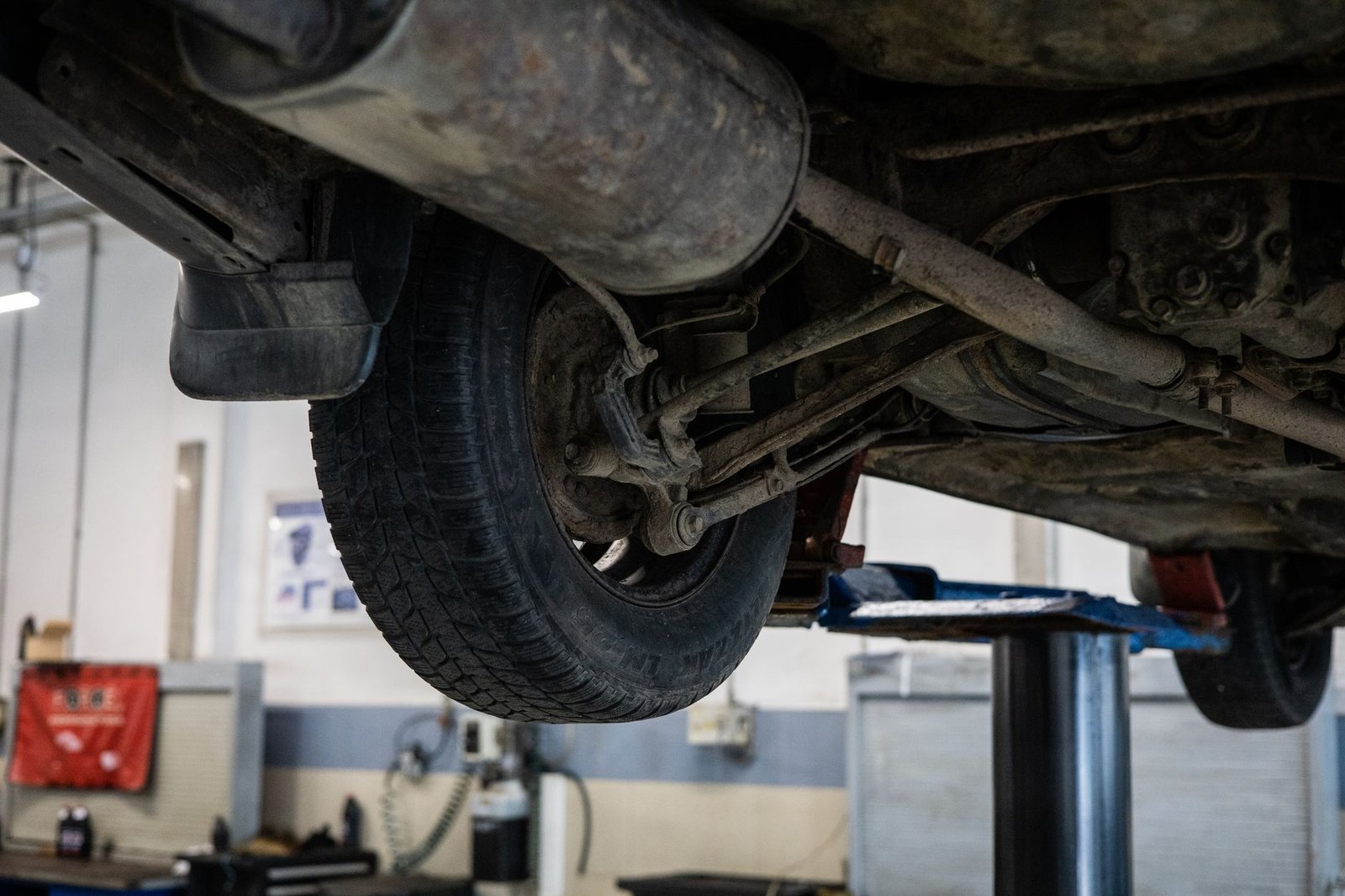
    A vehicle raised on a lift showing its underside

    Typical Costs: Used vs. New

    PartTypical Used PriceTypical New/Dealer Price
    Ignition coil$15–35$40–90
    Automatic transmission$600–1,500$3,000–5,500
    Fuel pump assembly$60–150$200–450
    Alternator$40–100$150–350

    Warranty Coverage

    Given how documented some Ford-specific issues are, warranty coverage matters even more here than usual. Look for at least a 30 to 90 day warranty, longer for higher-cost components like a transmission, and ask what specifically triggers coverage versus what’s excluded.

    OEM vs. Aftermarket for Ford-Specific Systems

    For body panels, trim, and lighting, a quality aftermarket part is often a reasonable choice on a Ford. For anything tied to the transmission control module, fuel delivery system, or engine management, a genuine used OEM part is the safer route, since it’s guaranteed to match exactly what the vehicle’s computer expects. This matters especially for the PowerShift transmission, where control module calibration is closely tied to a specific vehicle’s build, and for fuel system sensors, where a mismatched aftermarket part can trigger the same driveability symptoms as an actual failure.

    A mechanic inspecting a vehicle's engine under the hood

    Where Englewood Used Auto Parts Fits In

    We stock a wide range of used Ford parts, inspected and tested before they’re cataloged by model, year, and trim, and backed by a warranty. Browse our used auto parts inventory or call ahead with your VIN to confirm current availability.

    Not sure how to confirm your VIN before ordering? Our VIN and vehicle compatibility guide covers exactly what to check. If you’re dealing with a transmission or engine issue specifically, our transmission guide and engine guide cover those in more depth.

    Frequently Asked Questions

    Is the Ford PowerShift transmission still a problem on used Focus and Fiesta models?

    It’s specific to 2011–2016 models with the dual-clutch PowerShift automatic. Not every vehicle from these years develops issues, but it’s common enough that it’s worth asking the seller directly about the donor vehicle’s shifting behavior before buying a transmission part.

    Are Ford F-150s generally reliable?

    Yes, the F-150’s popularity and long production history mean parts are widely available and well understood. Fleet and heavy-duty use can accelerate wear on suspension and brake components, so it’s worth asking about the donor vehicle’s use case.

    What causes ignition coil failure on Ford engines?

    Heat cycling and age are the most common factors, leading to misfires, rough idle, and reduced fuel economy. It’s a relatively inexpensive part to replace and a common failure point across several Ford engine families.

    How do I know if a used Ford part will fit my vehicle?

    Match the specific engine and transmission code, not just the model year, since Ford often used multiple powertrain combinations within the same generation. Cross-reference your VIN against the seller’s inventory.

    Do used Ford parts come with a warranty?

    Reputable sellers typically offer 30 to 90 days, with longer coverage sometimes available for higher-cost components like transmissions. Always confirm what’s covered before you buy.

    Why does my Ford stall or hesitate under load?

    This is often tied to a failing fuel pump module or a clogged fuel filter on direct-injection engines. It can also be caused by a failing fuel pressure sensor, so a proper diagnosis is worth doing before replacing the pump itself.

    Not sure which part fits your Ford? Contact our parts counter with your year, make, model, and trim, and we’ll confirm availability and condition before you buy.

  • Catalytic Converter Replacement Guide: Costs, Theft Prevention, and What’s Legal

    Catalytic Converter Replacement Guide: Costs, Theft Prevention, and What’s Legal

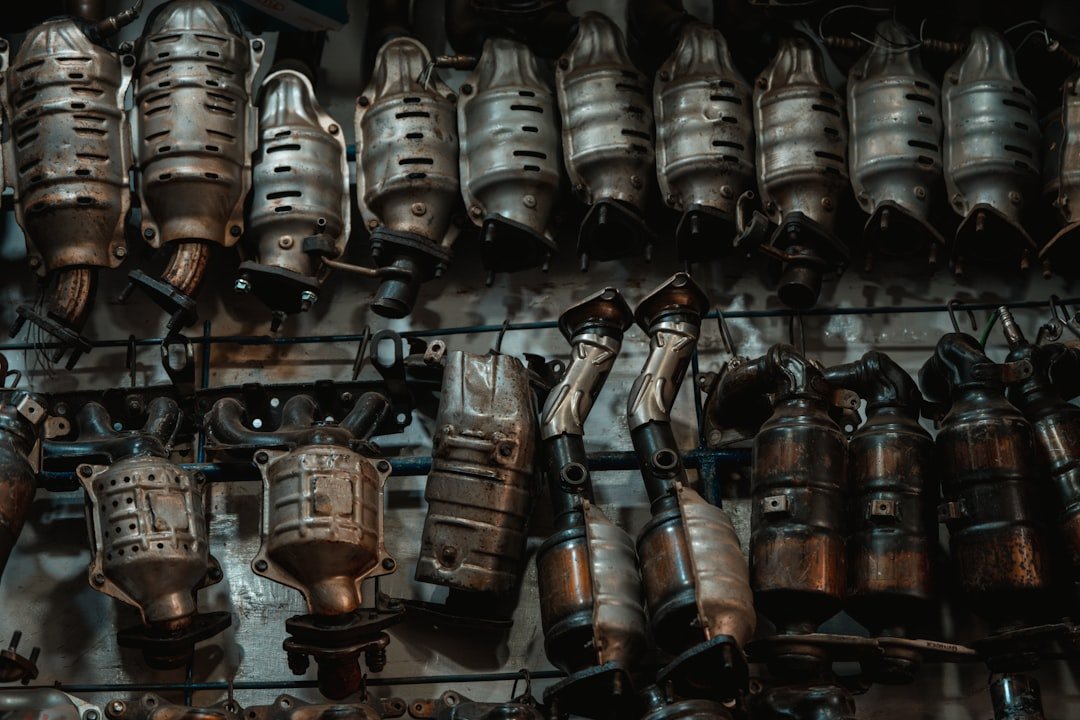
    Catalytic converters have become one of the most targeted parts on a vehicle, precisely because they contain small amounts of platinum, palladium, and rhodium — precious metals valuable enough that theft has surged over the past several years. If you’re dealing with a stolen converter, shopping for a replacement, or just trying to protect your vehicle, it helps to understand what makes this part valuable, what your legal replacement options actually are, and how to avoid becoming a target in the first place.

    Why Catalytic Converters Are a Theft Target

    The precious metals inside a catalytic converter give it real scrap value, generally in the $50 to $250 range through legitimate recyclers, though certain hybrid vehicles’ converters can be worth considerably more due to higher metal content. That value, combined with how quickly an experienced thief can remove one from underneath a vehicle, is why theft has become common enough that many insurers now specifically ask about it.

    Vehicles Commonly Targeted

    Vehicle TypeWhy It’s TargetedNotes
    Trucks and SUVsHigh ground clearance makes the converter easy to access quicklyCommon target due to speed of removal
    Hybrid vehiclesConverters contain a higher concentration of precious metalsCan carry significantly higher scrap value
    Older vehiclesOften have a single, easily accessed converter and less anti-theft hardwareLess deterrence than newer factory-protected models
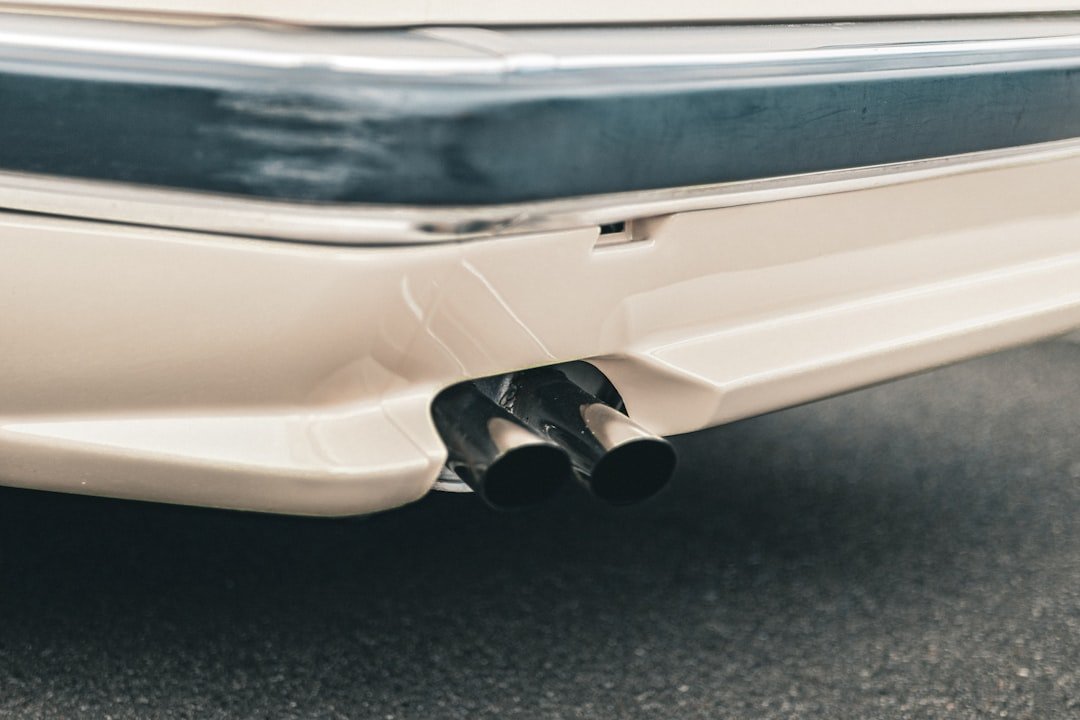
    The exhaust tailpipe of an ordinary sedan

    Protecting Your Vehicle from Theft

    • Park in a garage when possible, or in a well-lit area close to your home or a building entrance if a garage isn’t available.
    • Install an aftermarket anti-theft shield or cage over the converter, a relatively inexpensive deterrent that adds significant time and difficulty to a theft attempt.
    • Have your VIN or a unique identifier etched onto the converter itself, which makes a stolen unit harder to sell to a legitimate recycler and easier for police to trace back to your vehicle if recovered.
    • Consider a vehicle alarm calibrated to detect the vibration of a saw or wrench working on the undercarriage.
    • If you own a vehicle with a known higher theft rate for its converter, ask your insurer whether comprehensive coverage already includes this, and consider it a priority if you’re shopping for new coverage.

    None of these measures make a vehicle theft-proof, but each one adds time and difficulty for someone attempting a quick removal, and a thief working underneath a car is generally looking to minimize the time spent exposed. A visible anti-theft shield alone is often enough to send someone looking for an easier target elsewhere.

    A car parked in a driveway in the evening

    Signs Your Catalytic Converter Needs Attention

    SymptomLikely CauseNotes
    Loud, hollow exhaust note out of nowhereConverter removed (theft) or internal failureIf sudden, check underneath for a missing section immediately
    Check engine light with a P0420 or P0430 codeConverter efficiency below thresholdConfirm with a code reader before assuming the converter itself is at fault
    Reduced power or poor fuel economyClogged or failing converter restricting exhaust flowCan also indicate other issues; a proper diagnosis is worth the cost
    Rattling noise from underneathBroken internal honeycomb substrateUsually means replacement rather than repair

    A P0420 or similar code doesn’t always mean the converter itself has failed — a failing oxygen sensor or an exhaust leak upstream can trigger the same code. It’s worth having a shop confirm the actual cause before paying for a converter replacement that may not be needed.

    What’s Legal When It Comes to Replacement

    Federal rules under the Clean Air Act (40 CFR Part 85, Subpart V) govern the resale of catalytic converters, and they matter more here than for almost any other part on a vehicle. A used, genuine OEM converter pulled from a legitimately retired vehicle can generally be resold, but installers and sellers are required to ensure it meets original emissions performance, and some states layer on additional requirements beyond the federal baseline. You can review the federal framework directly at EPA.gov.

    This is exactly why documentation matters so much with this specific part. A reputable seller can tell you which vehicle a used converter came from, confirm it wasn’t reported stolen, and provide the same VIN-matched, tested-part paperwork they’d provide for any other component. If a seller can’t or won’t answer basic questions about where a converter came from, that’s a reason to walk away, not just a technicality.
    A mechanic working underneath a raised vehicle

    Replacement Options Compared

    OptionTypical CostNotes
    New OEM converter$1,200–2,500+Guaranteed to meet factory emissions specs; highest cost
    EPA-compliant aftermarket$200–600Must carry the correct EPA exemption for your vehicle and state
    Used OEM (documented, tested)$150–500Lower cost, but only from a seller who can verify sourcing and testing
    Inspecting the underside of a vehicle

    If Your Converter Was Stolen

    File a police report before doing anything else, since many insurers require one to process a comprehensive claim, and it also creates a record that helps if the part is ever recovered. Comprehensive auto insurance typically covers catalytic converter theft, though you’ll usually still owe your deductible. Get a shop estimate promptly, since driving with the converter removed is both loud and can trigger a check engine light or emissions test failure.
    Exhaust visible from a vehicle's tailpipe

    Where Englewood Used Auto Parts Fits In

    Every part we sell, including exhaust and emissions components, is documented back to the vehicle it came from and tested before it’s cataloged. Browse our used auto parts inventory or call ahead with your VIN to confirm current availability.

    Not sure how to confirm your VIN before ordering? Our VIN and vehicle compatibility guide covers exactly what to check. And if you’re inspecting other systems on a used vehicle, our engine guide and radiator guide cover what else is worth a close look. For mufflers, pipes, and the rest of the exhaust system, our exhaust and muffler parts guide covers fitment and what’s legal to change. A prolonged misfire is one of the more common causes of catalytic converter damage; our ignition coils and spark plugs guide covers how to catch that before it spreads. A loose or worn gas cap can trigger a similar check engine light through the EVAP system; our fuel tank and fuel system guide covers that simpler possibility first.

    Frequently Asked Questions

    Why are catalytic converters stolen so often?

    They contain platinum, palladium, and rhodium, precious metals valuable enough to give a removed converter real scrap value, and they can often be removed from underneath a vehicle in just a few minutes.

    Is it legal to buy a used catalytic converter?

    Yes, but only when it’s a genuine OEM unit from a legitimately retired vehicle, properly documented, and sold by someone who can verify where it came from. Federal Clean Air Act rules and state-level requirements both apply.

    Does insurance cover catalytic converter theft?

    Comprehensive auto insurance typically covers it, though you’ll usually still owe your deductible. A police report is generally required to file a claim.

    How can I protect my car from catalytic converter theft?

    Park in a garage or well-lit area when possible, install an aftermarket anti-theft shield, have your VIN etched onto the converter, and consider a vibration-sensitive alarm.

    Are hybrid vehicles more likely to be targeted?

    Yes. Hybrid vehicle converters often contain a higher concentration of precious metals, which can make them a more attractive target despite similar removal difficulty.

    What does a P0420 code mean?

    It indicates the catalytic converter’s efficiency has dropped below the threshold the vehicle’s computer expects. It doesn’t always mean the converter has failed outright — a failing oxygen sensor or an exhaust leak can trigger the same code, so a proper diagnosis is worth doing before replacing the part.

    Have questions about a documented, legally sourced replacement part? Contact our parts counter with your year, make, and model, and we’ll confirm availability and condition before you buy.