
Category: Buying Guides

  • Used Honda Parts Guide: Common Models and Trouble Spots

    Used Honda Parts Guide: Common Models and Trouble Spots

    Hondas have a well-earned reputation for lasting well past 200,000 miles with reasonable maintenance, which is exactly why there’s steady demand for used Honda parts — a lot of these vehicles are still on the road decades after they were built, and keeping them running rarely requires dealership prices.

    This guide covers the Honda models we see most often, the parts that tend to wear or fail in specific ways, and what to check before you buy a used part for one.

    Common Honda Models We Stock Parts For

    ModelTypeNotes
    CivicCompact sedan/hatchbackOne of the most common vehicles on the road; parts are plentiful
    AccordMidsize sedanLong production history means broad part availability across generations
    CR-VCompact SUVConsistently a top-selling SUV; strong used parts demand
    PilotMidsize SUVLarger family SUV; transmission and suspension parts commonly requested
    OdysseyMinivanHigh-mileage family use is common; transmission wear is a known issue
    FitSubcompact hatchbackKnown ignition coil issue on 2007–2016 models

    Known Trouble Spots by System

    SystemWhat to Watch ForAffected Models (Commonly Reported)
    Ignition coilsMisfires, rough idle, driveability issues starting around 50,000 milesFit (2007–2016), some Civic/Accord model years
    Automatic transmissionHarsh shifting, delayed engagement, premature wearOlder Accord, Odyssey, and Pilot (early 2000s–mid-2010s)
    Oil leaksValve cover gaskets and other seals are a frequent maintenance itemCommon across multiple models and model years
    1.5L turbo engine oil dilutionOil level rising due to unburned fuel mixing inCertain Civic and CR-V model years with the 1.5T engine
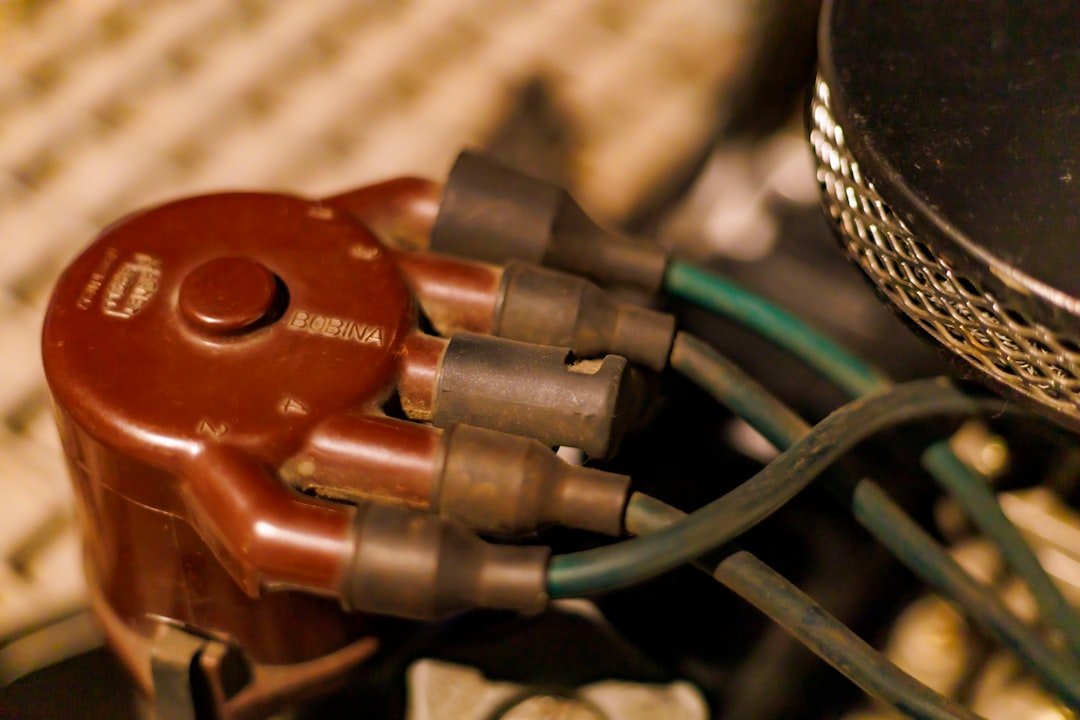
    An ignition component held for inspection

    Why Check for Open Recalls Before You Buy

    Beyond routine wear, it’s worth confirming whether the donor vehicle a used part came from was ever subject to a manufacturer recall relevant to that part. NHTSA’s recall lookup tool lets you search by VIN or by make and model to see open safety recalls, which can flag a known issue with a specific component before you spend money assuming it’s just normal wear.

    This matters most for known issues like the 1.5-liter turbo engine’s oil dilution problem, reported on certain Civic and CR-V model years. In these cases, unburned fuel can mix into the engine oil under certain driving conditions, causing the oil level to appear to rise rather than drop. It’s worth asking specifically whether a used 1.5T engine or related component came from a vehicle that had this issue addressed, since Honda has released software updates and guidance for affected model years.
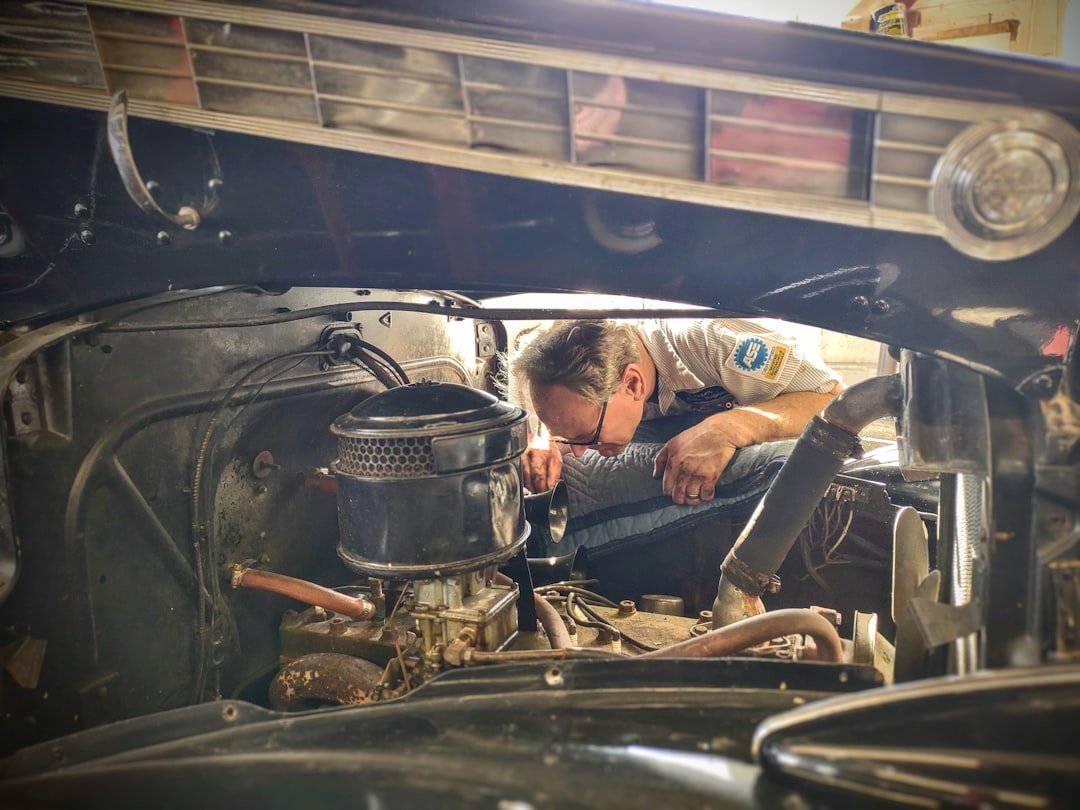
    Inspecting an engine for oil leaks

    What to Ask Before Buying a Used Honda Part

    • Confirm the exact trim and engine code, since Honda often used multiple engine and transmission combinations within the same model and year.
    • For transmission parts, ask about shifting behavior in the donor vehicle before the part was pulled — harsh or delayed shifts are a known issue on some models and years.
    • For ignition components, ask whether the donor vehicle was running well or had a driveability complaint, since coil issues are common enough to specifically ask about on affected models.
    • Ask whether the part was tested, not just pulled and cataloged based on mileage alone.
    • For a CR-V or Civic with the 1.5L turbo engine, ask about oil level history and whether any oil dilution service bulletin work was performed.
    • Check whether the donor vehicle’s maintenance kept pace with Honda’s recommended intervals, especially for timing components and transmission fluid changes, both of which affect how well a used part from that vehicle is likely to perform.
    Shelves of organized used auto parts

    Maintenance History Matters More Than Badge Loyalty

    Two Hondas of the same age and mileage can be in very different condition depending on how they were maintained. A vehicle with documented, regular transmission fluid changes is far less likely to have contributed a worn transmission part to a salvage yard’s inventory than one that never saw a fluid change in 150,000 miles. When a seller can speak to the maintenance history of the donor vehicle, that’s a good sign the parts pulled from it were properly evaluated rather than just assumed functional based on age.

    Typical Costs: Used vs. New

    PartTypical Used PriceTypical New/Dealer Price
    Ignition coil$15–35$40–90
    Automatic transmission$500–1,200$2,500–4,500
    Alternator$40–90$150–350
    Headlight assembly$50–150$150–450
    A Honda SUV parked outdoors

    Warranty Coverage

    Every used part carries risk if it isn’t tested, which is why a warranty matters as much for a Honda part as for any other. Look for at least a 30 to 90 day warranty, longer for higher-cost components like a transmission, and ask specifically what triggers coverage versus what’s excluded.

    OEM vs. Aftermarket: Why It Matters More on Certain Parts

    For body panels, trim, and lighting, a quality aftermarket part can be a perfectly reasonable choice. For anything tied to engine management, transmission control, or safety systems, a genuine used OEM Honda part is generally the safer bet, since it’s guaranteed to match the exact specifications the vehicle’s computer expects. This is particularly true for sensors and modules, where an aftermarket substitute can sometimes trigger check engine lights or subtle driveability issues that are hard to trace back to the part itself.
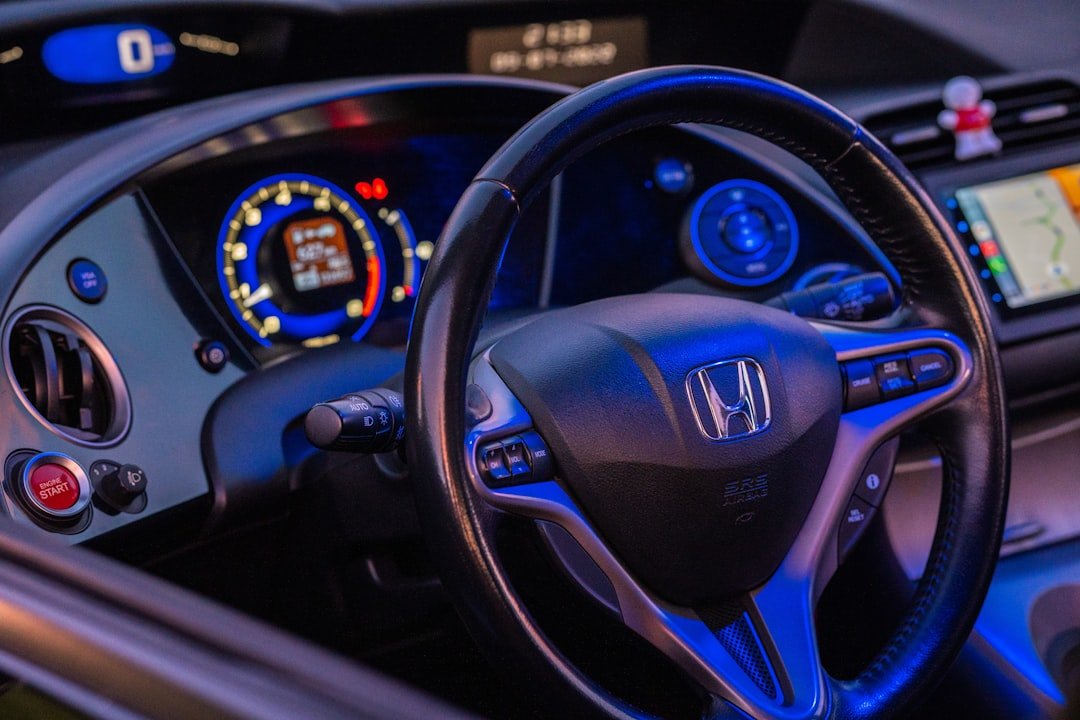
    The interior dashboard of a Honda vehicle

    Where Englewood Used Auto Parts Fits In

    We stock a wide range of used Honda parts, inspected and tested before they’re cataloged by model, year, and trim, and backed by a warranty. Browse our used auto parts inventory or call ahead with your VIN to confirm current availability.

    Not sure how to confirm your VIN before ordering? Our VIN and vehicle compatibility guide covers exactly what to check. If you’re dealing with a transmission or engine issue specifically, our transmission guide and engine guide cover those in more depth.

    Frequently Asked Questions

    Are Hondas generally reliable?

    Yes. Hondas have a strong reputation for longevity, often exceeding 200,000 miles with regular maintenance. That said, specific models and model years have documented issues worth knowing about before you buy parts or a vehicle.

    What’s the ignition coil issue with the Honda Fit?

    Some Honda Fit models from 2007 to 2016 have a well-documented tendency toward ignition coil failure, often showing up as driveability issues starting around 50,000 miles. It’s a relatively inexpensive part to replace.

    Which Honda models have known transmission issues?

    Older Accords, Odysseys, and Pilots, particularly from the early 2000s through the mid-2010s, have more commonly reported automatic transmission problems like harsh shifting or delayed engagement.

    How do I check if a used Honda part had a recall?

    Use NHTSA’s recall lookup tool at nhtsa.gov/recalls, searching by VIN or by make, model, and year to see any open safety recalls tied to that vehicle.

    Do used Honda parts come with a warranty?

    Reputable sellers typically offer 30 to 90 days, with longer coverage sometimes available for higher-cost components like transmissions. Always confirm what’s covered before you buy.

    What is the 1.5L turbo oil dilution issue?

    On certain Civic and CR-V model years with the 1.5-liter turbo engine, unburned fuel can mix into the engine oil under specific driving conditions, causing the oil level to appear to rise. Honda has issued guidance and software updates for affected vehicles, so it’s worth asking whether this was addressed on a used engine or related part from these models.

    Not sure which part fits your Honda? Contact our parts counter with your year, make, model, and trim, and we’ll confirm availability and condition before you buy.
  • Used Engine Buying Guide: Mileage, Inspection, and Cost

    Used Engine Buying Guide: Mileage, Inspection, and Cost

    A used engine is the single biggest purchase most people make at a salvage yard, and it’s also the one where a mistake is hardest to walk back. Unlike a headlight or a control arm, you can’t always tell whether an engine is sound just by looking at it — you need to know what to check, what the answers actually mean, and what a fair price looks like once you’ve confirmed the engine is good.

    This guide covers mileage expectations, the physical inspection points that matter most, what a compression test can and can’t tell you, and how to confirm fitment before you buy.

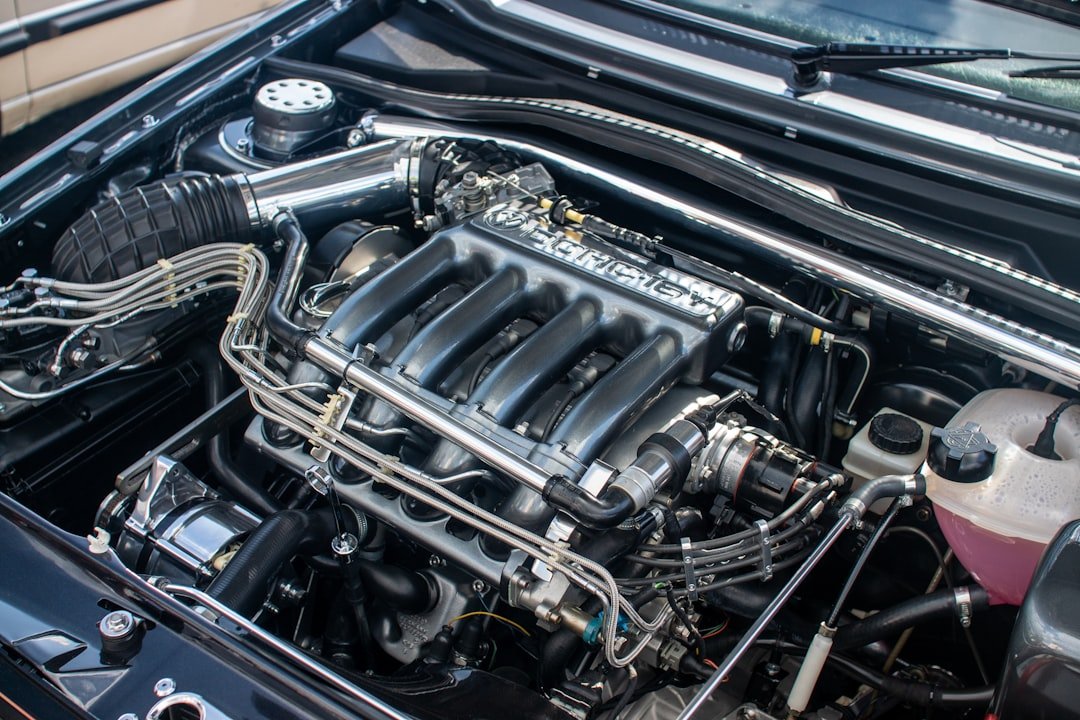
    An engine bay with the hood open

    Mileage: What Counts as Low, Moderate, and High

    Mileage RangeWhat to ExpectWhat to Ask
    Under 60,000 milesConsidered low mileage for a used engine; minimal wear expectedAsk for the donor vehicle’s service history if available
    60,000–100,000 milesModerate wear; still a solid buy if inspection and testing check outConfirm compression test results before buying
    100,000+ milesUsable, but expect more wear on rings, valves, and sealsAsk about oil consumption and any known issues from the donor vehicle

    Physical Inspection: What to Look For

    • Check the engine block and oil pan for cracks, leaks, or repair welds — any of these can point to a more serious underlying issue.
    • Pull the oil dipstick or dip a rag in the oil fill: white or cream-colored streaks in the oil usually mean coolant is getting into the engine, a sign of a failed head gasket.
    • Look at the spark plugs if they’re accessible — heavy carbon buildup, oil fouling, or a plug that’s missing entirely is worth asking about.
    • Check for a rebuilt or remanufactured tag, and ask what specifically was done if the engine has one.
    • Confirm the engine code stamped on the block matches what the seller listed, rather than relying on a verbal description of what “should” fit.
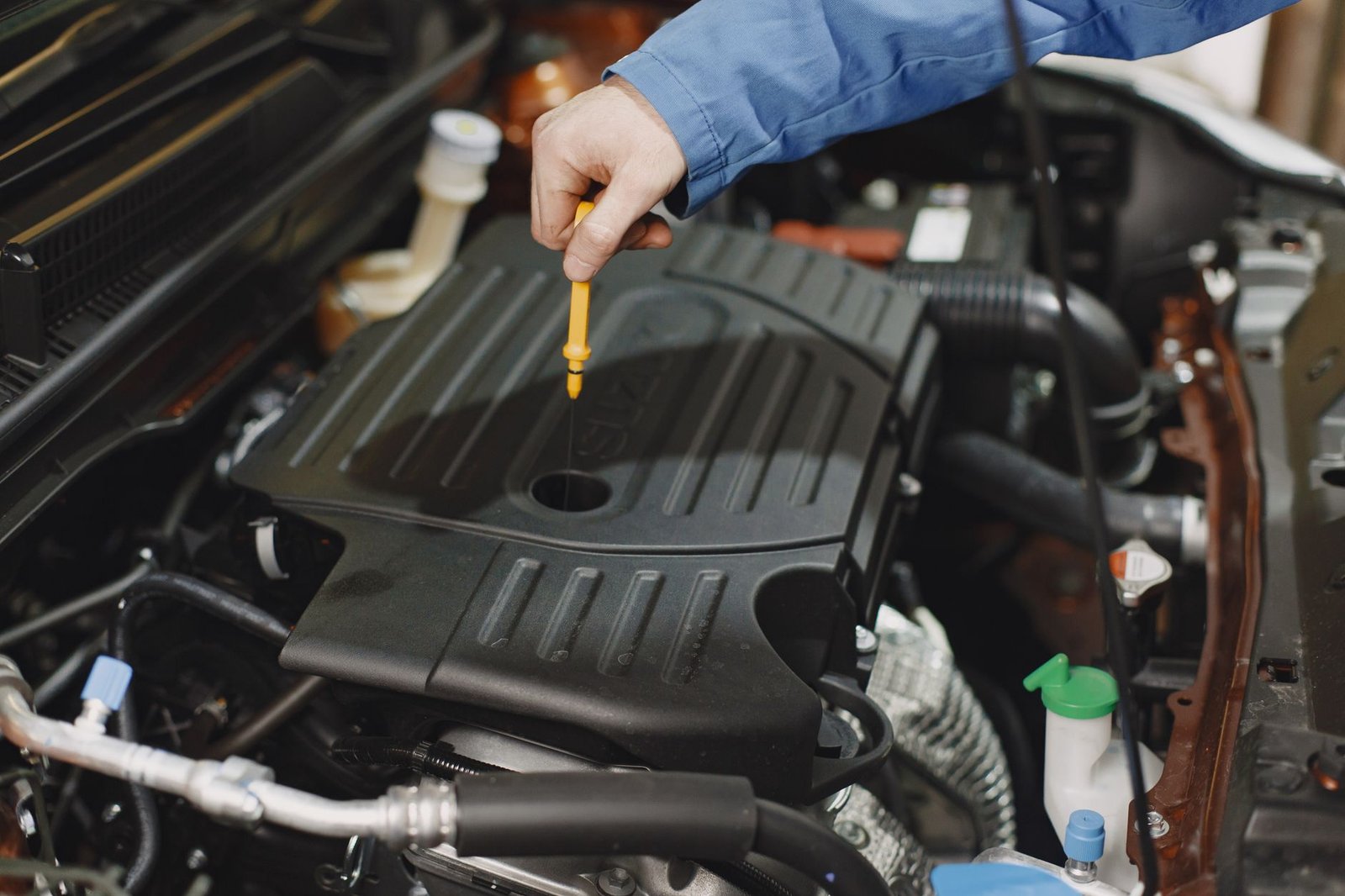
    Checking engine oil level on a dipstick

    What a Compression Test Tells You (and What It Doesn’t)

    A compression test measures how well each cylinder seals during the compression stroke, which reflects the condition of the piston rings, valves, and head gasket. A healthy engine typically shows consistent readings across all cylinders, generally within about 10–15% of each other. A cylinder reading significantly lower than the rest usually points to worn rings, a valve problem, or a head gasket issue.

    What a compression test won’t tell you is the condition of the camshaft, bearings, or timing components, so it’s one data point rather than a complete health check. A seller willing to provide compression numbers, or let you run the test yourself before purchase, is a good sign of confidence in what they’re selling.

    ASE (the National Institute for Automotive Service Excellence) certifies technicians specifically in engine repair, and its A1 Engine Repair test covers exactly these areas — the block, cylinder head, valve train, and cooling and lubrication systems. It’s a useful reference point for what a truly thorough engine inspection should cover, beyond just a quick visual check.

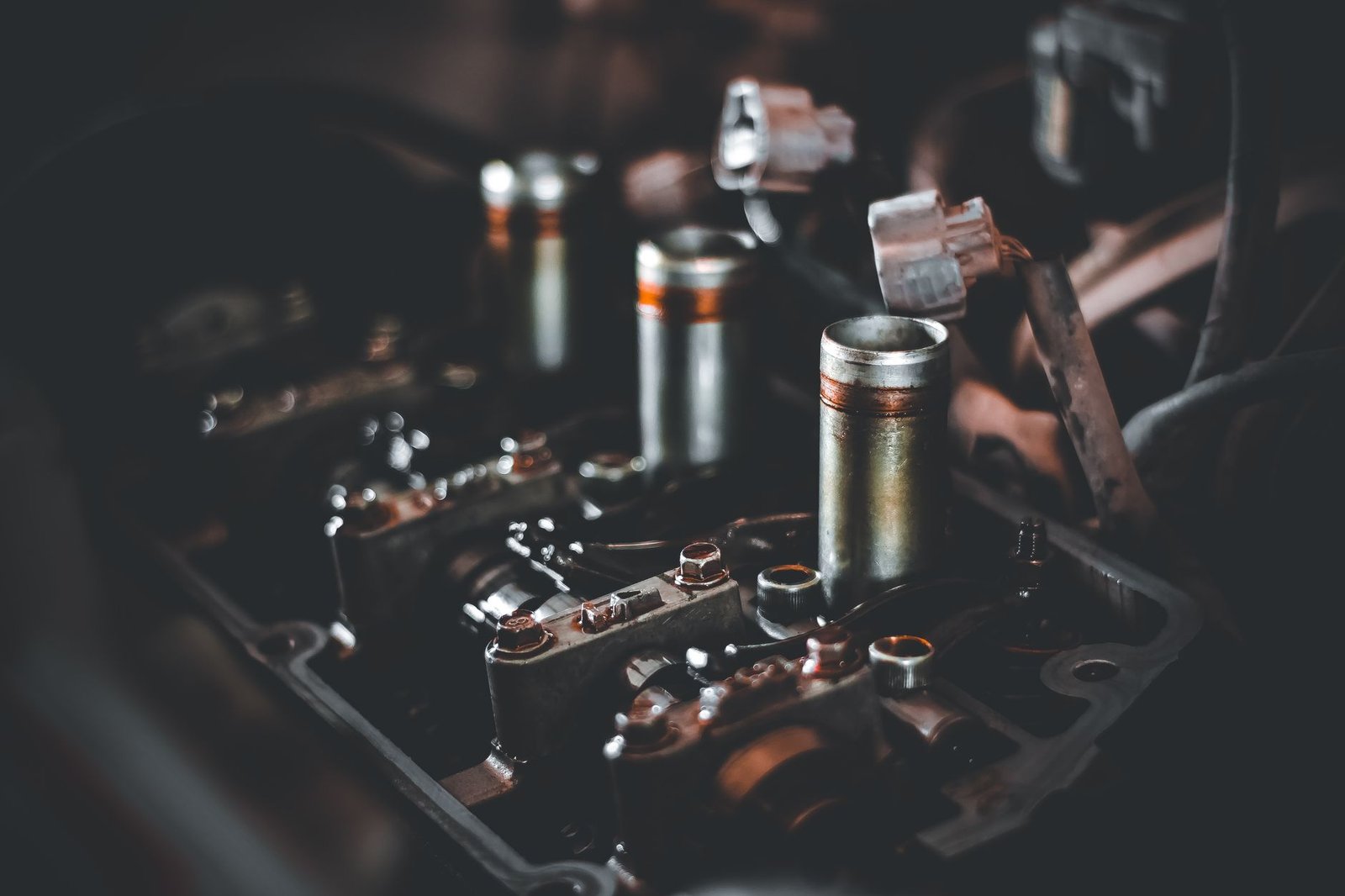
    Spark plug wells on an engine cylinder head

    Confirming Fitment: Engine Codes Matter More Than Model Year

    Two engines from the same model year and even the same trim level can differ in ways that matter for fitment, particularly around emissions equipment, engine management, and mounting. The engine code, usually stamped on the block itself, is the reliable way to confirm a match — not the model year alone. Cross-reference your VIN against the seller’s inventory rather than assuming compatibility from a general description.

    It’s also worth asking whether the wiring harness and engine computer (ECU) are included or need to be sourced separately. Some swaps are a straightforward bolt-in with the original harness and computer; others require significant work to get a used engine’s electronics talking to the rest of the vehicle. Getting a clear answer on this upfront avoids a surprise labor bill after the engine is already installed.

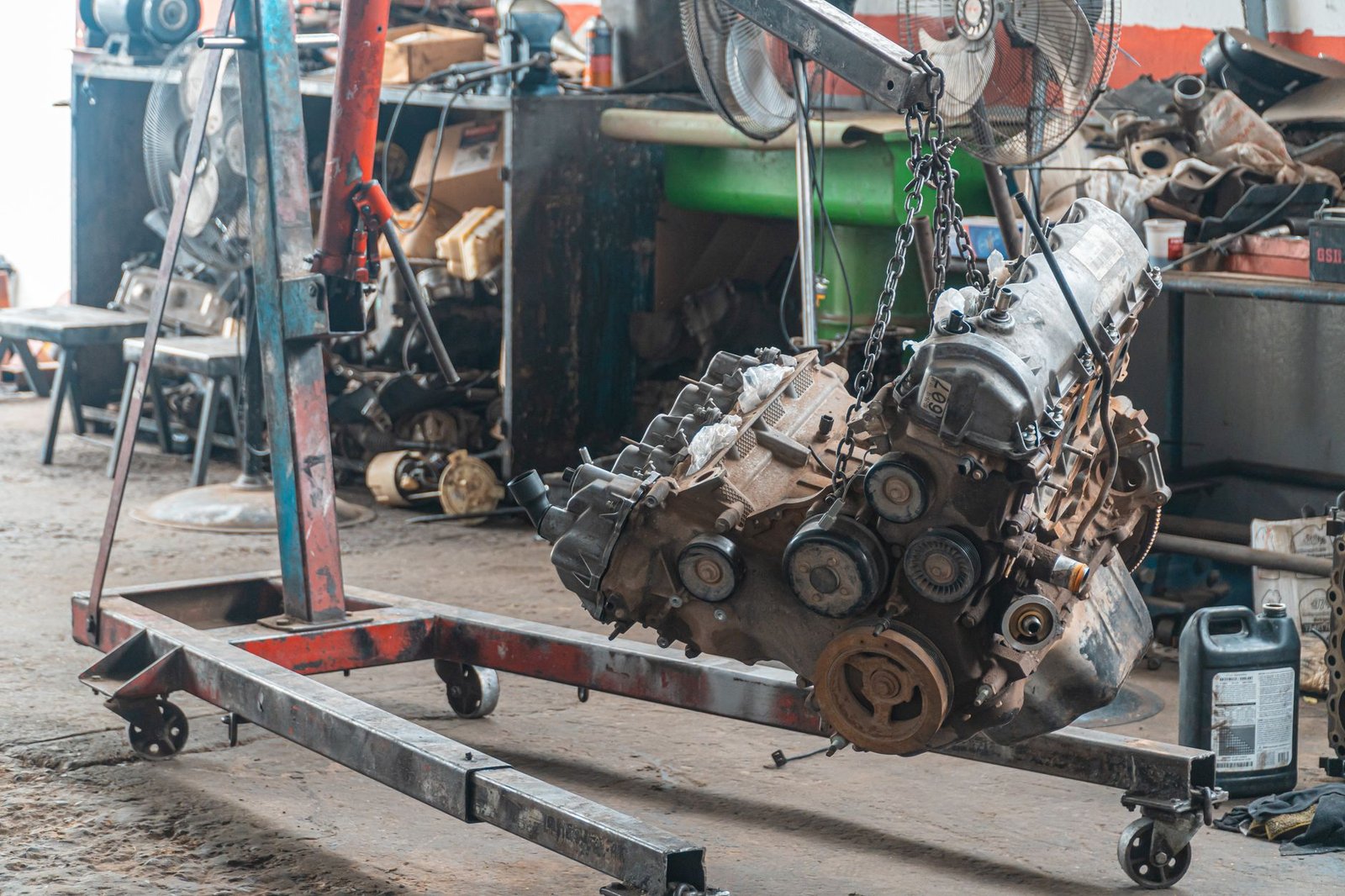
    An engine hoist lifting a motor out of a vehicle

    Engine Swaps: Same Engine Family vs. Exact Match

    Buyers sometimes ask about swapping in an engine from a related but not identical model — for example, a version of the same engine family used across several vehicles from the same manufacturer. This can work, but it often requires adapting mounts, wiring, or the exhaust, and isn’t something to assume will bolt in without research specific to that swap. For a straightforward replacement with the least risk, matching the exact engine code from a compatible year range of your own model is almost always the simpler and more reliable path.

    Typical Costs: Used vs. New or Remanufactured

    OptionTypical Price RangeNotes
    Used engine (tested, low-moderate mileage)$800–2,500Price varies widely by engine size and vehicle demand
    Remanufactured engine$2,500–5,000+Rebuilt to factory specs with new wear components
    New engine (from dealer)$4,000–10,000+Rarely cost-effective compared to used or remanufactured for an older vehicle

    Warranty Coverage

    Given the cost involved, warranty coverage matters more on an engine than almost any other used part. Look for at least a 30 to 90 day warranty covering major internal failure, and ask specifically what’s covered — some sellers cover the short block but not accessories like the water pump or alternator if they fail separately.

    A mechanic working underneath a raised vehicle

    Where Englewood Used Auto Parts Fits In

    Every engine we sell is inspected and tested before it’s cataloged by make, model, and engine code, and backed by a warranty. Browse our used auto parts inventory or call ahead with your VIN to confirm current availability.

    Not sure how to confirm your VIN before ordering? Our VIN and vehicle compatibility guide covers exactly what to check. And if you’re also weighing the radiator or transmission on a used vehicle, our radiator guide and transmission guide cover those systems in depth. If you’re shopping for a Hemi engine specifically, our Dodge & RAM parts guide covers the lifter and MDS issues worth checking for, and our Hyundai & Kia parts guide covers the Theta II engine recall. And if the engine in question is turbocharged, our turbocharger buying guide covers the symptoms and testing worth checking before you assume the whole engine needs replacing. Since many engine families are shared across several models, our interchange parts guide covers how to confirm a used engine from a different model will actually fit. If you’re shopping for a Subaru specifically, our Subaru parts guide covers the boxer engine’s head gasket history and what to check before buying. If you’re chasing a rough idle or misfire rather than a broader engine concern, our ignition coils and spark plugs guide covers that separate diagnosis.

    Frequently Asked Questions

    How many miles is too many for a used engine?

    There’s no hard cutoff. An engine with 100,000+ miles can still be a good buy if it passes a compression test and shows no signs of leaks, coolant contamination, or major wear. Mileage is one data point, not the whole picture.

    What does white or milky oil mean?

    It usually means coolant is leaking into the engine oil, most often from a failed head gasket. This is a serious issue and generally means the engine should be avoided or specifically disclosed and priced accordingly.

    Is a compression test enough to confirm an engine is good?

    It’s one of the most useful single tests, but it doesn’t check camshaft condition, bearings, or timing components. A consistent compression test plus a clean visual inspection together give a reasonably confident picture.

    How do I know if a used engine will fit my vehicle?

    Match the engine code stamped on the block, not just the model year, and cross-reference your VIN against the seller’s inventory before buying.

    Do used engines come with a warranty?

    Reputable sellers typically offer 30 to 90 days on major internal failure. Ask specifically what’s covered, since some warranties exclude accessories like the alternator or water pump.

    Does a used engine come with the wiring harness and computer?

    It varies by seller. Ask specifically, since some used engines are sold as a complete package with the harness and ECU while others are just the long block. Getting a clear answer upfront avoids surprise costs during installation.

    Shopping for a Honda engine specifically? Our used Honda parts guide covers known issues like the 1.5L turbo oil dilution problem and ignition coil failures.

    Dealing with an exhaust or emissions issue instead? Our catalytic converter replacement guide covers theft prevention, legal replacement options, and what fair pricing looks like.

    Shopping for a Ford engine specifically? Our used Ford parts guide covers known issues like fuel delivery problems on direct-injection engines.

    Shopping for a Chevy or GM engine specifically? Our used Chevrolet & GM parts guide covers known issues like 5.3L Vortec oil consumption.

    Not sure which engine fits your vehicle? Contact our parts counter with your year, make, model, and engine code, and we’ll confirm availability and condition before you buy.
  • Winter Car Prep Checklist: Parts to Check Before Cold Weather

    Winter Car Prep Checklist: Parts to Check Before Cold Weather

    Chicago winters are hard on a car in ways that don’t show up until the temperature actually drops. A battery that cranked the engine fine in October can fail outright at 5 degrees. A hairline crack in a belt that was fine all summer can snap on the first genuinely cold morning. Most of what causes a winter breakdown isn’t damage from the cold itself — it’s a part that was already marginal, pushed past its limit by the temperature.

    This checklist covers the parts worth inspecting before the cold sets in, why cold weather specifically exposes them, and what it costs to address each one with a used part instead of new.

    The Winter Prep Checklist

    SystemWhat Cold Does to ItWhat to Check
    BatteryCan lose up to 40% of effective capacity in freezing temperaturesLoad test; replace if 3+ years old or CCA rating is marginal
    Belts & hosesRubber stiffens and cracks more easily in coldLook for cracking, glazing, or soft spots
    Coolant/antifreezeWrong mix ratio can let coolant freeze and crack the blockConfirm a 50/50 to 60/40 antifreeze-to-water mix
    TiresPressure drops roughly 1 PSI per 10°F, and tread matters more on iceCheck pressure and tread depth, including the spare
    Wiper blades & fluidStandard fluid can freeze; worn blades streak on slushSwitch to winter-rated fluid; replace worn blades
    BrakesSlippery roads put more demand on a marginal brake systemHave pads, rotors, and fluid checked before the first snow

    Battery: The Most Common Winter Failure

    Cold weather doesn’t just make an engine harder to turn over — it directly reduces how much power a battery can deliver. A battery that’s already at 70% of its rated capacity from age can drop well below what’s needed to start the engine once temperatures fall into the teens or single digits. If your battery is more than three years old, a load test before winter is worth the ten minutes it takes.

    We cover this in more depth in our used car battery buying guide, including how to read a CCA rating and what a fair price looks like on a tested used battery.

    Belts and Hoses: Check for Cracking, Not Just Age

    Rubber becomes less flexible in cold weather, which means a belt or hose with early wear that flexed fine all summer can crack or fail outright on a cold morning. Look for a glazed, shiny appearance on a belt (a sign it’s hardened and losing grip) and any cracking across the ribs. Hoses should be firm but not brittle — a hose that feels unusually hard or has visible cracking near the clamps is a candidate for replacement before, not after, it fails.

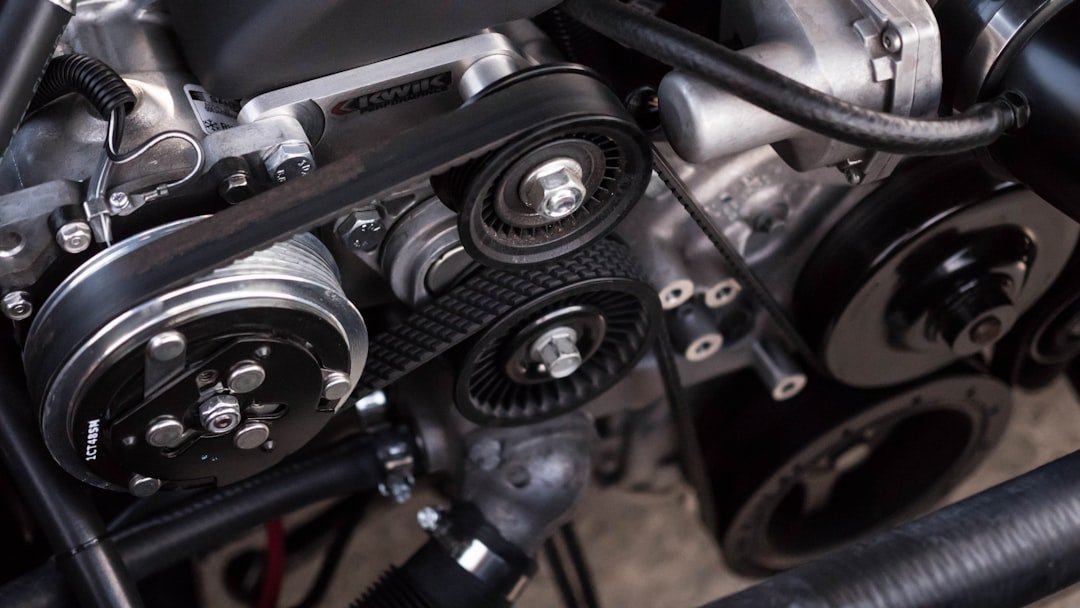
    Close-up of a serpentine belt and pulley system

    Coolant: Getting the Mix Right

    Straight water in a radiator can freeze in a hard freeze, and a frozen block is a genuinely expensive way to find out your coolant mix was wrong. Most vehicles want a 50/50 mix of antifreeze and water, though a 60/40 antifreeze-heavy mix offers a bit more freeze protection in especially cold climates. A coolant test strip or a shop check takes a few minutes and confirms both the mix ratio and the coolant’s condition.

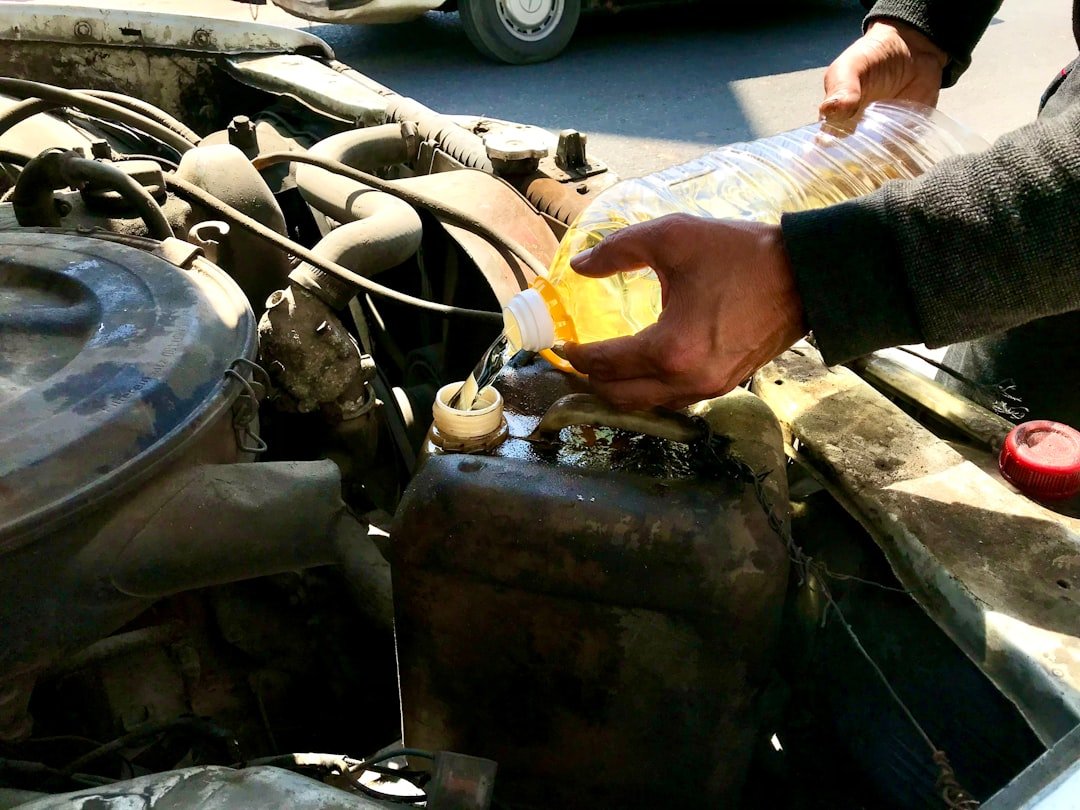
    Topping off fluid under the hood

    Tires: Pressure and Tread Both Matter More in Winter

    Tire pressure drops with temperature, roughly 1 PSI for every 10°F, so a tire set correctly in September can be noticeably underinflated by December. Underinflated tires handle worse on snow and ice and wear unevenly. Tread depth matters even more in winter, since a worn tire has far less grip in slush or on packed snow. Check all four tires and the spare, and consider dedicated winter tires if you regularly drive in heavy snow.

    A car wheel in snowy winter conditions

    Wipers and Washer Fluid

    Standard washer fluid can freeze in the reservoir or on the windshield, making things worse rather than better. Switch to a winter-rated, freeze-resistant washer fluid before temperatures drop, and replace any wiper blade that streaks, skips, or has a visibly worn edge — a good blade matters more in a whiteout than it ever will on a clear day.

    A frost-covered windshield in need of clearing

    Brakes: More Demand, Less Margin for Error

    Slippery roads mean more panic stops and more distance needed to stop safely, which puts extra demand on a braking system that may already be due for attention. According to the Car Care Council, brakes are one of the most important systems to have inspected before winter weather arrives, since reduced traction leaves far less margin for a marginal brake job. If it’s been a while since your brakes were checked, our used brake parts buying guide covers what a healthy pad and rotor should look like.

    A car driving on a snow-covered road

    Building a Basic Winter Emergency Kit

    Beyond the parts themselves, it’s worth keeping a small kit in the vehicle once temperatures drop: a fresh set of jumper cables, an ice scraper, a small bag of sand or kitty litter for traction if a tire gets stuck, a flashlight, and a blanket. None of this replaces proper maintenance, but it covers the gap between a part failing and getting it fixed — which, in a Chicago winter, can be the difference between a minor inconvenience and being stranded.

    Typical Costs: Used Parts for Winter Prep

    PartTypical Used PriceTypical New Price
    Battery (tested, used core)$40–90$120–250
    Serpentine belt$10–25$25–60
    Radiator (if replacement needed)$60–150$150–400
    Brake pads/rotors (per axle)$40–100$100–250

    Where Englewood Used Auto Parts Fits In

    Every part we sell, from batteries to belts to brake components, is inspected and tested before it’s cataloged, and backed by a warranty. Browse our used auto parts inventory or call ahead with your VIN to confirm current availability before winter weather hits.

    Not sure how to confirm your VIN before ordering? Our VIN and vehicle compatibility guide covers exactly what to check. If you’re also inspecting the suspension or lighting on a used vehicle, our suspension guide and headlights and taillights guide cover those systems in depth. If you haven’t already worked through the earlier-season checks, our fall car care checklist covers tires, wipers, and battery health before the weather turns genuinely cold. And if your heat isn’t keeping up now that it’s actually cold, our HVAC blower motor and heater core guide covers why. And once the snow melts, our spring car care checklist covers what a winter of cold and salt leaves behind.

    Frequently Asked Questions

    How cold does it need to be before a battery is at risk?

    Effective battery capacity starts dropping well before extreme cold sets in, but the risk becomes serious once temperatures fall into the teens or single digits, especially for a battery already more than three years old.

    What antifreeze-to-water ratio should I use?

    Most vehicles are designed for a 50/50 mix. In especially cold climates like Chicago, a 60/40 antifreeze-heavy mix offers extra freeze protection. Check your owner’s manual for the manufacturer’s specific recommendation.

    Do I need winter tires, or are all-season tires enough?

    All-season tires are adequate for occasional light snow, but dedicated winter tires provide meaningfully better grip in heavy snow or on ice, since their rubber compound stays flexible in cold temperatures that stiffen all-season rubber.

    How often should I check tire pressure in winter?

    Check monthly at minimum, and after any significant temperature swing. Tire pressure drops roughly 1 PSI for every 10°F, so a cold snap can leave tires meaningfully underinflated within days.

    Can I use a used battery for winter driving?

    Yes, as long as it’s been load-tested and shows a cold cranking amp rating that meets or exceeds your vehicle’s requirement. A tested used battery performs the same as new for a fraction of the cost.

    What should I keep in a winter emergency kit?

    A fresh set of jumper cables, an ice scraper, a small bag of sand or kitty litter for traction, a flashlight, and a blanket cover most common winter roadside situations while you arrange a repair.

    Not sure which parts your vehicle needs before winter? Contact our parts counter with your year, make, and model, and we’ll help you get ahead of the cold weather.

  • Used Headlights & Taillights Buying Guide: What to Inspect

    Used Headlights & Taillights Buying Guide: What to Inspect

    A cracked lens or a dim, yellowed headlight isn’t just a cosmetic problem — worn lighting is one of the more common reasons a vehicle fails inspection or draws a police stop after dark. The good news is that headlight and taillight assemblies are one of the safest, most straightforward used parts to buy, since there’s no moving mechanism inside to wear out. The part either works and seals properly, or it doesn’t.

    This guide covers how to inspect a used headlight or taillight assembly before you buy, how to confirm fitment, and what a fair price looks like.

    Why Lighting Parts Are a Good Used-Parts Candidate

    Unlike a used alternator or water pump, a headlight or taillight assembly has no moving parts, no fluid, and nothing to wear out under normal use. The main risks are physical: cracks from an impact, moisture intrusion from a broken seal, and UV-related cloudiness on the outer lens. All three are easy to spot with a visual inspection, which makes lighting parts one of the lower-risk purchases in a salvage yard’s inventory.

    This is also why headlights and taillights are commonly available from newer, lower-mileage donor vehicles. A car totaled in a rear-end collision might have a perfectly intact set of headlights, and a front-end collision often leaves the taillights untouched, so the part’s condition frequently has more to do with the nature of the donor vehicle’s damage than its age or mileage.

    What to Check Before You Buy

    • Look for cracks, chips, or a lens that has separated from its housing — any of these can let moisture in over time even if the part looks fine at a glance.
    • Check for cloudiness or yellowing on the outer lens, a sign of UV oxidation that affects light output even when the bulb and wiring are perfectly good.
    • Look inside the housing for condensation, water droplets, or a milky residue, which point to a failed seal rather than normal dew.
    • Confirm the wiring harness connector is intact and not cut, corroded, or missing pins.
    • Ask whether the part was tested for correct beam pattern and function before it was cataloged, not just visually inspected.
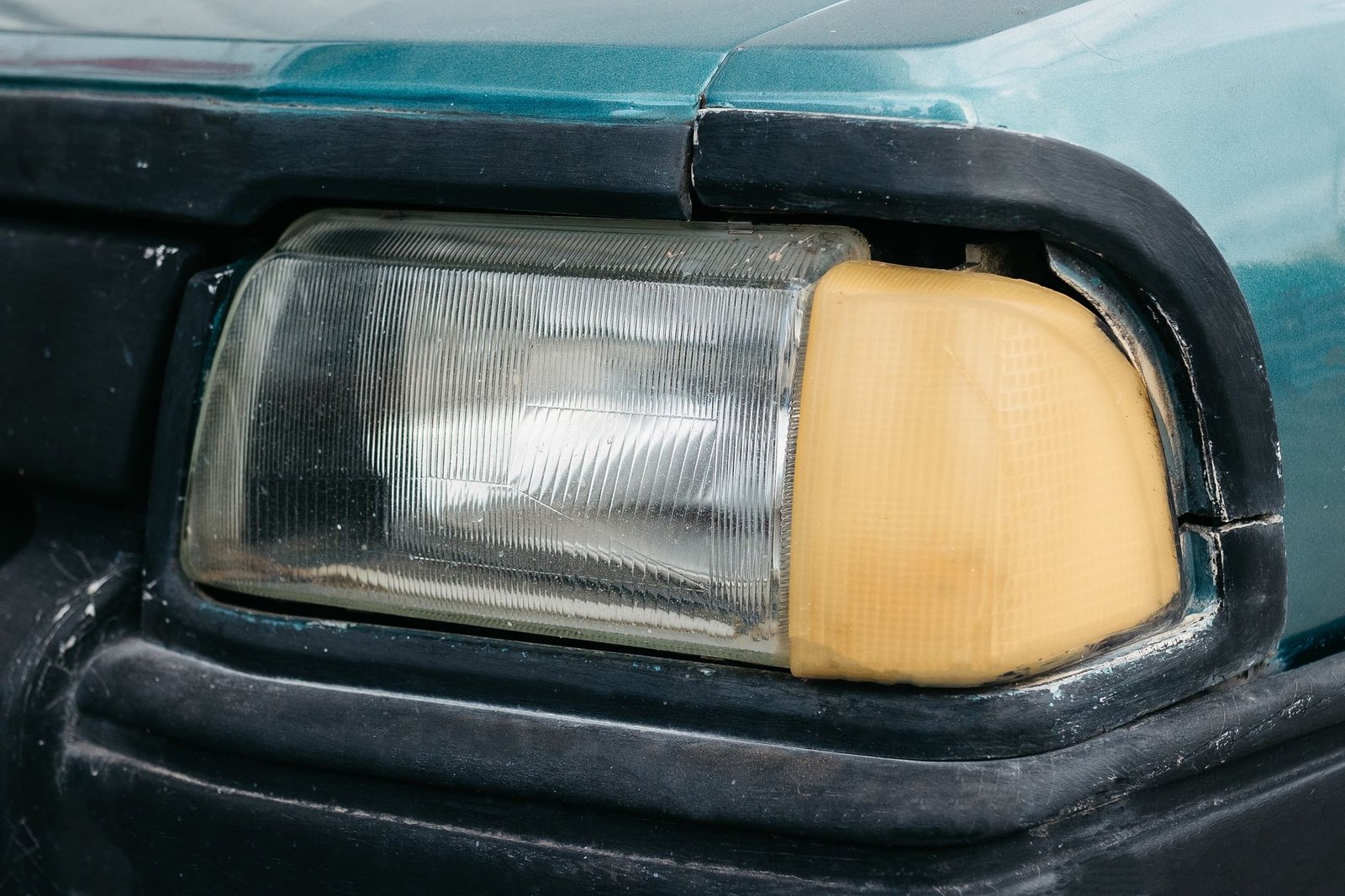
    An aged, yellowed lens showing UV oxidation

    Common Problems and What They Mean

    SymptomLikely CauseFixable?
    Cloudy, yellowed lensUV oxidation of the outer plasticSometimes with polishing, otherwise replace
    Water inside the housingFailed or cracked sealReplace the assembly
    Dim or flickering lightBad bulb, connector, or ground wireOften fixable without replacing the assembly
    Cracked lensImpact damageReplace the assembly
    One side dimmer than the otherMismatched bulb type or failing ballast (HID/LED)Check bulb match first
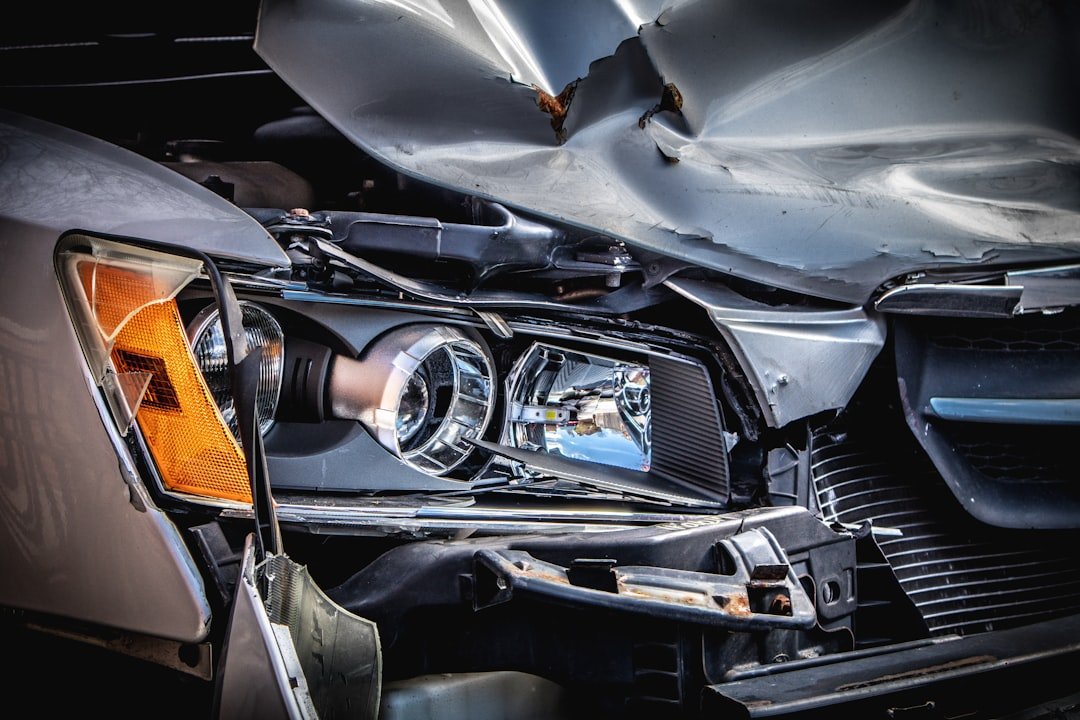
    A damaged headlight assembly with a cracked lens

    Halogen, HID, and LED: Why It Matters When Buying Used

    TypeWhat to Know When Buying Used
    HalogenSimplest and cheapest to replace; the bulb and housing are usually independent
    HID (Xenon)Assembly includes a ballast; confirm the ballast is included and tests as working
    LEDOften integrated with the housing as a single sealed unit; a failure usually means replacing the whole assembly

    Mixing lighting types side to side, or buying a used assembly with a different bulb type than your vehicle originally had, can cause uneven beam pattern and in some cases isn’t legal for on-road use. Confirm the bulb type of the used part matches your vehicle’s original equipment.

    Close-up of a car taillight lens

    DIY Installation: What to Expect

    Most headlight and taillight assemblies are a reasonable DIY job. They’re typically held in place with a handful of bolts or push clips accessible from the front or rear, plus a wiring harness connector that unplugs and reconnects without any cutting or splicing. Budget 30 to 60 minutes per side for a straightforward swap, longer if the assembly is tucked behind a bumper cover or requires removing an air intake duct to get at the mounting bolts.

    After installing a new-to-you assembly, check the beam alignment. Most vehicles have small adjustment screws on the back of the headlight housing for this, and an improperly aimed headlight can blind oncoming drivers or leave you with poor visibility even with a perfectly good bulb.

    Confirming Fitment

    Headlight and taillight assemblies are often side-specific (driver vs. passenger) and can vary by trim level and model year even within the same generation of a vehicle. Cross-referencing your VIN against the seller’s inventory is the most reliable way to confirm a used assembly will bolt in without modification.

    Vehicle lighting in the U.S. is also governed by Federal Motor Vehicle Safety Standard 108, the NHTSA regulation covering placement, color, and function of headlights, taillights, and reflective devices. It’s a good reason to stick with OEM-style used assemblies rather than mismatched aftermarket parts, since factory parts are built to meet that standard by design.

    A vehicle with its headlights on driving at dusk

    Typical Costs: Used vs. New

    ComponentTypical Used PriceTypical New Price
    Headlight assembly (each)$50–150$150–500+
    Taillight assembly (each)$40–120$100–350
    HID/LED assembly (each)$100–250$300–900+
    Mechanic inspecting a vehicle's front-end wiring under the hood

    Warranty Coverage

    Because lighting assemblies are low-risk parts, most sellers back them with a standard 30 to 90 day warranty covering seal failure or electrical faults discovered after installation. Ask whether the part was bench-tested for both low and high beam function, turn signal, and any integrated daytime running light before it left the shelf.

    Where Englewood Used Auto Parts Fits In

    Every headlight and taillight assembly we sell is inspected for cracks, moisture, and lens condition, then tested for proper function before it’s cataloged by make, model, and year, and backed by a warranty. Browse our used auto parts inventory or call ahead with your VIN to confirm current availability.

    Not sure how to confirm your VIN before ordering? Our VIN and vehicle compatibility guide covers exactly what to check. And if you’re inspecting more than just lighting on a used vehicle, our used suspension parts buying guide covers what else is worth a close look underneath.

    Frequently Asked Questions

    Is it safe to buy a used headlight assembly?

    Yes. Headlight and taillight assemblies have no moving parts, so the main things to check are cracks, moisture inside the housing, and lens clarity. A part free of these issues performs the same as new.

    Can a cloudy or yellowed headlight lens be fixed instead of replaced?

    Sometimes. Light UV oxidation can often be improved with a polishing kit, but if the cloudiness is deep or the lens has started to pit, replacing the assembly is usually the more lasting fix.

    How do I know if a used headlight will fit my vehicle?

    Cross-reference your VIN against the seller’s inventory. Headlight and taillight assemblies are frequently side-specific and can vary by trim level even within the same model year.

    Do I need to replace both headlights at the same time?

    Not necessarily for the assembly itself, but if you’re replacing bulbs, doing both sides together avoids a noticeable brightness or color mismatch between the two.

    Do used headlights and taillights come with a warranty?

    Reputable sellers typically offer 30 to 90 days, covering seal failure or electrical faults found after installation. Confirm the part was bench-tested for proper function before you buy.

    Is it hard to install a headlight or taillight assembly myself?

    Most are a reasonable DIY job, typically held in with bolts or push clips and a single wiring connector. Budget 30 to 60 minutes per side, and check headlight beam alignment afterward using the adjustment screws on the back of the housing.

    Not sure which headlight or taillight assembly fits your vehicle? Contact our parts counter with your year, make, and model, and we’ll confirm availability and condition before you buy.
  • Used Suspension Parts Buying Guide: Symptoms, Inspection, Cost

    Used Suspension Parts Buying Guide: Symptoms, Inspection, Cost

    A worn suspension component doesn’t always announce itself clearly. Sometimes it’s a clunk over bumps, sometimes it’s a vehicle that pulls to one side, and sometimes it’s just a ride that feels a little looser than it used to. Matching the symptom to the right part is most of the battle before you even start shopping.

    This guide covers how to translate common symptoms into the likely component, how to inspect used suspension parts before you buy, and what a fair price and warranty look like.

    Common Suspension Symptoms and What They Usually Mean

    SymptomLikely ComponentNotes
    Clunking over bumpsWorn control arm bushings or sway bar linksOften the cheapest fix in this list
    Vehicle pulls to one sideUneven strut/shock wear or alignment issueHave alignment checked before replacing parts
    Excessive bouncing after a bumpWorn shocks or strutsClassic sign of shock absorber failure
    Clunking during turnsWorn ball joints or tie rod endsCheck for play by hand with the wheel off the ground
    Uneven tire wearAlignment, worn bushings, or ball jointsAddress the root cause before replacing tires

    These are starting points, not diagnoses. More than one worn component can produce the same symptom, and a vehicle with 100,000-plus miles often has several parts nearing the end of their life at once. If you’re not sure which component is at fault, a shop can usually isolate it in a few minutes on a lift by grabbing the tire at 12 and 6 o’clock and checking for play, then again at 3 and 9 o’clock.

    Why Chicago Roads Are Especially Hard on Suspension Parts

    Potholes, freeze-thaw cycles, and road salt all take a toll on suspension components faster here than in milder climates. Salt accelerates corrosion on control arm bushings, sway bar links, and mounting hardware, while deep potholes deliver sudden impact loads that can dent a strut housing or crack a bushing outright. If you’re shopping for used suspension parts in the Chicago area, it’s worth asking specifically whether a part came from a vehicle that spent its life in a similarly salted, pothole-heavy region, since corrosion resistance and impact history both affect remaining service life.

    Struts vs. Shocks: What’s the Difference?

    FactorStrutsShocks
    Structural rolePart of the suspension structure itselfDampening only, separate from structure
    ReplacementUsually replaced as a full assembly with the springCan often be replaced independently
    Common onFront suspension of most modern carsRear suspension and some older vehicles
    Used part viabilityGood, if visually inspected and testedGood, if free of leaks and properly tested

    Because struts double as a structural mounting point for the coil spring, replacing one usually means replacing the whole assembly, which is why complete strut assemblies are a common used-parts purchase — buying the assembly pre-built also saves the labor cost of compressing and transferring a spring yourself.

    A vehicle driving on the road

    Should Suspension Parts Be Replaced in Pairs?

    Most shops recommend replacing struts or shocks in pairs, left and right, even if only one side is showing symptoms. Mismatched wear between the two sides can cause uneven handling and accelerate wear on the newer part as it compensates for the older one. This is less critical for components like a single control arm or ball joint, where replacing just the failed side is common practice, but it’s worth asking about when you’re buying struts or shocks specifically.

    How to Inspect Used Suspension Parts

    • Check shocks and struts for oil leaks, dented housings, or a broken mount — any of these mean the part should be replaced, not reused.
    • Move control arms and ball joints by hand to check for excessive play; a torn boot or missing grease is a sign of accelerated wear.
    • Inspect for rust or corrosion, especially around mounting points and bushings, which can indicate a part won’t hold up long-term even if it currently functions.
    • Consider the condition of the donor vehicle overall — a well-maintained vehicle likely means well-maintained suspension components.
    • Bring a mechanic along for higher-value components like complete strut assemblies, especially if you’re not confident inspecting them yourself.
    Mechanic inspecting suspension components underneath a vehicle

    Typical Costs: Used vs. New

    ComponentTypical Used PriceTypical New Price
    Strut assembly (each)$60–150$150–350
    Shock absorber (each)$30–80$80–200
    Control arm$40–100$100–250
    Ball joint$20–50$50–120

    According to the Motorist Assurance Program, the industry group that sets uniform inspection standards for undercar services, a professional suspension inspection is worth doing at least once a year — both to catch developing issues early and to confirm a used part’s remaining life before you buy.

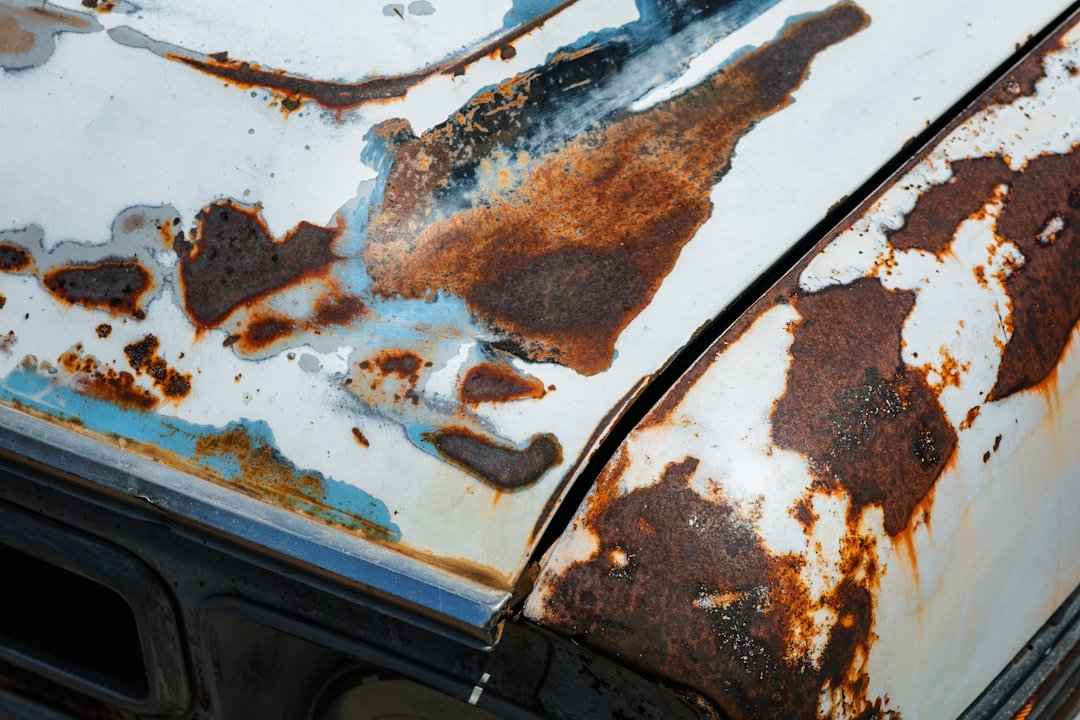
    Corrosion on a vehicle body panel, a warning sign to inspect closely

    Warranty Coverage

    Suspension components should carry a warranty covering defects for a set period after purchase, typically 30 to 90 days. Ask specifically whether the part was tested for leaks and play before it was cataloged, not just visually inspected.

    Mechanic using a wrench on a vehicle underbody component

    DIY Installation vs. Professional Install

    Some suspension components are reasonable DIY jobs with basic tools and a jack stand set — sway bar links and many control arms fall into this category. Struts are a different story: they typically involve compressing a loaded coil spring, which requires a spring compressor and carries real risk of injury if done incorrectly. Unless you already have the right tools and experience, a full strut assembly (which arrives pre-compressed and ready to bolt in) is usually the safer and more cost-effective route for a home installation.

    Whichever route you take, a front-end alignment after any suspension work involving control arms, struts, or tie rods is not optional. Skipping it leads directly to the uneven tire wear and pulling symptoms in the table above, even when the new parts themselves are perfect.

    A coil spring and shock absorber shown for inspection

    Where Englewood Used Auto Parts Fits In

    Every suspension component we sell is disassembled, cleaned, and tested before it’s cataloged by make, model, and year, and it’s backed by a warranty. Browse our used auto parts inventory or call ahead with your VIN to confirm current availability.

    Not sure how to confirm your VIN before ordering? Our VIN and vehicle compatibility guide covers exactly what to check. And if you’re weighing a used part against a self-service pull, our junkyard vs. used auto parts store guide explains the tradeoffs. If you’re hearing a clicking noise when turning rather than a clunk over bumps, our CV axle and joint guide covers that separate diagnosis. Strut mount clunk is especially common on higher-mileage Subarus given the added weight of their AWD hardware; our Subaru parts guide covers that and other model-specific trouble spots. Our dedicated shocks and struts guide covers the bounce test and other symptoms of worn dampers in more depth.

    Frequently Asked Questions

    Is it safe to buy used struts and shocks?

    Yes, provided you check for leaks, dented housings, and broken mounts. A used strut or shock free of these issues performs comparably to new for a fraction of the price.

    What does a clunking noise over bumps usually mean?

    Most often it’s worn control arm bushings or sway bar links, both relatively inexpensive fixes compared to a full strut or shock replacement.

    Can I replace just the shock, or do I need the whole strut assembly?

    It depends on your vehicle’s design. Some vehicles use separate shocks that can be replaced independently; others use a strut assembly where the shock, spring, and mount are replaced together.

    How do I know if a used control arm is still good?

    Check for a torn boot, missing grease, visible rust at the bushings, and excessive play when moved by hand. Any of these suggest the part is near the end of its useful life.

    Do used suspension parts come with a warranty?

    Reputable sellers typically offer 30 to 90 days, covering defects found after installation. Always confirm whether the part was tested for play and leaks before sale.

    Do I need an alignment after replacing suspension parts?

    Yes. Any work involving struts, control arms, or tie rods changes the geometry of the front end, and skipping the alignment afterward will lead to uneven tire wear or a vehicle that pulls to one side, even with a perfectly good part installed.

    Suspension isn’t the only system worth a close look on a used vehicle. Our used headlights and taillights buying guide covers what to inspect on lighting assemblies before you buy.

    Own a Jeep specifically? Our used Jeep parts guide covers the well-known “death wobble” front-end issue and how to check for it.

    Steering and suspension wear often go hand in hand. Our power steering buying guide covers how to tell a pump, rack, or EPS issue apart from a suspension problem.

    While you’re checking suspension components, it’s worth inspecting the wheels themselves too. Our wheels and rims buying guide covers how to spot cracks, bends, and fitment issues.

    Not sure which suspension parts fit your vehicle? Contact our parts counter with your year, make, and model, and we’ll confirm availability and condition before you buy.
  • How to Read a VIN and Check Vehicle Part Compatibility

    How to Read a VIN and Check Vehicle Part Compatibility

    Nearly every buying guide on this site tells you to “check your VIN” before ordering a part. This one explains exactly what that means: what a VIN actually encodes, how to read it yourself, and why it’s the single most reliable way to avoid ordering the wrong part.

    Ordering by model name alone works fine for a lot of parts, but it starts to break down exactly where it matters most: engines, transmissions, and anything electronically programmed. A VIN removes the guesswork entirely.

    None of this requires special tools or training — just knowing where to look and what the 17 characters actually mean.

    What Is a VIN?

    A Vehicle Identification Number is a 17-character code, made up of letters and numbers, that uniquely identifies your specific vehicle. Unlike a model name, which covers years of production and multiple trims, a VIN identifies one exact vehicle, including its engine, plant, and production sequence.

    This is exactly why a parts counter asks for it: two vehicles with the same model name can have different engines, wiring, or components depending on when and where they were built.

    VIN Structure: What Each Section Means

    PositionsSectionWhat It Tells You
    1–3World Manufacturer IdentifierCountry of origin and manufacturer
    4–8Vehicle Descriptor SectionBody style, engine type and size, model series
    9Check DigitSecurity code validating the VIN is authentic
    10Model YearCoded letter or number indicating the model year
    11Plant CodeWhich factory assembled the vehicle
    12–17Production SequenceUnique serial number for that specific vehicle
    Open car door frame, where compliance and VIN labels are commonly located

    Decode Your Vehicle’s Model Year

    Position 10 of the VIN uses a repeating cycle of letters and numbers to encode the model year. The letters I, O, and Q are skipped to avoid confusion with the numbers 1 and 0. Here’s the current cycle, covering recent model years:

    CodeModel Year
    L2020
    M2021
    N2022
    P2023
    R2024
    S2025
    T2026

    According to the National Highway Traffic Safety Administration’s vPIC VIN decoder, this standard applies to model year 1981 and forward, and the free tool can confirm the full decoded details of any VIN if you want to double-check by hand.

    Writing down vehicle information on a notepad

    Where to Find Your VIN

    1. Look through the windshield on the driver’s side, where the dashboard meets the glass — the VIN plate is usually visible from outside the car.
    2. Check the driver’s side door jamb, where a compliance sticker often lists the VIN along with tire pressure and paint code information.
    3. Check your vehicle registration or insurance card, both of which list the VIN.
    4. Check your owner’s manual, which sometimes includes the VIN on the title page or a dedicated vehicle information section.

    If your vehicle has multiple potential VIN locations that don’t match — for instance, a windshield plate that doesn’t match a door jamb sticker — that’s worth investigating before you buy or sell, since it can indicate a replaced windshield, a swapped door, or in rare cases a title issue.

    How to Use Your VIN When Shopping for Parts

    • Have the full 17-character VIN ready before you call or search, not just the year, make, and model.
    • Share the VIN with the parts counter so they can cross-reference it against a specific donor vehicle, not just a general catalog entry.
    • For electronically programmed components, confirm the part came from a vehicle with a matching trim and options, since programming can be vehicle-specific.
    • If you’re ordering online, use a VIN-based lookup tool rather than searching by model name alone, especially for electrical or engine-specific parts.

    It’s worth doing this even when you’re confident you already know the right part. A five-minute VIN cross-reference is a lot cheaper than shipping a part back because it didn’t fit, especially for large components like engines and transmissions where return shipping can be significant.

    Customer service representative on a call

    Common VIN Mistakes to Avoid

    • Confusing a similar-looking character — the letters I, O, and Q don’t appear in a valid VIN, so if you see one, you’ve likely misread a 1, 0, or a different letter.
    • Assuming two vehicles with the same trim name are identical — mid-year running changes can affect specific components even within the same model year.
    • Relying on the model name alone when ordering electronics or engine components, where exact compatibility matters most.
    • Reading the VIN from a photo or a partial glimpse rather than the full plate — a single mistyped character changes the entire decode.

    These mistakes are easy to avoid once you know to look for them, but they’re also the most common reason a seemingly correct part order turns out to be the wrong one.

    Parts catalog reference binders on a shelf

    The Check Digit: How a VIN Validates Itself

    Position 9 of every VIN is a check digit, calculated using a specific formula applied to the other 16 characters. This isn’t just decorative — it’s how a VIN decoder, or a trained eye, can catch a typo before it causes a problem. If someone hands you a VIN with a single transposed digit, the check digit calculation will almost always fail to match, flagging the error immediately rather than letting an invalid VIN slip through to an order.

    You don’t need to calculate this by hand. Free tools like NHTSA’s vPIC decoder do it automatically, and most parts counter software validates the check digit the moment a VIN is entered. But it’s useful to know this validation exists, since it’s part of why a single mistyped character in a VIN usually gets caught before it turns into a shipped part that doesn’t fit.

    Where Englewood Used Auto Parts Fits In

    We’ve cataloged used parts by make, model, and year since 1983, and cross-referencing a VIN against our inventory is a normal part of every call. Browse our used auto parts inventory or call ahead with your VIN to confirm what’s currently in stock.

    This guide pairs with our make-specific buying guides for Nissan, Toyota, Dodge & RAM, Subaru, Mazda, Volkswagen, and Buick & Cadillac, and our component guides for transmissions, radiators, brakes, batteries, CV axles, exhaust systems, water pumps, mirrors and window regulators, turbochargers, and timing components — each covers VIN-specific compatibility details for that part. And if you’re wondering whether a part from a different model might fit yours, our interchange parts guide explains how that works.

    Looking up part compatibility information on a computer

    Frequently Asked Questions

    How many characters are in a VIN?

    A standard VIN has 17 characters, combining letters and numbers, and has been the standard format for vehicles built since 1981.

    Why do I need my VIN to order a part?

    A VIN identifies your specific vehicle, including its exact engine and production details, which lets a parts counter confirm a part will actually fit rather than just matching the general model name.

    What do the letters I, O, and Q mean in a VIN?

    Nothing — those letters are intentionally excluded from VINs because they can be confused with the numbers 1 and 0. If you see one in what you think is a VIN, double-check for a misread character.

    Can I decode my VIN for free?

    Yes. The NHTSA’s vPIC tool provides a free, official VIN decoder that confirms the make, model, model year, and other details encoded in any VIN from 1981 onward.

    Does the VIN tell me the exact engine in my car?

    Often, yes. Positions 4 through 8 typically encode engine type and size along with body style, which is one reason sharing your full VIN helps a parts counter confirm the right engine-specific components.

    What should I do if my VIN doesn’t match between locations on my car?

    A mismatch between the windshield plate and door jamb sticker can indicate a replaced windshield or door, or in rare cases a title issue. It’s worth having a mechanic or dealer investigate before buying or selling the vehicle.

    What is the VIN check digit for?

    Position 9 of the VIN is a check digit calculated from the other 16 characters using a standard formula. It’s used to validate that a VIN hasn’t been mistyped or altered, and most decoding tools and parts-counter software check it automatically.

    Ready to check compatibility on a specific part? Contact our parts counter with your VIN, and we’ll confirm fitment and availability before you buy.

  • Used Brake Parts Buying Guide: What’s Safe to Buy Used

    Used Brake Parts Buying Guide: What’s Safe to Buy Used

    Brakes aren’t a part to cut corners on, but that doesn’t mean every brake component has to be new. Rotors and calipers are often good candidates for used or reconditioned parts, while pads are a wear item that almost always makes sense to replace with new. Knowing the difference matters for both safety and your budget.

    This guide covers which brake components are reasonable to buy used, how to inspect them properly, what DOT fluid ratings actually mean, and what a fair price and warranty look like.

    None of this is about cutting corners on safety. It’s about knowing where a tested used part is genuinely equivalent to new, and where the cost savings aren’t worth the risk.

    Which Brake Parts Make Sense to Buy Used?

    ComponentUsed OK?Why
    RotorsYes, if inspectedDurable metal component; wear can be measured directly
    CalipersYes, if testedMechanical assembly; check for leaks and free movement
    Brake padsNot recommendedWear item with limited remaining life; new is inexpensive
    Brake lines/hosesCase by caseRubber degrades with age regardless of mileage; inspect closely
    Master cylinderYes, if testedCan be bench-tested for proper pressure before installation

    How to Inspect a Used Rotor

    • Check for deep grooves scored into the rotor face, which indicate the rotor was run with worn-out pads.
    • Look for a raised lip around the outer edge — this means the rotor is thinner than it should be everywhere else.
    • Measure rotor thickness directly if possible and compare it to your vehicle’s minimum thickness specification, stamped on the rotor hat or listed in your service manual.
    • A rotor should be smooth and flat with only a slight surface patina; anything scored, pitted, or warped should be replaced, not reused.

    Rotor thickness matters more than most buyers realize. A rotor machined down too many times, or worn thin from age, loses its ability to dissipate heat properly, which can lead to brake fade under hard braking even if the surface looks fine. This is exactly why measuring thickness directly, rather than relying on a visual check alone, is worth the extra few minutes.

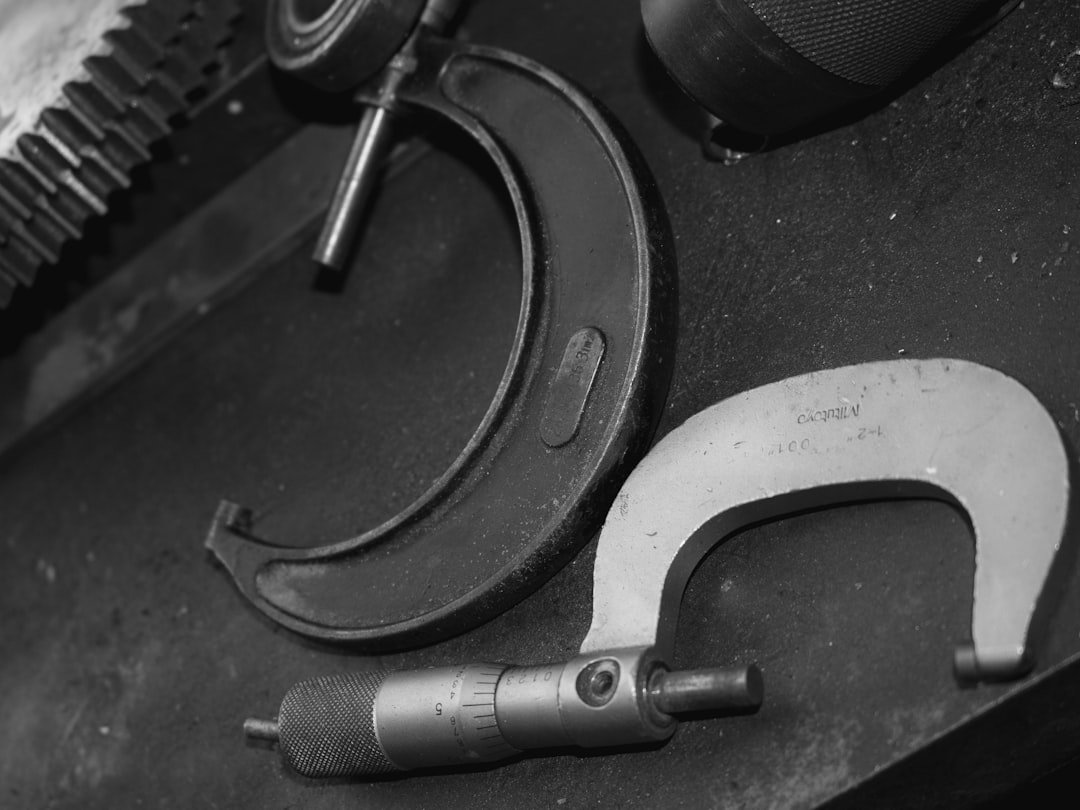
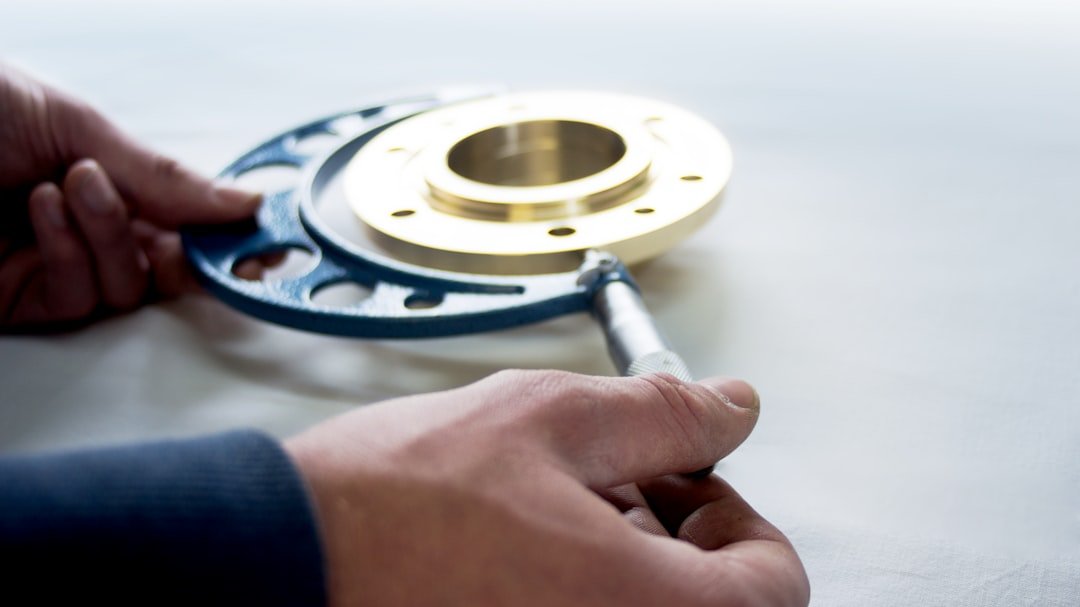
    A micrometer measuring tool used to check part thickness

    How to Inspect a Used Caliper

    • Check for brake fluid seeping around the piston seal — a leaking caliper is a brake failure already in progress.
    • Verify the caliper slides freely on its mounting hardware without binding or excessive play.
    • Inspect the brake line connection threads closely, since aluminum calipers are especially prone to thread damage.
    • Confirm all mounting hardware and pins are present and in usable condition, not just the caliper body itself.

    If a caliper has any doubt around it — a slow leak, stiff movement, or hardware that looks improvised rather than original — it’s one of the few brake components worth erring toward a fresh or rebuilt unit rather than gambling on a used one, given how directly it affects stopping power on one wheel.

    Precision measurement of a metal component

    Understanding DOT Brake Fluid Types

    Brake fluid isn’t universal, and using the wrong type can affect brake feel and even damage seals over time. Fluid standards are set by SAE International and referenced in U.S. federal motor vehicle safety standards as DOT 3, DOT 4, and DOT 5.

    TypeBaseNotes
    DOT 3Glycol-basedMost common in older and standard vehicles
    DOT 4Glycol-basedHigher boiling point; common in newer and performance vehicles
    DOT 5Silicone-basedNot compatible with DOT 3/4; used in specific applications only

    Check your owner’s manual for the correct type before topping off or bleeding your brake system, and never mix DOT 5 with DOT 3 or 4.

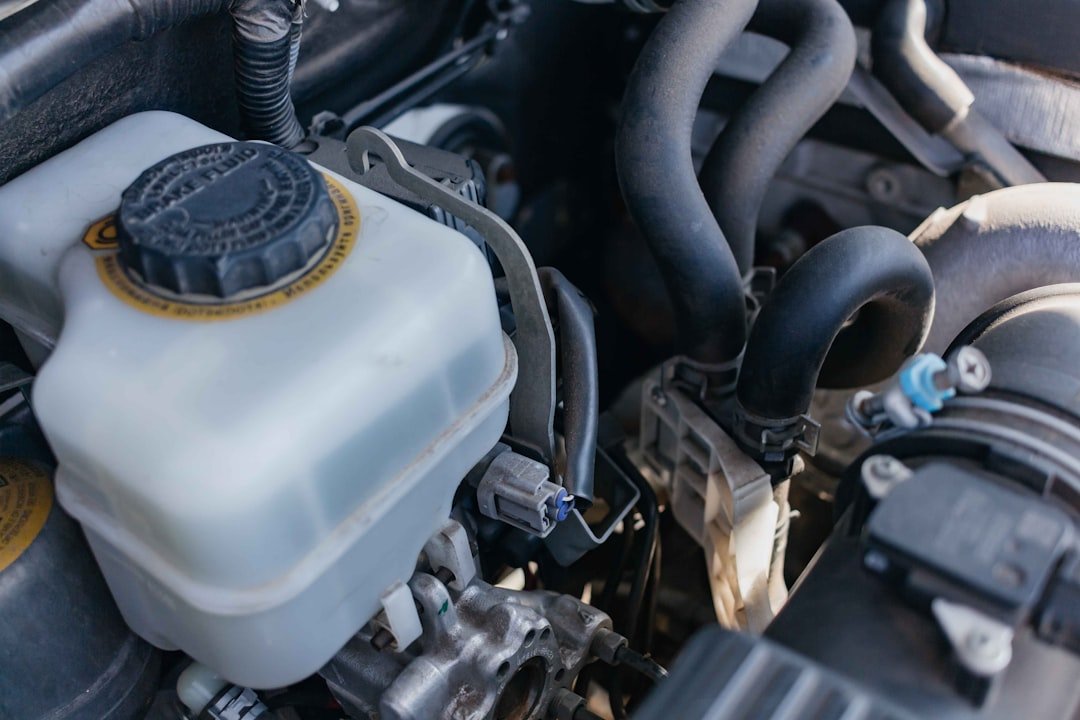
    Brake fluid reservoir cap in a vehicle engine bay

    Sourcing Tip: Where Good Used Brake Parts Come From

    Brake components from a vehicle that was rear-ended or had front-end collision damage are often untouched and in excellent condition, since the damage typically doesn’t affect the brake system at all. A knowledgeable parts counter can tell you what kind of damage a donor vehicle had, which is a useful question to ask.

    This is also why buying from a full-service yard has an advantage over a self-service pull: staff who process the vehicle can flag which components look untouched versus which ones show signs of prior wear, information you simply can’t get by pulling a part yourself off a random lot.

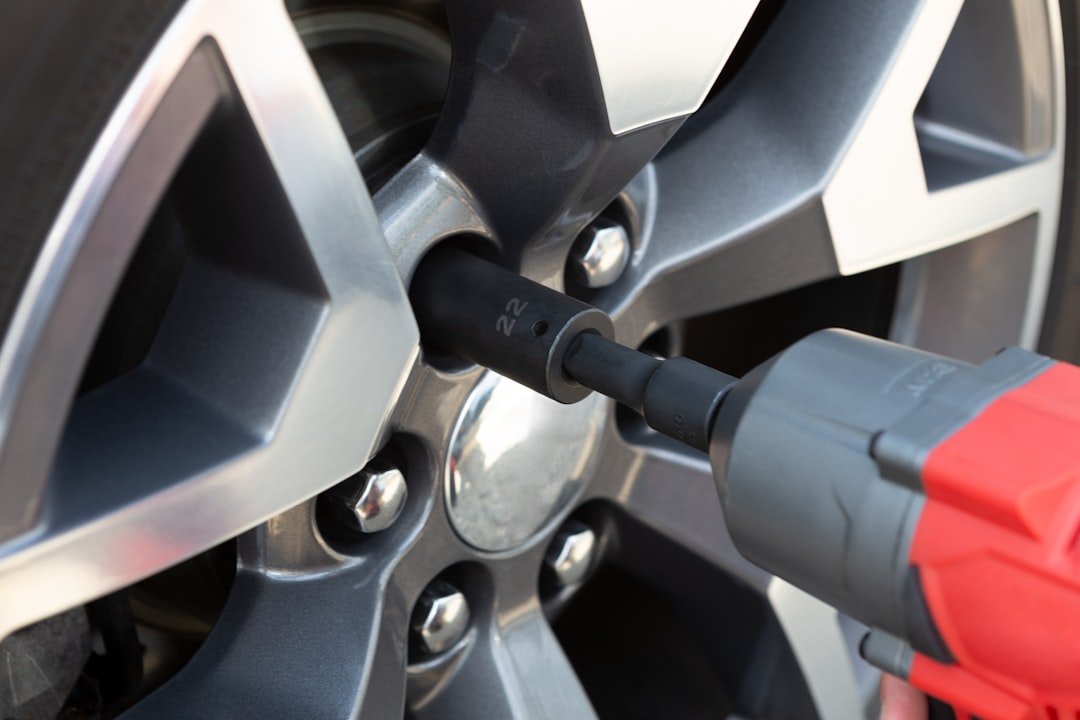
    Using a socket wrench to tighten a wheel lug nut

    Typical Costs: Used vs. New

    ComponentTypical Used PriceTypical New Price
    Rotor (each)$25–60$60–150
    Caliper (each)$40–100$100–250
    Brake pads (set)Not recommended used$30–120
    Master cylinder$50–120$150–350
    Working on brake line connections under a vehicle

    Brake Squeal, Grinding, and What Each Noise Means

    A high-pitched squeal when braking is often intentional: many pads include a small metal wear indicator designed to make noise once the pad material gets thin, as an early warning before metal touches metal. A grinding or growling sound is a different story, usually meaning the pads are already worn through and the caliper is biting directly into the rotor, which causes rapid rotor damage and should be addressed immediately rather than driven on.

    A pulsing sensation in the brake pedal, as opposed to a noise, usually points to a warped rotor rather than a pad issue, and is a good reason to have the rotor thickness and runout checked even if the pads themselves still have life left.

    Where Englewood Used Auto Parts Fits In

    Every brake component we sell is disassembled, cleaned, and tested before it’s cataloged, and it’s backed by a warranty. Browse our used auto parts inventory or call ahead with your VIN to confirm current availability.

    We’ve cataloged brake components by make, model, and year since 1983, so our parts counter can typically confirm fitment and answer condition questions in the same call. Comparing your options? Our junkyard vs. used auto parts store guide explains why a tested, warrantied part is worth it for safety-critical components like brakes. If you’re hearing a hum or growl rather than a squeal or grind, our wheel bearing and hub assembly guide covers that separate diagnosis.

    Frequently Asked Questions

    Is it safe to buy used brake rotors?

    Yes, provided you measure thickness against the manufacturer’s minimum spec and check for scoring, pitting, or a raised lip on the edge. A rotor within spec and free of damage performs the same as new.

    Should I buy used brake pads?

    Generally no. Pads are a wear item with limited remaining life, and new pads are inexpensive enough that the savings on used ones rarely justify the reduced remaining lifespan.

    What is the difference between DOT 3 and DOT 4 brake fluid?

    Both are glycol-based, but DOT 4 has a higher boiling point, making it more resistant to brake fade under heavy use. Always use the type specified in your owner’s manual.

    How do I know if a used caliper is safe to install?

    Check for fluid leaks around the piston seal, confirm it slides freely on its mounting hardware, and inspect the brake line threads for damage. A reputable seller should test calipers before resale.

    Do used brake parts come with a warranty?

    Reputable sellers typically back rotors, calipers, and other tested components with a 30 to 90 day warranty. Always confirm coverage before you buy, especially for safety-critical parts.

    Can brake parts from a collision-damaged vehicle be trusted?

    Often, yes. If the collision damage was to the front or rear of the vehicle away from the brake system, the brakes themselves are frequently untouched and in good condition. A reputable seller can tell you the nature of the donor vehicle’s damage.

    Not sure how to read your VIN? Our VIN and vehicle compatibility guide covers where to find it and what it tells a parts counter.

    Brakes aren’t the only undercar system worth inspecting closely on a used vehicle. Our used suspension parts buying guide covers the symptoms and inspection checklist for struts, shocks, and control arms.

    Winter driving puts extra demand on a marginal brake system. Our winter car prep checklist covers the other systems worth checking before cold weather arrives.

    What does grinding mean when I brake?

    Grinding usually means the pads are worn through and the caliper is contacting the rotor directly, causing rapid rotor damage. This should be addressed immediately rather than driven on.

    Not sure which brake parts fit your vehicle? Contact our parts counter with your year, make, and model, and we’ll confirm availability and condition before you buy.

  • Used Radiator Buying Guide: Inspection, Coolant Types, and Cost

    Used Radiator Buying Guide: Inspection, Coolant Types, and Cost

    An overheating engine is one of the fastest ways to turn a small repair into a major one, which makes the radiator a part worth getting right the first time. A used radiator can save real money over new, but unlike a lot of parts, you genuinely cannot always tell whether it works just by looking at it.

    This guide covers what actually causes radiators to fail, how to inspect one before you buy, what a fair price looks like, and a coolant compatibility detail most buying guides skip entirely.

    None of this requires special training. It just means asking the right questions and knowing what a few visual warning signs actually mean before you hand over payment.

    Why Radiators Fail

    Radiators typically fail one of three ways: internal corrosion that clogs the cooling passages, a physical crack or hole that causes a leak, or a bent/damaged core that reduces airflow and cooling efficiency. Knowing which failure mode you’re dealing with on your current radiator helps you inspect a replacement more effectively.

    Age and mileage matter less here than maintenance history. A radiator that’s had regular coolant flushes can outlast one half its age that’s been neglected, since corrosion builds up gradually inside passages you can’t see from the outside.

    If your engine has already overheated significantly before the radiator was diagnosed as the cause, it’s worth having a mechanic check for secondary damage — a head gasket or warped cylinder head can result from sustained overheating, and replacing just the radiator won’t fix those issues.

    Vehicle gauge cluster showing temperature readings

    Aluminum vs. Plastic Tank: What’s the Difference?

    Most modern radiators use an aluminum core with plastic end tanks, while older and heavy-duty vehicles sometimes use all-metal construction. This matters for a used purchase because the two designs fail differently.

    TypeCommon Failure PointWhat to Check
    Aluminum core / plastic tanksPlastic tank cracks or seal failure at the crimpInspect the tank-to-core seam closely for hairline cracks
    All-aluminum / all-metalCore corrosion, weld failureCheck welds and seams for repair marks or corrosion
    Close-up of engine bay hose connections

    A Coolant Compatibility Note

    Not all coolant is interchangeable. Modern coolants are generally categorized as IAT (older, green, silicate-based), OAT (orange or red, organic acid technology), or HOAT (hybrid, often yellow or pink). Using the wrong type — or mixing types — can cause corrosion inside a radiator that otherwise would have been fine.

    When you buy a used radiator, ask what coolant type it was last run with and flush the system fully before switching types. This is a detail most buying guides skip, but it directly affects how long your replacement radiator will last.

    If you don’t know which type your vehicle originally used, check the coolant reservoir cap or your owner’s manual rather than guessing by color alone — manufacturers don’t always follow the same color conventions, and using the wrong type can void a radiator’s warranty if the seller specified compatibility requirements.

    Detail of an engine component and hose connections

    How to Inspect a Used Radiator Before You Buy

    • Look for stripped or missing paint on the tanks and seams — leaking coolant strips paint over time, so bare metal is a red flag.
    • Check for greenish-black discoloration, a sign of corrosion from prolonged moisture exposure.
    • Inspect the cooling fins for bent or crushed sections, which reduce airflow and cooling efficiency even without a leak.
    • Ask whether the radiator has been pressure-tested, not just visually inspected — a pressure test catches small leaks a visual check will miss.
    • Confirm the radiator matches your vehicle’s engine size, not just the model name, since larger engines often use a different radiator.

    If a seller can’t or won’t answer these questions specifically, that’s worth treating as a warning sign on its own — a reputable parts counter should have this information on file, not just a part sitting on a shelf.

    A pressure gauge used to test a vehicle cooling system

    Typical Costs: Used vs. New

    Pricing depends on vehicle size and radiator design, but these ranges hold for most standard passenger vehicles.

    SourceTypical PriceTypical Warranty
    Used, tested$50–12030–90 days
    New aftermarket$120–2501 year
    New OEM$200–450+Manufacturer warranty

    Coolant Disposal Matters Too

    Old coolant shouldn’t go down a drain or into the trash. According to the EPA, used antifreeze can be recycled to remove contaminants and reused, and many auto shops accept it for proper disposal when you have a radiator replaced.

    A well-stocked auto repair shop interior

    Where Englewood Used Auto Parts Fits In

    Every radiator we sell is disassembled, cleaned, and pressure-tested before it’s cataloged by make, model, and year, and it’s backed by a warranty. Browse our used auto parts inventory or call ahead with your VIN to confirm what’s currently in stock.

    We’ve cataloged cooling system components since 1983, so our parts counter can typically confirm fitment and current availability in the same call, without you needing to guess at compatibility on your own. If the issue turns out to be the pump rather than the radiator itself, our water pump buying guide covers the symptoms and testing to check.

    Dealing with an overheating issue that might be more than just the radiator? Our guide to choosing a used engine covers what to check if the damage has already reached the engine, and our junkyard vs. used auto parts store guide explains why a pressure-tested part is worth the difference over an untested pull. If you’re also due for a brake job, our used brake parts buying guide covers which components make sense to buy used. A leaking heater core can also cause a mysterious drop in coolant level with no visible external leak; our HVAC blower motor and heater core guide covers that separate diagnosis.

    Frequently Asked Questions

    How do I know if my radiator needs replacing?

    Signs include visible leaks, stripped paint from prolonged leaking, an overheating engine with no other obvious cause, or a mechanic confirming reduced coolant flow during a pressure test.

    Can I mix different types of coolant?

    No. Mixing IAT, OAT, and HOAT coolant types can cause chemical reactions that lead to corrosion or gel formation inside the cooling system. Flush the system fully when switching types.

    Do used radiators come with a warranty?

    Reputable sellers typically offer 30 to 90 days, covering leaks or failure. Always confirm whether the radiator was pressure-tested before sale, not just visually inspected.

    Is a used radiator as good as a new one?

    A properly tested used radiator in good condition can perform as well as new for a fraction of the cost. The key is confirming it was pressure-tested and inspecting for the warning signs covered above.

    How much does a radiator replacement typically cost?

    Parts alone typically range from $50 for a tested used unit to $450+ for new OEM, not including labor, which varies by vehicle and shop.

    What is the difference between aluminum and plastic radiator tanks?

    Most modern radiators pair an aluminum core with plastic end tanks, which are lighter and cheaper to manufacture but prone to cracking at the seam over time. All-aluminum or all-metal radiators are more durable but heavier and less common in newer vehicles.

    Not sure how to read your VIN? Our VIN and vehicle compatibility guide covers where to find it and what it tells a parts counter.

    A failing radiator can sometimes be a symptom of a bigger issue. Our used engine buying guide covers what to check if you suspect the problem goes beyond cooling.

    Another undercar part worth knowing about: our catalytic converter replacement guide covers theft prevention and what’s legal when it comes to replacement.

    Not sure which radiator fits your vehicle? Contact our parts counter with your year, make, and model, and we’ll confirm availability before you buy.
  • Used Toyota Parts Buying Guide: By Model, Hybrid Notes, and What to Check

    Used Toyota Parts Buying Guide: By Model, Hybrid Notes, and What to Check

    Toyota is one of the most common vehicles on the road, which is good news if you need a used part: high production volume means more donor vehicles, more available inventory, and often better pricing than less common makes. It also means a little model-specific knowledge goes a long way.

    This guide covers what to check before buying, which components tend to need replacing on specific Toyota models, and what to know if you’re shopping for a hybrid.

    Why Buy Used Toyota Parts?

    The main draw is cost: used parts typically run 30–70% less than new OEM equivalents, with the biggest savings on expensive components like engines and transmissions.

    Toyota’s reputation for longevity also works in your favor here. A high-mileage Toyota that’s been retired for cosmetic or unrelated mechanical reasons often has plenty of usable life left in its engine, transmission, and electronics, which is exactly the kind of donor vehicle a full-service yard sources from.

    PartTypical Used PriceTypical New OEM Price
    Alternator$60–150$250–450
    Used engine (complete)$900–2,400$4,500–7,500+
    Transmission$700–1,600$3,200–5,800
    Radiator$50–120$200–400
    ECU/ECM (crossover models)$150–350$600–1,200

    Common Toyota Models and What Typically Needs Replacing

    Toyota’s lineup spans compact cars, hybrids, and crossovers, and wear patterns differ by model. This isn’t a complete list, but it covers the most frequently requested parts by model type.

    Knowing which parts tend to fail on your specific model also helps you ask better questions at the counter — a seller who can immediately confirm whether a part matches your model’s known wear pattern is usually working from real inventory data, not just a general catalog.

    Model TypeCommonly Replaced PartsNotes
    Corolla / Camry (sedans)Alternators, headlight assemblies, radiatorsHigh production volume means strong used parts availability
    RAV4 / Highlander (crossovers/SUVs)ECU/ECM units, ABS pumps, transmissionsElectronics-related parts benefit from VIN-matched sourcing
    Prius / hybrid modelsHybrid battery packs, inverters, 12V auxiliary batteriesRequires hybrid-specific handling; see note below
    Tacoma / Tundra (trucks)Suspension components, bumpers, bedsTowing and off-road use adds wear to suspension parts
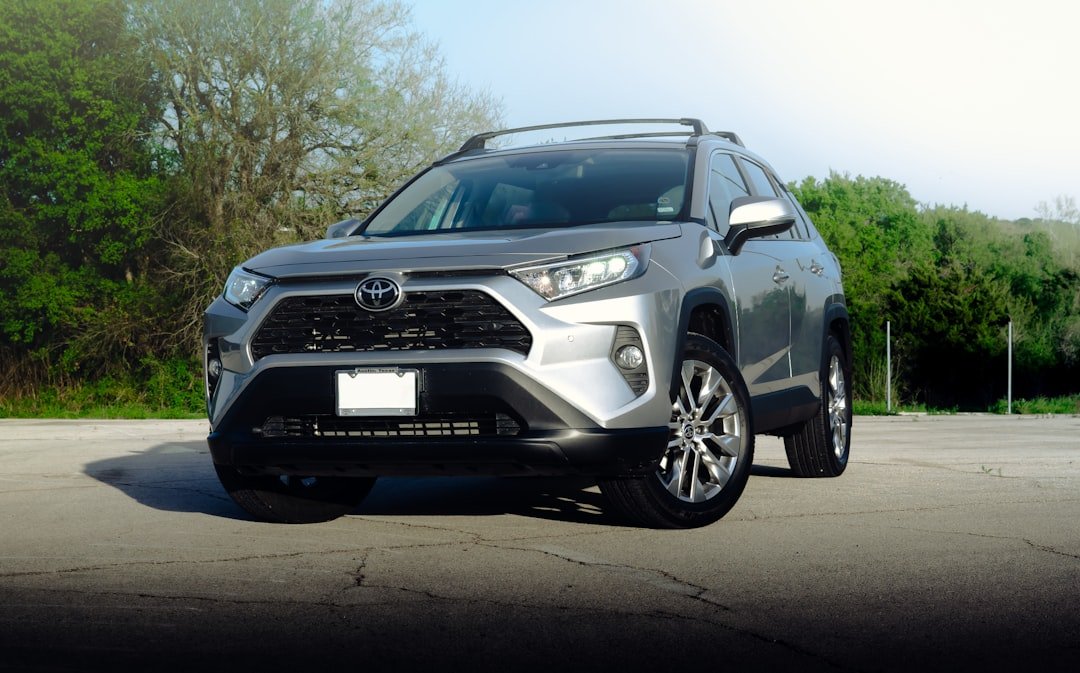
    Toyota RAV4, one of the most common crossover models serviced for used parts

    A Note on Hybrid Components

    If you’re shopping for parts for a Prius or another Toyota hybrid, the hybrid battery pack and related electronics are a different category from a standard combustion part. According to the U.S. Department of Energy’s Alternative Fuels Data Center, hybrid battery packs are generally designed to last the life of the vehicle, but they do degrade gradually and can eventually need replacement or reconditioning.

    A used hybrid battery should be tested for remaining capacity before purchase, not just visually inspected. Ask specifically whether the seller has bench-tested the pack’s charge capacity, since a battery that looks fine can still have significantly reduced range.

    Reconditioned hybrid battery packs, where individual weak cells are identified and replaced, have also become a common middle-ground option between a full used pack and an expensive new one. If a seller offers reconditioning, ask what testing was done on the specific cells that were replaced versus the ones that were kept.

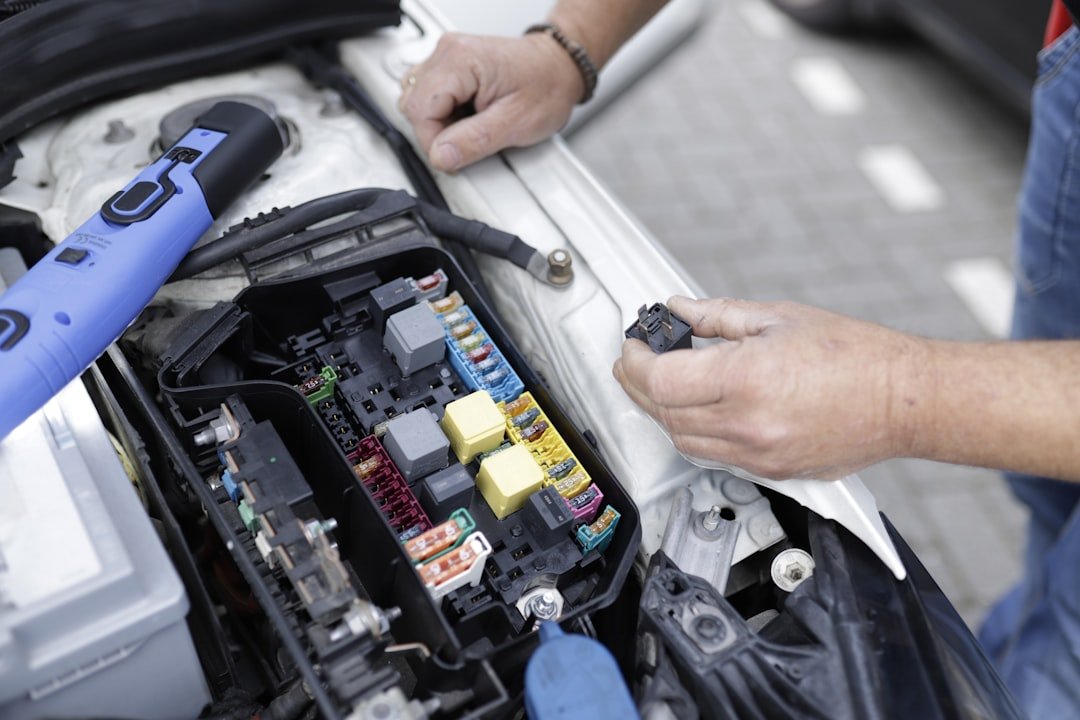
    Inspecting a vehicle electrical fuse and relay panel

    How to Verify Compatibility Before You Buy

    1. Locate your Toyota’s VIN on the dashboard at the base of the windshield or the driver’s door jamb.
    2. Note your exact trim and engine size — Toyota often runs multiple engine options within the same model year.
    3. Share the VIN with the parts counter so they can cross-reference it against the donor vehicle.
    4. For electronic components like an ECU, confirm the part was pulled from a vehicle with a matching trim, since programming can be vehicle-specific.

    This step matters more for Toyota than some other brands, since a single model name can span multiple engine sizes, trim-specific wiring, and regional spec differences across a production run.

    Mechanic using a diagnostic scanner on a vehicle

    What to Inspect Before You Buy

    • Ask for the donor vehicle’s mileage, especially for engines, transmissions, and hybrid components.
    • Check for fluid leaks, corrosion, or physical damage on any part you can inspect directly.
    • Request a diagnostic scan result for electronic components rather than relying on a visual check alone.
    • Confirm the part was cleaned and tested before being tagged for resale.
    • For suspension and body parts on trucks like the Tacoma or Tundra, ask whether the donor vehicle saw regular towing or off-road use, since that accelerates wear on those specific components.

    A reputable parts counter should be able to answer all of these questions from their own records, not just a visual look at the part in front of you.

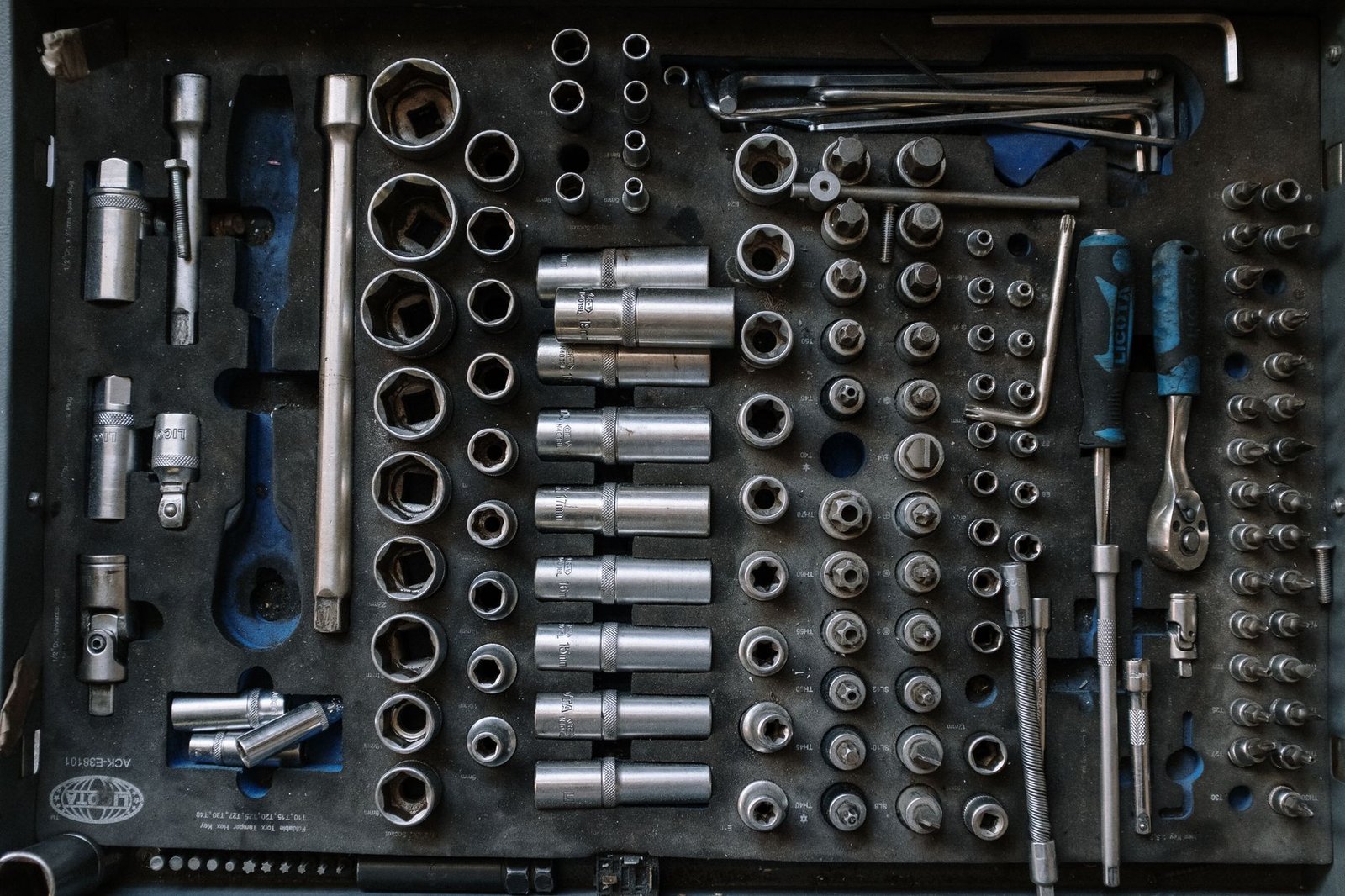
    An organized toolbox drawer with sockets and wrenches

    Toyota’s Known Reliability Trade-Offs

    Toyota’s reputation for longevity is well earned, but it isn’t uniform across every system. Water pumps and timing components on some four-cylinder engines have a documented pattern of needing attention around the 90,000 to 120,000 mile mark, and older automatic transmissions in certain models can develop harsh shifting as internal seals age, even when the rest of the vehicle is in excellent shape. None of this undermines the brand’s overall track record, but it’s worth knowing before assuming every part from an older Toyota is problem-free simply because of badge reputation.

    This is exactly why asking about a specific donor vehicle’s maintenance history, not just its mileage, matters as much for a Toyota as for any other brand. A well-maintained high-mileage Toyota is a great source of parts; a neglected one with the same mileage is a different story entirely.

    Warranty Coverage

    A used part is only as good as the warranty behind it. See our warranty and shipping policy for details on coverage length and how to file a claim if something doesn’t hold up.

    A car key on a service counter

    Where Englewood Used Auto Parts Fits In

    We’ve cataloged used Toyota parts by make, model, and year since 1983, so cross-referencing a part by VIN is straightforward. Browse our used auto parts inventory or call ahead to check current availability.

    Every part is disassembled, cleaned, and tested before it’s cataloged, and we ship nationwide for customers outside the Chicago area. Locally, our parts counter can usually confirm within a few minutes whether a specific Toyota part is currently in stock.

    Shopping for a different make? Our used Nissan parts buying guide covers similar ground for Nissan models, and our junkyard vs. used auto parts store guide explains why a tested, warrantied part is often worth the difference over a self-service pull.

    A stock vehicle engine bay open for inspection

    Frequently Asked Questions

    Are used Toyota parts reliable?

    Yes, provided they come from a reputable seller that tests parts before resale. Toyota’s high production volume also means more donor vehicles, which tends to mean better availability and more consistent quality across sellers.

    Do I need special parts for a Toyota hybrid?

    Hybrid-specific components like the battery pack and inverter are different from standard parts and should be tested for remaining capacity, not just visually inspected, before you buy.

    How do I know if a used Toyota part will fit my vehicle?

    Cross-reference your VIN against the donor vehicle’s VIN. Toyota shares parts across trims and model years, but engine size and production date can affect fitment.

    What’s the most commonly replaced part on a Toyota RAV4?

    ECU/ECM units, ABS pumps, and transmissions are among the most frequently requested parts for the RAV4, based on typical salvage yard demand.

    Do used Toyota parts come with a warranty?

    Reputable sellers back their parts with a warranty covering defects for a set period after purchase. Always confirm coverage length and terms before buying.

    How much does a used hybrid battery cost compared to new?

    A used or reconditioned hybrid battery typically costs significantly less than a new replacement pack, though exact pricing varies by model and capacity. Ask for the specific tested capacity rather than comparing on price alone.

    Not sure how to read your VIN? Our VIN and vehicle compatibility guide walks through exactly what to check.

    Are there any known weak points on otherwise reliable Toyotas?

    Yes. Water pumps and timing components on some four-cylinder engines can need attention around 90,000 to 120,000 miles, and older automatic transmissions in certain models may develop harsh shifting as seals age. Maintenance history matters more than mileage alone.

    Have a Toyota part in mind? Contact our parts counter with your VIN, and we’ll confirm availability and pricing before you buy.
  • Used Transmission Buying Guide: Fluid Check, Cost, and Warranty

    Used Transmission Buying Guide: Fluid Check, Cost, and Warranty

    A transmission is one of the most expensive repairs a vehicle can need, which makes it one of the biggest reasons drivers shop used instead of new. It’s also one of the easiest parts to get wrong if you skip the inspection steps — a bad transmission is far more disruptive to swap twice than a bad alternator.

    Unlike smaller components, a transmission failure often means the vehicle is undrivable in the meantime, which adds time pressure to a decision that really benefits from careful inspection. Knowing what to check ahead of time keeps that pressure from turning into a second, avoidable repair.

    This guide covers what actually changes between automatic and manual units, how to read transmission fluid like a diagnostic tool, what a fair price looks like, and what warranty coverage should include before you buy.

    Signs You Actually Need a Transmission Replacement

    Not every transmission problem means a full replacement. Before you shop for a used unit, it’s worth ruling out cheaper fixes first.

    • Slipping between gears or delayed engagement can sometimes be resolved with a fluid change or filter replacement rather than a full swap.
    • Grinding or hard shifts in a manual are often the clutch, not the transmission itself — a much cheaper repair.
    • Warning lights and fault codes should be scanned by a mechanic first; some sensor issues mimic transmission failure without requiring replacement.
    • A transmission that’s leaking but otherwise shifting normally may just need a seal or gasket repair.

    If a mechanic has confirmed the transmission itself has failed internally — worn clutch packs, damaged gears, or a cracked case — that’s when shopping for a replacement unit makes sense.

    Automatic vs. Manual: What Changes When Buying Used

    The core inspection steps are similar for both, but what you’re checking for differs. Automatics depend heavily on fluid condition and electronic sensors; manuals depend more on mechanical wear in the clutch and synchros.

    Used automatics are also generally harder to find in good condition, since they’ve historically outnumbered manuals in daily-driver vehicles and see more stop-and-go duty cycles that stress the fluid and torque converter. A manual transmission with a worn clutch is often a cheaper, simpler fix than diagnosing an automatic with an intermittent electronic fault.

    FactorAutomaticManual
    Primary wear pointFluid condition, torque converter, solenoidsClutch, synchros, shift linkage
    Key inspectionFluid color and smell, electronic fault codesShift feel through all gears, clutch engagement
    Typical used priceHigher — more complex to test and rebuildLower — simpler mechanical design
    Common failure signSlipping, delayed engagement, warning lightsGrinding gears, slipping clutch, hard shifts
    Manual transmission gear shifter inside a vehicle

    How to Check Transmission Fluid Before You Buy

    Transmission fluid is the single best diagnostic tool available to you before a unit is even installed. Color and smell tell you almost everything about how the transmission was maintained.

    Fluid AppearanceWhat It Likely MeansWhat To Do
    Pink to light red, clean smellHealthy, well-maintained fluidGood sign — proceed with other checks
    Light brown, slightly wornAging fluid, still functionalAcceptable, but ask about maintenance history
    Dark brown or blackOverdue for service or overheatedAsk about the cause before buying
    Burnt smellLikely internal overheating damageWalk away or ask for a different unit
    Milky or cloudyCoolant contaminationDo not buy — indicates internal failure
    Close-up of transmission gear components

    What to Inspect Beyond the Fluid

    • Ask for the donor vehicle’s mileage and, if available, its maintenance records.
    • Check the case for cracks, leaks, or repair welds.
    • For automatics, ask whether the unit has been bench-tested or dyno-tested rather than just visually inspected.
    • For manuals, ask about clutch wear specifically — it’s a wear item that may need replacing even on an otherwise good transmission.
    • Confirm the transmission was pulled from a vehicle with a matching engine and drivetrain configuration, not just the same model name.
    Mechanic reviewing an inspection checklist

    Typical Costs: Used vs. Rebuilt vs. New

    Pricing varies significantly by vehicle and transmission type, but these ranges hold for most standard passenger vehicles.

    SourceTypical PriceTypical Warranty
    Used, tested$600–1,50030–90 days
    Rebuilt/remanufactured$1,200–2,5001–3 years
    New OEM$3,000–5,500+Manufacturer warranty

    According to ATRA, the trade association for transmission rebuilders, a professionally tested or rebuilt unit reduces the risk of comeback failures compared to an untested used unit — part of why rebuilt units carry a longer warranty at a higher price point.

    Mechanic inspecting a vehicle undercarriage on a lift

    Warranty Coverage

    A transmission warranty should specify what’s covered (the whole unit or specific components), how long it lasts, and whether labor is included if it needs to come back out. Get this in writing before you buy, not after installation.

    It’s also worth asking whether the warranty is void if a shop other than the seller performs the installation. Some sellers require their own installer or an approved shop to keep coverage valid, which matters if you’re planning to install the transmission yourself or use an independent mechanic.

    A handshake confirming a parts purchase agreement

    Where Englewood Used Auto Parts Fits In

    Every transmission we sell is disassembled, cleaned, and tested before it’s cataloged by make, model, and year, and it’s backed by a warranty. Browse our used auto parts inventory or call ahead with your VIN to confirm what’s currently available.
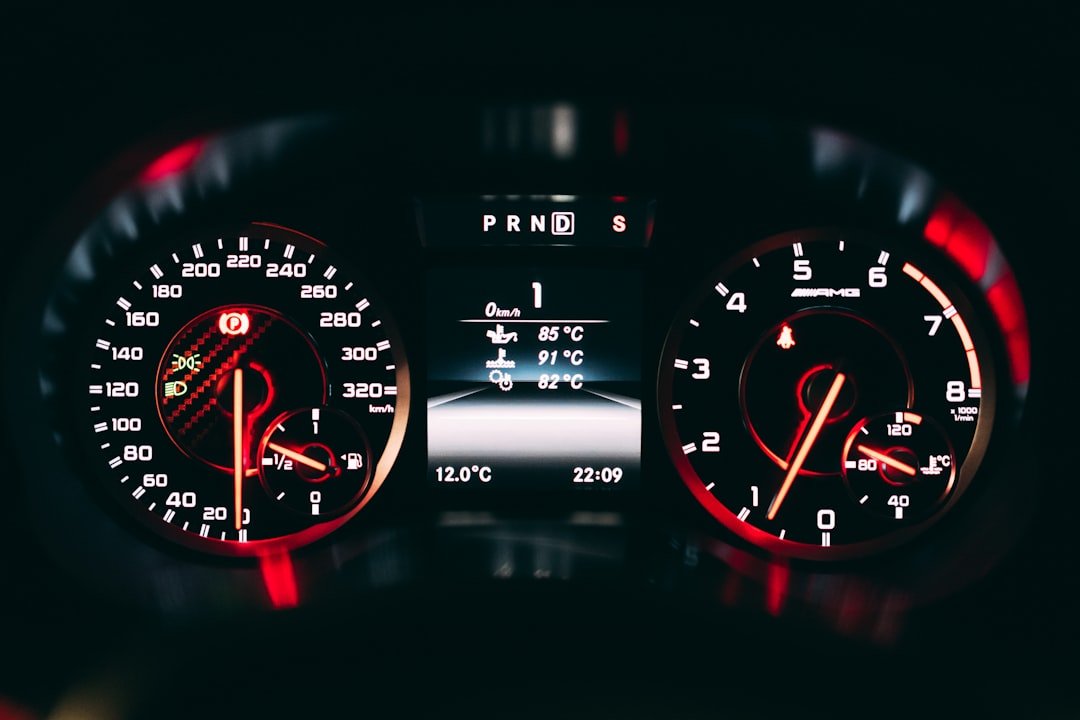
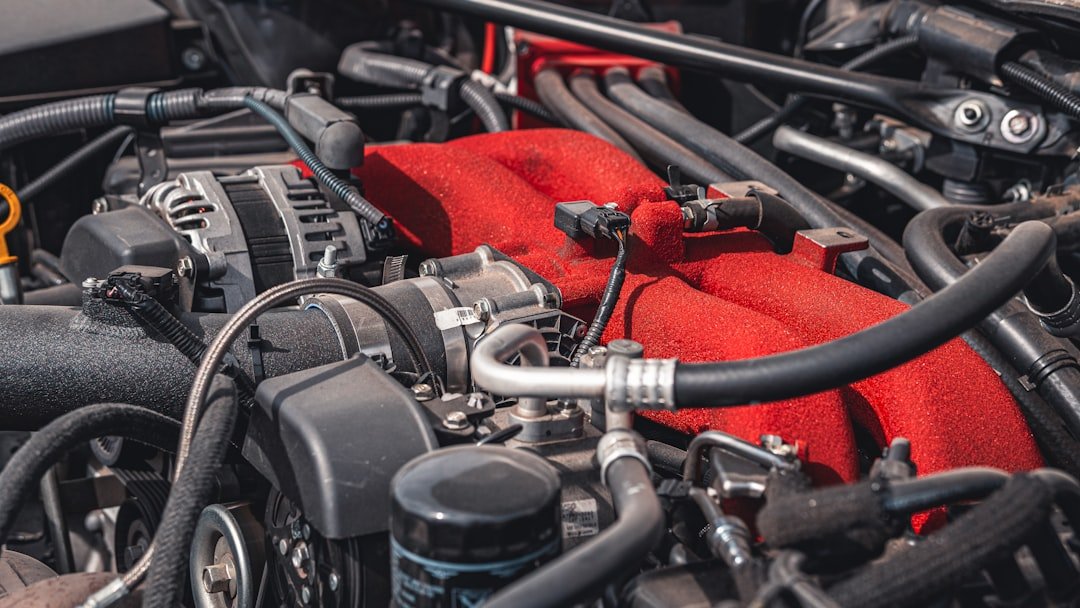
    Comparing your options? Our junkyard vs. used auto parts store guide covers the tradeoffs between a self-service pull and a tested, warrantied unit like ours. If you’re also considering a full engine swap, how to choose the right used engine covers those additional questions.

    We’ve cataloged transmissions and other drivetrain components since 1983, so our parts counter can typically confirm compatibility by VIN and check current stock in the same call. If you’re dealing with a dual-clutch transmission shudder on a Hyundai or Kia specifically, our Hyundai & Kia parts guide covers that issue in more depth.

    Frequently Asked Questions

    How long do used transmissions typically last?

    A well-tested used transmission installed correctly can last as long as the original, often 100,000+ miles, though this depends heavily on the donor vehicle’s mileage and maintenance history.

    What color should healthy transmission fluid be?

    Pink to light red with a clean smell is the sign of healthy fluid. Dark brown, black, or burnt-smelling fluid usually indicates neglect or internal damage.

    Is a rebuilt transmission better than a used one?

    A rebuilt transmission has had worn components replaced and been tested, so it typically carries a longer warranty than a plain used unit — at a higher price. A tested used transmission is a reasonable middle ground on cost.

    Can I install a used transmission myself?

    It’s possible with the right tools and experience, but transmissions are heavy and the installation involves electrical and hydraulic connections. Many buyers have a shop handle installation even when they source the part themselves.

    Do used transmissions come with a warranty?

    Reputable sellers typically offer 30 to 90 days at minimum, with rebuilt units often covered longer. Always confirm coverage in writing before buying.

    Do I need a new transmission, or can it be repaired?

    Not always. Slipping, fluid leaks, and some fault codes can sometimes be resolved with a fluid change, seal replacement, or clutch service. A mechanic should confirm internal failure before you shop for a full replacement.

    Not sure how to read your VIN? Our VIN and vehicle compatibility guide covers where to find it and what it tells a parts counter.

    Shopping for a transmission often means shopping for an engine too. Our used engine buying guide covers mileage expectations, inspection points, and what a compression test tells you.

    Shopping for a Honda transmission specifically? Our used Honda parts guide covers the models and model years with known transmission issues.

    Shopping for a Ford transmission specifically? Our used Ford parts guide covers the well-documented PowerShift transmission issue on 2011-2016 Focus and Fiesta models.

    Shopping for a Chevy or GM transmission specifically? Our used Chevrolet & GM parts guide covers the well-documented “Chevy Shake” issue on 2015-2018 models.

    Have a transmission question specific to your vehicle? Contact our parts counter with your year, make, and model, and we’ll help you find the right fit.