
Category: Buying Guides

  • Used Mirrors & Window Regulators Buying Guide

    Used Mirrors & Window Regulators Buying Guide

    A cracked side mirror or a window that won’t roll up are two of the most common reasons drivers end up at a salvage yard counter. Both are also two of the more affordable used parts to replace, especially compared to ordering new from a dealer, as long as you know what to check before you buy.

    This guide covers common mirror and window regulator failures, what to check before buying a used one, and what fair pricing looks like across the range of features modern vehicles include.

    Side Mirrors: What Usually Fails

    ComponentCommon SymptomWhat Causes It
    Mirror glassCracked, shattered, or delaminated (silver backing peeling)Impact damage, road debris, or age-related delamination
    Mirror motorMirror won’t adjust electrically, or adjusts slowly/partiallyWorn or failed adjustment motor inside the housing
    Turn signal indicator (if equipped)Signal light doesn’t illuminate on one sideFailed LED module or a broken wiring connection
    Housing/mountingMirror is loose, rattles, or won’t stay foldedCracked mounting bracket, often from an impact
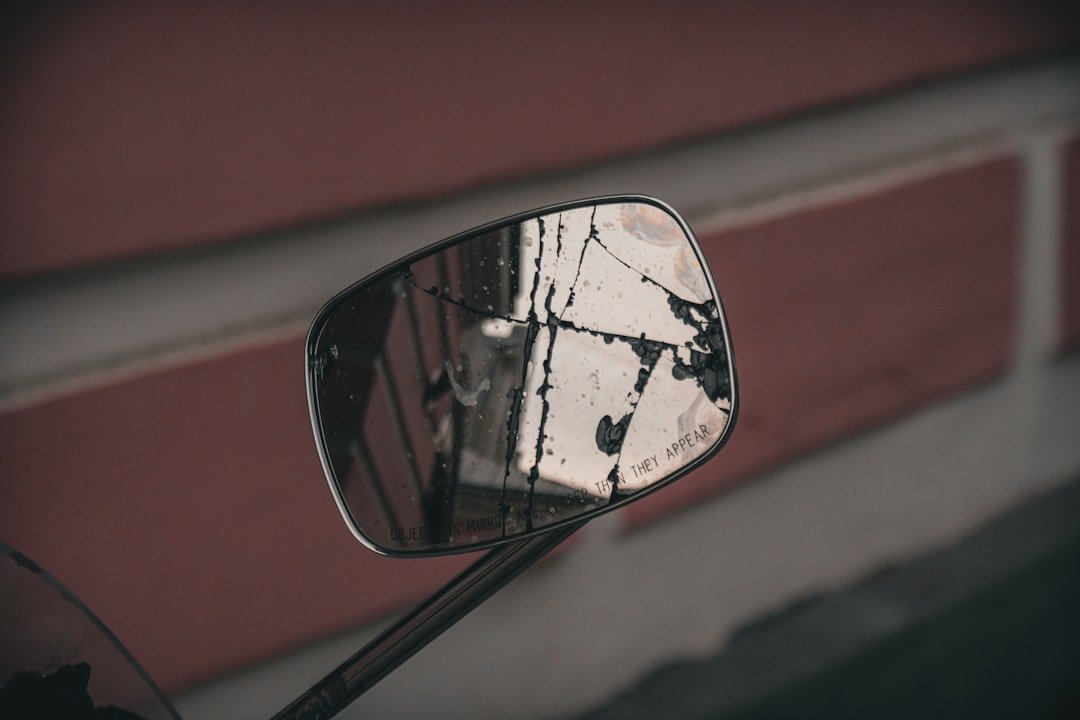
    A cracked car side mirror

    Window Regulators: What Usually Fails

    The window regulator is the mechanism inside the door that raises and lowers the glass, typically driven by an electric motor on modern vehicles. When a window stops working, the cause is usually one of three things: a failed motor, a broken regulator mechanism (often a snapped cable or stripped gear), or a failed switch. A window that moves slowly, makes grinding noises, or drops suddenly when you try to raise it is showing classic regulator symptoms rather than a motor problem.
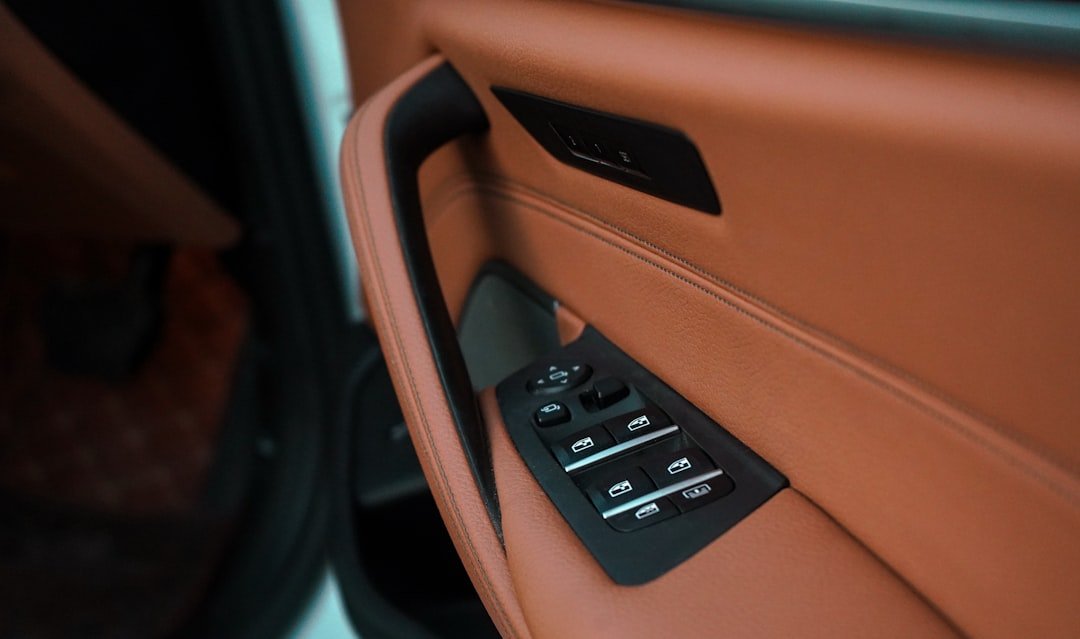
    A power window and mirror switch panel on a car door

    Diagnosing Which Part Actually Failed

    Before buying a replacement, it helps to narrow down whether the problem is the motor, the regulator mechanism, or the switch itself. If you can hear the motor humming but the glass doesn’t move, the regulator mechanism itself (the cables, gears, or scissor arm) has likely failed. If you hear nothing at all when you press the switch, the problem is more likely the motor, the switch, or a blown fuse. Testing the switch with a known-good window on the same vehicle, if available, is one of the simplest ways to rule it out before ordering a part.
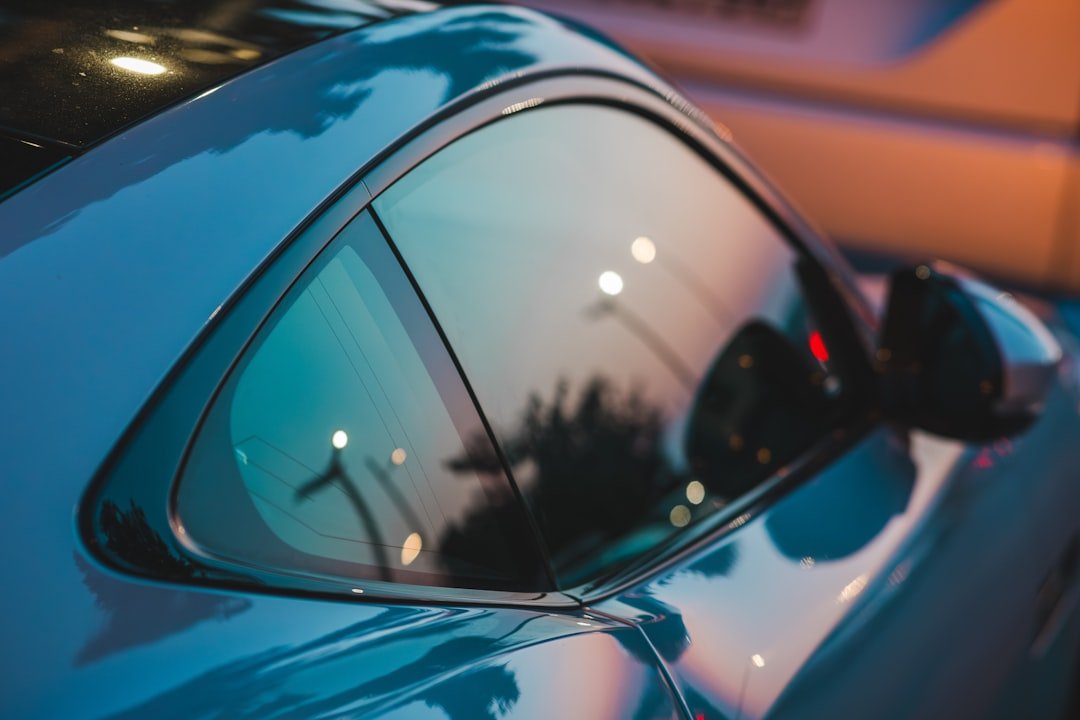
    A car window and side mirror closeup

    Heated and Auto-Dimming Mirrors: Extra Features Worth Confirming

    Many mid-tier and higher trims add features to the standard side mirror: heating elements to clear frost and condensation, auto-dimming glass to reduce headlight glare at night, memory positioning tied to a key fob, or blind spot warning indicators built into the housing. Each of these adds wiring and electronics that a base mirror doesn’t have, and none of it is visible from the outside without close inspection or checking the vehicle’s build sheet.

    If your vehicle has any of these features, a base mirror pulled from a lower trim will physically bolt on in some cases but won’t have matching functionality, and in other cases won’t be wired correctly at all. Always confirm feature parity with your seller, not just the physical mirror shape, before assuming a used part is a drop-in match.

    Why Window Regulators Fail More Often Than You’d Expect

    Window regulators see constant mechanical stress every time the window moves, and the cables or gears inside wear gradually long before most drivers notice a problem. Cold weather makes this worse: stiffened grease and any existing wear in the mechanism combine to increase the load on the motor right when a component is already at its weakest, which is part of why regulator failures cluster noticeably in the fall and winter months.

    Regularly operating windows fully up and down, even in cold weather, and avoiding forcing a window that feels like it’s sticking can meaningfully extend a regulator’s service life. If a window is already moving slowly or unevenly, it’s worth addressing before it fails completely and leaves the glass stuck down, which creates its own security and weather-sealing problems.

    What to Check Before Buying a Used Mirror or Window Regulator

    • Confirm the exact side (driver or passenger) and whether your vehicle has power-fold, heated, or turn-signal features, since these all affect part compatibility.
    • For a used mirror, check the glass for delamination and confirm the adjustment motor was tested, not just the housing inspected.
    • For a used window regulator, ask whether it was tested through a full up-and-down cycle, not just visually inspected.
    • Confirm whether your vehicle’s regulator is a cable type or a scissor-arm type, since replacement parts are not interchangeable between the two designs.
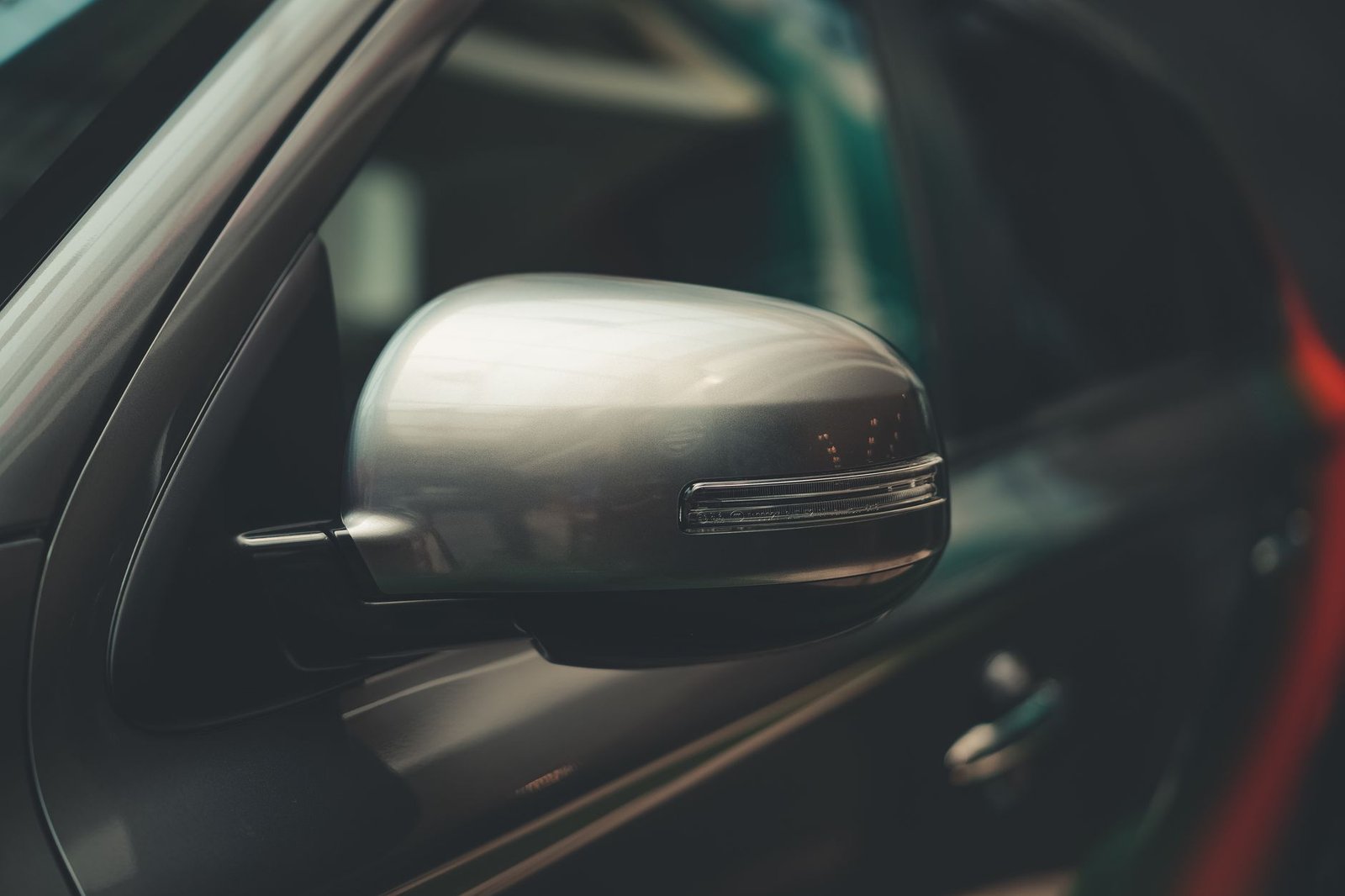
    A car side mirror housing closeup

    Typical Costs: Used vs. New

    PartTypical Used PriceTypical New/Dealer Price
    Side mirror assembly (manual)$25–60$80–180
    Side mirror assembly (power, heated)$50–120$180–400
    Window regulator with motor$40–90$150–350
    Window switch panel$20–50$60–150

    Warranty Coverage

    Reputable sellers typically offer 30 to 90 days on used mirrors and window regulators. For a power mirror or regulator, ask specifically whether it was tested electrically, not just visually inspected, since a part that looks fine can still have a failed motor.
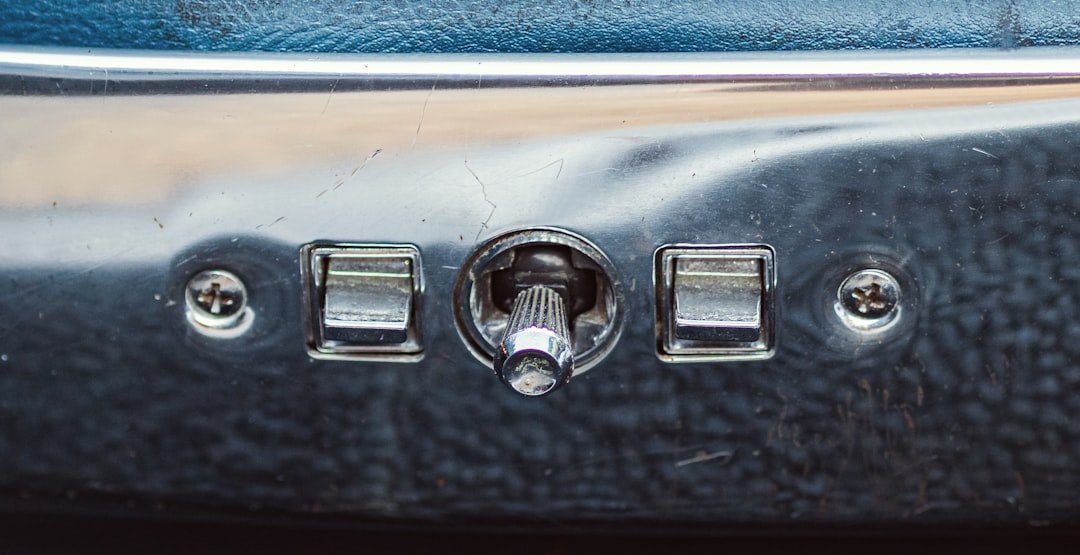
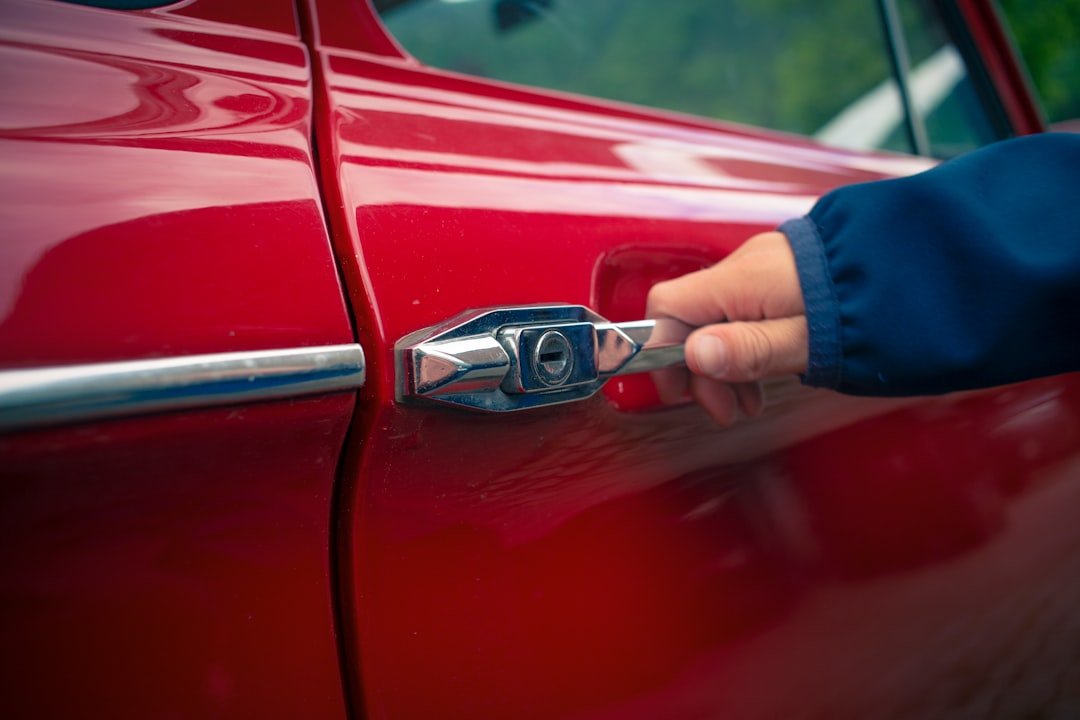
    A vintage car door lock mechanism

    Where Englewood Used Auto Parts Fits In

    We stock used mirrors and window regulators tested for motor function before they’re cataloged by make, model, and side, and backed by a warranty. Because these parts come off donor vehicles with a wide range of trim levels, we can often match your exact feature set, heated, auto-dimming, or otherwise, rather than settling for a base part that doesn’t quite fit your needs. Browse our used auto parts inventory or call ahead with your VIN to confirm current availability.

    Not sure how to confirm your VIN before ordering? Our VIN and vehicle compatibility guide covers exactly what to check, including confirming the exact side and feature set for parts like these, so you don’t end up with a part that fits physically but doesn’t match your trim’s electronics. A mismatched switch pattern or connector is one of the most common reasons an otherwise correct part doesn’t work right away. Window regulators are a particularly well-known wear item on Volkswagen models; our Volkswagen parts guide covers what tends to fail and why.

    Frequently Asked Questions

    How do I know if my window regulator or motor failed?

    If you can hear the motor humming but the glass doesn’t move, the regulator mechanism has likely failed. If you hear nothing when you press the switch, the problem is more likely the motor, the switch, or a blown fuse.

    Can I just replace the mirror glass instead of the whole mirror?

    On some vehicles, yes, the glass alone can be replaced if the housing and motor are otherwise fine. On others, the glass is bonded or integrated in a way that makes replacing the full assembly more practical.

    How do I know if a used mirror or window regulator will fit my vehicle?

    Confirm the exact side and feature set (heated, power-fold, turn signal), since these vary even within the same model year. Cross-reference your VIN against the seller’s inventory.

    Do used mirrors and window regulators come with a warranty?

    Reputable sellers typically offer 30 to 90 days. For power components, ask whether the part was tested electrically, not just visually inspected.

    Are all window regulators the same design?

    No. Some use a cable-driven mechanism and others use a scissor-arm design, and the two are not interchangeable. Confirm which type your vehicle uses before ordering.

    Not sure which mirror or regulator fits your vehicle? Contact our parts counter with your year, make, model, and side, and we’ll confirm availability and condition before you buy.
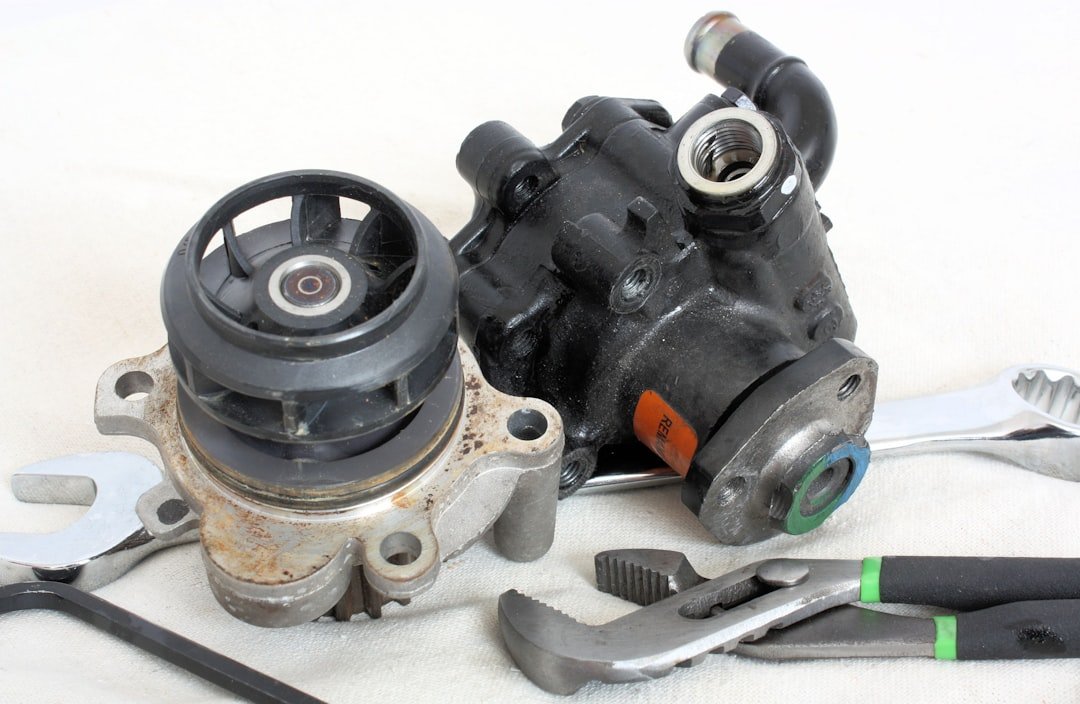
  • Used Water Pump Buying Guide: Symptoms, Testing, and Cost

    Used Water Pump Buying Guide: Symptoms, Testing, and Cost

    A failed water pump is one of the more urgent repairs you can face, since it directly controls how coolant circulates through the engine. Catch it early and it’s a straightforward, affordable fix. Ignore the warning signs and you’re looking at a much more expensive overheating repair, potentially including a warped cylinder head or a blown head gasket if the engine runs hot for long enough.

    This guide covers what a water pump does, the symptoms of a failing one, what to check before buying a used pump, and what fair pricing looks like.

    What a Water Pump Does

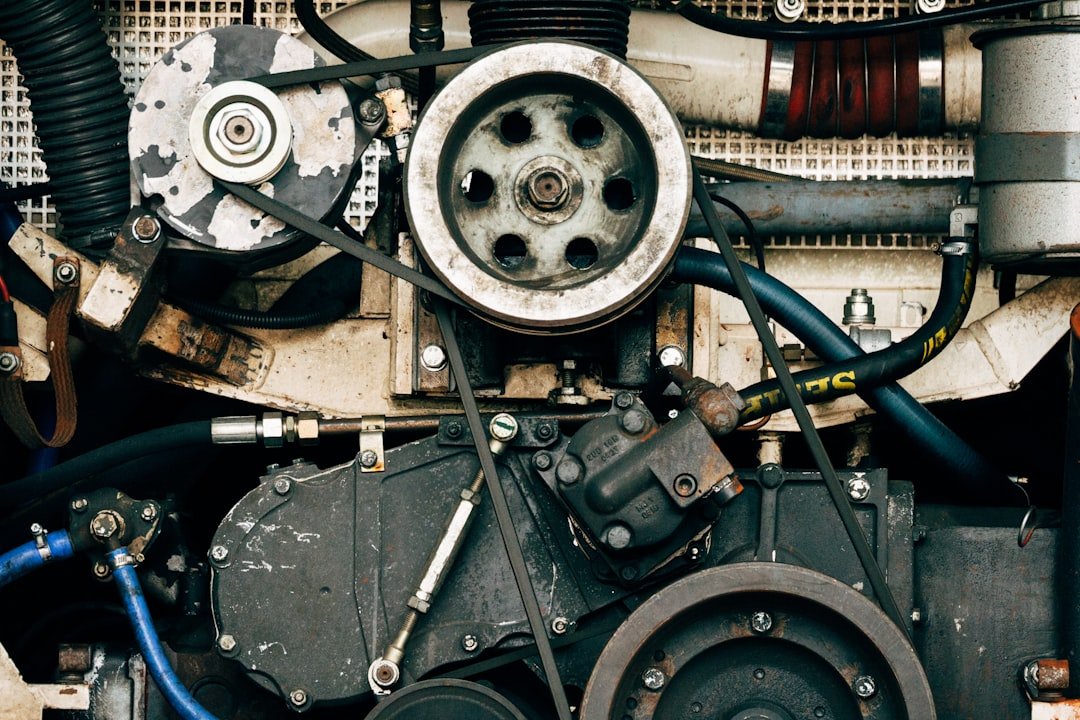
    The water pump circulates coolant between the engine block and the radiator, keeping combustion heat from building up to damaging levels. Most water pumps are driven by the serpentine belt, timing belt, or timing chain, depending on the vehicle, and use an internal impeller, a small fan-like wheel, to push coolant through the system.

    A pulley and belt system in an engine bay

    Common Symptoms of a Failing Water Pump

    SymptomLikely CauseUrgency
    Coolant leak from the front-center of the engineWorn shaft seal allowing coolant to escapeHigh — address before it leads to overheating
    Whining or grinding noise from the front of the engineWorn or failing bearing inside the pumpHigh — bearing failure can lead to complete pump failure
    Engine overheating with no other obvious causeImpeller has corroded or come loose, reducing coolant flowHigh — can cause serious engine damage if ignored
    Steam or a sweet smell from under the hoodCoolant leaking onto hot engine componentsHigh — stop driving and have it inspected
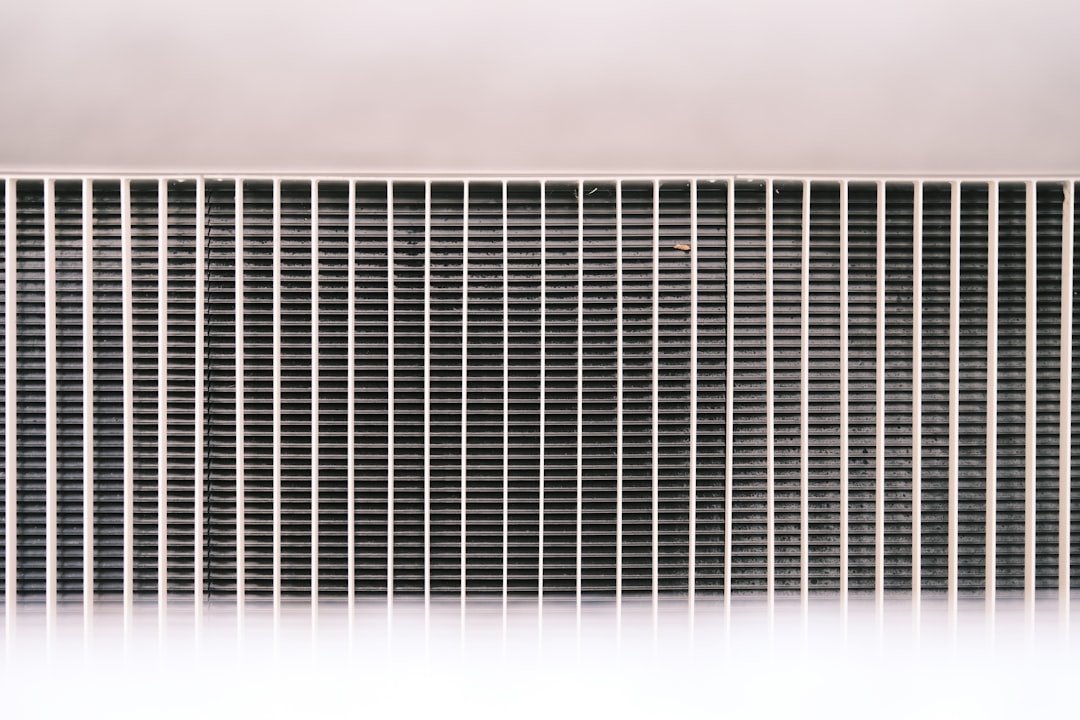
    Closeup of a radiator's cooling fins

    Timing Belt-Driven Water Pumps: A Special Consideration

    On many vehicles, the water pump is driven by the timing belt rather than the serpentine belt, and on some of these, the water pump is located inside the timing belt cover itself. If your vehicle falls into this category, it’s common practice, and often recommended by the manufacturer, to replace the water pump at the same time as the timing belt, since the labor to access both components is largely the same. Ask your seller whether your vehicle uses this configuration, since it changes the cost-benefit calculation on when to replace the pump.

    Mechanical vs. Electric Water Pumps

    Most vehicles use a mechanical water pump driven directly by a belt or chain off the engine, meaning it always spins at a speed proportional to engine RPM. A growing number of newer vehicles, including many hybrids and some turbocharged gas engines, use an electric water pump instead, controlled independently by the engine computer. Electric pumps allow coolant to keep circulating even when the engine itself isn’t running, which matters for hybrids that shut the engine off at stoplights, and for turbocharged engines that benefit from continued cooling after a hard drive even once parked.

    If you’re shopping for a used water pump on a newer or hybrid vehicle, confirm whether you need a mechanical or electric pump before you buy, since the two are not interchangeable and electric units typically cost more due to their integrated electronics.

    How Long Should a Water Pump Last?

    Most water pumps are designed to last somewhere between 60,000 and 100,000 miles, though this varies significantly by vehicle and driving conditions. Pumps driven by a timing belt often get replaced proactively as part of a timing belt service regardless of their actual condition, simply because the labor overlap makes it cost-effective to do both at once. Pumps driven by a serpentine belt, on the other hand, are usually left in place until they show actual symptoms, since they’re easier to access independently.

    Frequent short trips, stop-and-go city driving, and towing all place more thermal stress on the cooling system and can shorten a water pump’s service life compared to steady highway driving. If your vehicle has a documented history of any of these driving patterns, it’s worth factoring that into how much life you expect from a used pump.

    What to Check Before Buying a Used Water Pump

    • Confirm the exact engine and drive configuration (serpentine belt, timing belt, or timing chain driven), since water pumps are not interchangeable across different setups.
    • Inspect the impeller for corrosion, pitting, or looseness on its shaft, since a worn impeller won’t circulate coolant properly even if the pump doesn’t leak.
    • Check the weep hole (a small drain hole near the shaft seal) for any sign of past leaking or corrosion.
    • Ask whether the pump was tested for bearing play and shaft seal integrity, not just visually inspected.
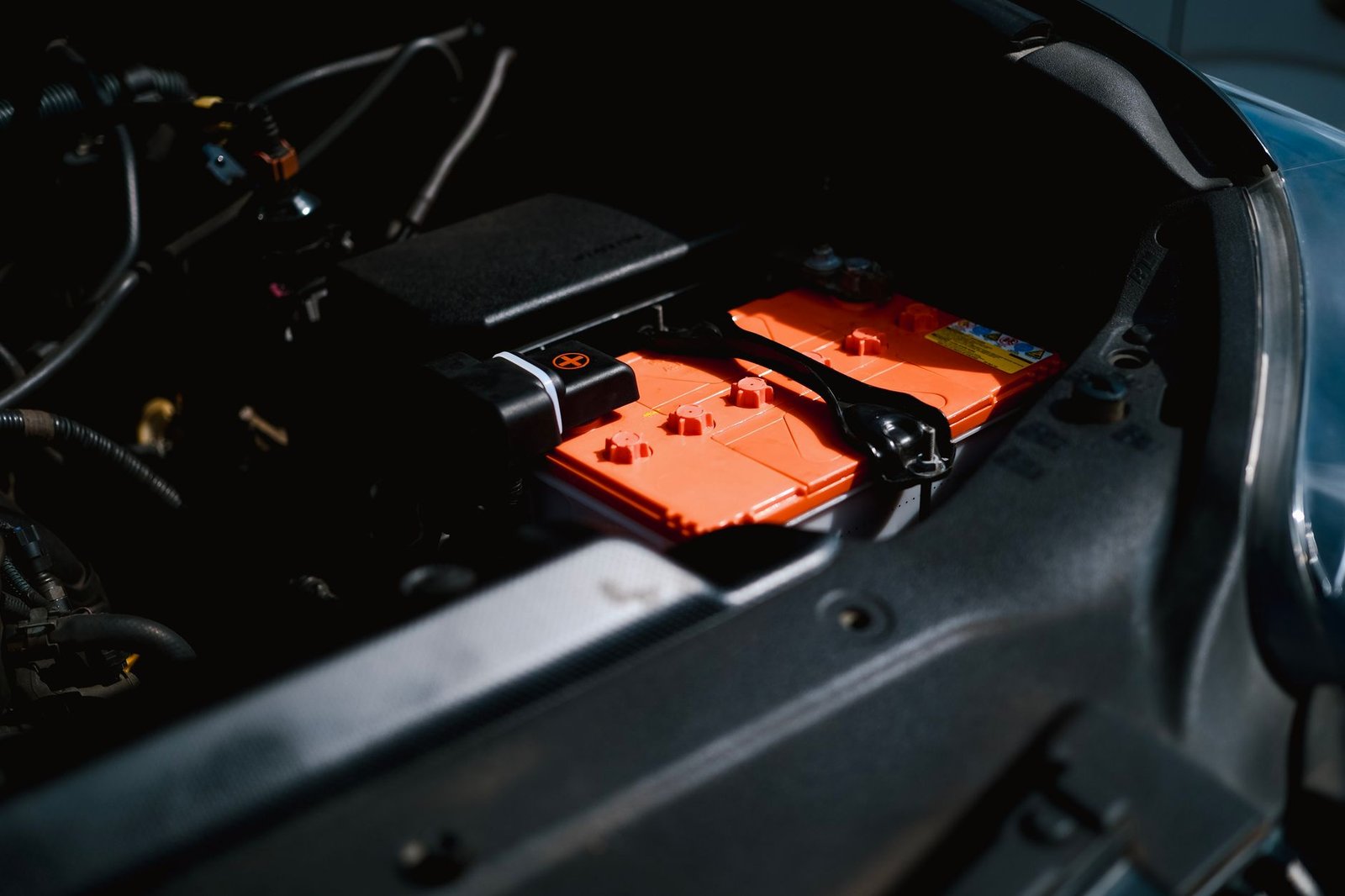
    A car battery in an engine bay

    Typical Costs: Used vs. New

    PartTypical Used PriceTypical New/Dealer Price
    Water pump (serpentine-driven)$25–60$80–180
    Water pump (timing belt-driven)$40–90$120–250
    Water pump (electric, some hybrids/EVs)$80–180$250–500

    Warranty Coverage

    Reputable sellers typically offer 30 to 90 days on used water pumps. Given how central this part is to preventing engine damage, ask specifically whether the pump was tested for bearing play and shaft seal condition, not just visually inspected before it was cataloged.

    Hose clamp pliers tool closeup

    Where Englewood Used Auto Parts Fits In

    We stock used water pumps inspected for impeller condition and bearing play before they’re cataloged by make, model, and engine, and backed by a warranty. Since pumps come off donor vehicles with a wide range of mileage and history, we can often help you weigh a lower-mileage option against a lower price depending on how long you need the part to last. Browse our used auto parts inventory or call ahead with your VIN to confirm current availability.

    If your car is already showing signs of overheating, our used radiator buying guide covers the rest of the cooling system, and our VIN and vehicle compatibility guide covers how to confirm the exact water pump configuration for your vehicle before you order. If your water pump happens to be timing belt-driven, our timing belt vs. timing chain guide covers what that means for replacement timing.

    Hands working near a vehicle's cooling fan

    Frequently Asked Questions

    What are the signs of a failing water pump?

    A coolant leak from the front-center of the engine, a whining or grinding noise from the front of the engine, or unexplained overheating are the most common signs. Any of these should be addressed before they lead to more serious engine damage.

    Should I replace the water pump when I replace the timing belt?

    On vehicles where the water pump is driven by the timing belt, many manufacturers recommend replacing both at the same time, since the labor to access them is largely shared. Ask your seller whether your vehicle uses this configuration.

    How do I know if a used water pump will fit my vehicle?

    Confirm the exact engine and drive configuration, since water pumps differ by whether they’re driven by a serpentine belt, timing belt, or timing chain. Cross-reference your VIN against the seller’s inventory.

    Do used water pumps come with a warranty?

    Reputable sellers typically offer 30 to 90 days. Ask whether the pump was tested for bearing play and shaft seal condition, not just visually inspected.

    Can a bad water pump cause overheating even without a visible leak?

    Yes. A corroded or loose impeller can reduce coolant circulation without necessarily leaking, which is why unexplained overheating is worth investigating even if you don’t see coolant on the ground.

    Not sure which water pump fits your vehicle? Contact our parts counter with your year, make, model, and engine, and we’ll confirm availability and condition before you buy.
  • Used Exhaust & Muffler Parts Guide: Fitment and Emissions Rules

    Used Exhaust & Muffler Parts Guide: Fitment and Emissions Rules

    A loud, rattling, or smelly exhaust is one of the more common reasons vehicles fail an emissions test or draw attention from a police officer. The good news is that exhaust and muffler components are also some of the more affordable used parts to replace, and Illinois has specific rules about what’s legal to remove or modify.

    This guide covers how an exhaust system is put together, common failure points, what to check before buying a used exhaust part, and what’s actually legal to change.

    How an Exhaust System Is Put Together

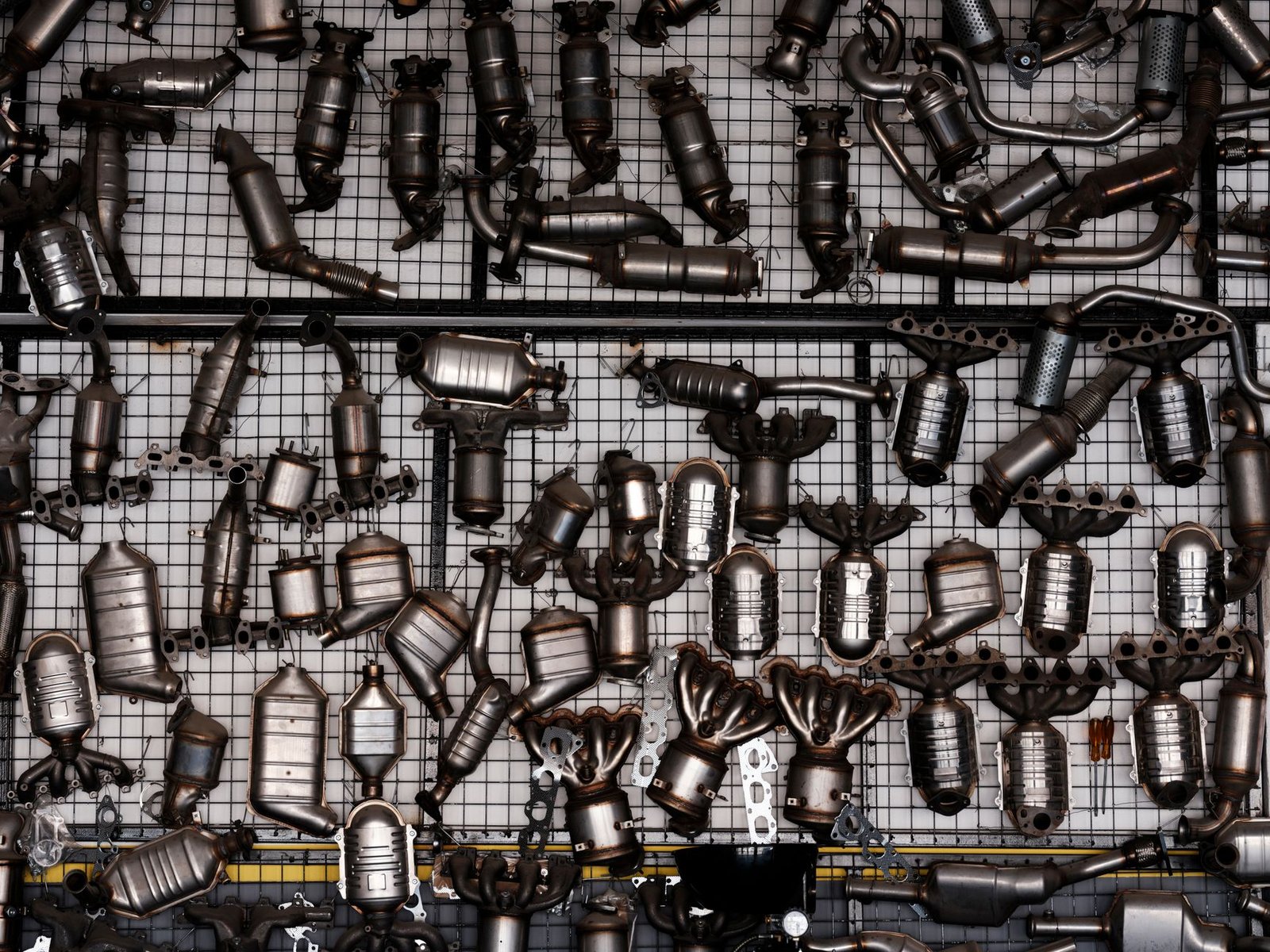
    A typical exhaust system runs from the engine’s exhaust manifold (or manifolds, on a V-configuration engine) through a catalytic converter, a resonator or muffler, and out through the tailpipe. Each section serves a purpose: the manifold collects exhaust gases from the cylinders, the catalytic converter reduces harmful emissions, and the muffler or resonator quiets the sound before it exits the vehicle.

    A wall of exhaust manifolds and catalytic converters

    Common Failure Points

    ComponentCommon SymptomWhat Causes It
    MufflerLoud, rattling, or booming exhaust noteRust perforating the muffler shell, especially in road-salt climates like Chicago
    Exhaust pipes and jointsHissing or ticking noise, often worse when coldRusted-through pipe sections or a leaking gasket at a joint
    Hangers and mountsRattling or clanking, especially over bumpsDeteriorated rubber hangers that let the exhaust system sag and hit the underbody
    Catalytic converterReduced power, rattling from inside the converter, or a failed emissions testInternal substrate breakdown, often from age or a prior misfire
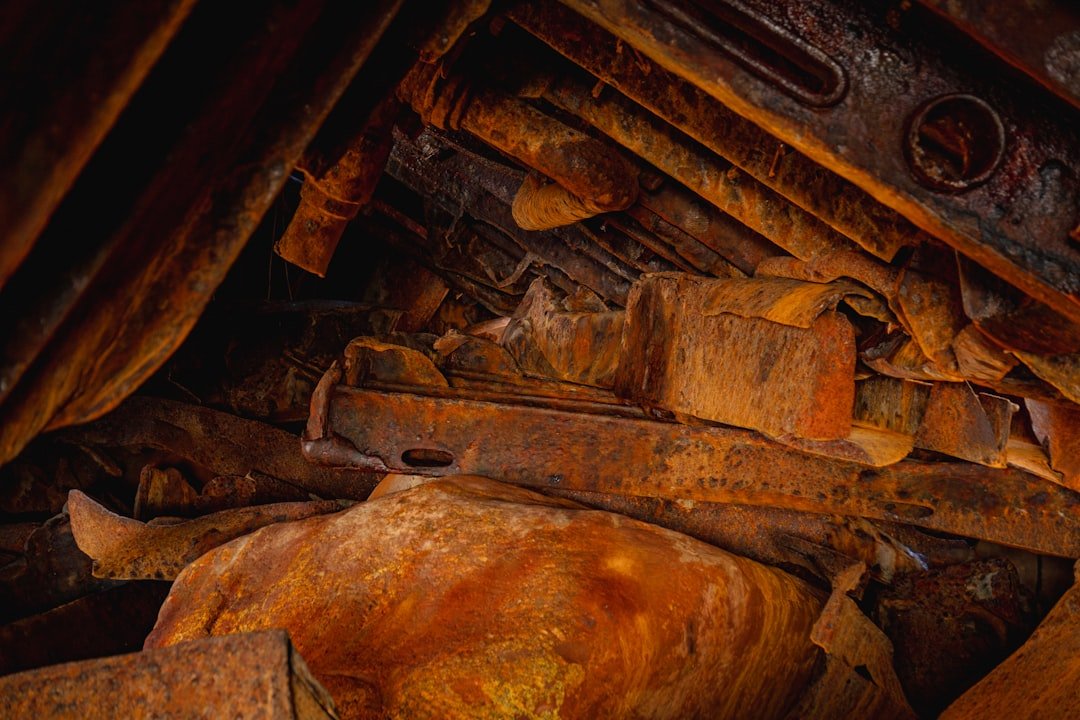
    Rust and corrosion on a vehicle's underbody frame

    Rust Is the Real Enemy in Chicago Winters

    Road salt used to de-ice winter streets is one of the fastest ways to shorten an exhaust system’s life. Salt-laden slush clings to the underbody and accelerates rust from the outside in, which is why vehicles in salt-belt climates like Chicago tend to need exhaust work years before the same vehicle would in a drier climate. A quick visual check of the exhaust system’s condition is worth doing every fall before winter driving starts in earnest, since a small leak caught early is a much cheaper fix than a full section replacement after the pipe has rusted through completely. Underbody rust doesn’t just affect the exhaust either, so if you’re already looking underneath the car, it’s worth glancing at the frame, brake lines, and fuel lines at the same time.

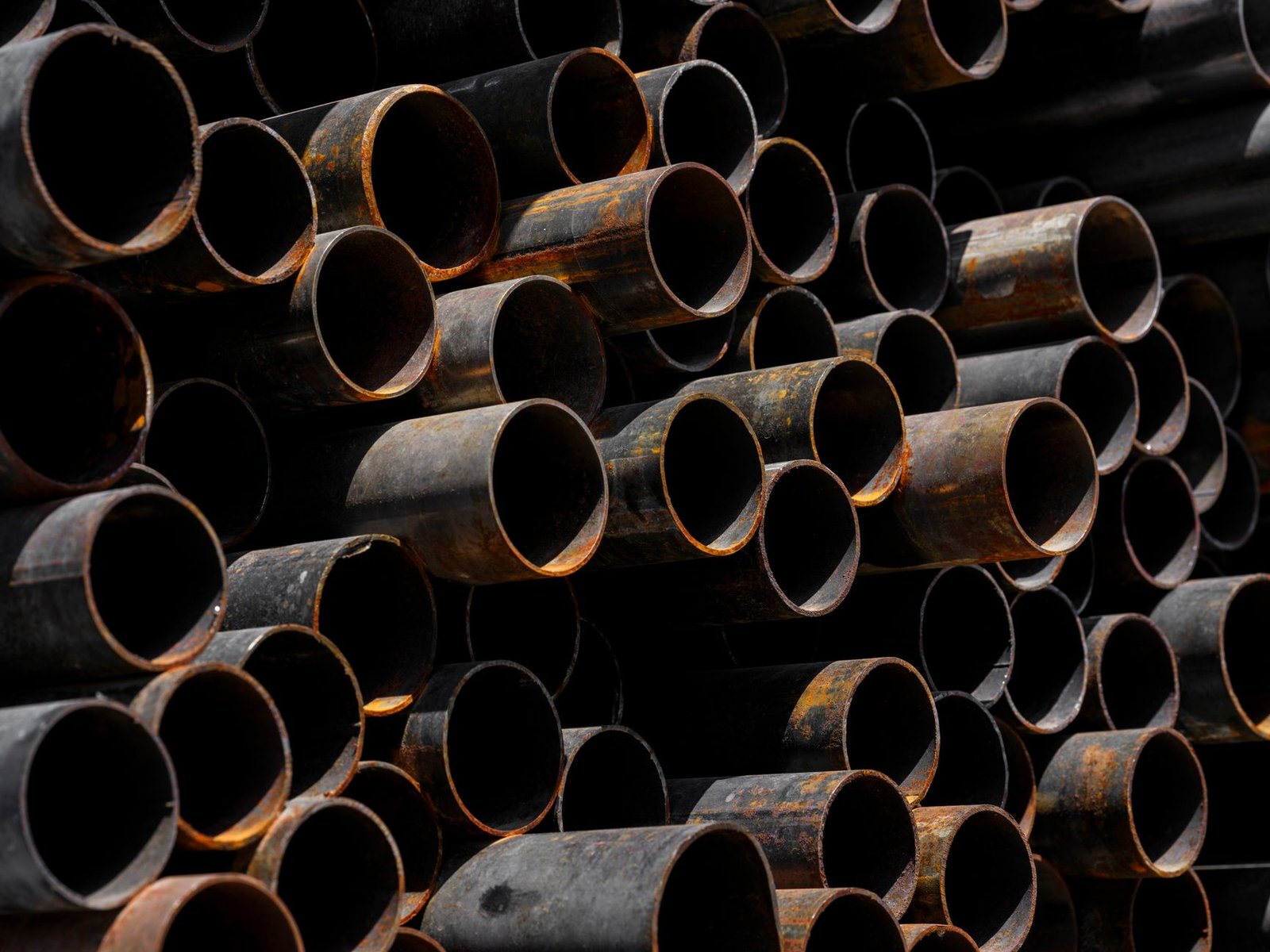
    Steel pipe stock closeup

    Direct-Fit vs. Universal Exhaust Parts

    Used exhaust parts generally come in two flavors: direct-fit, which are pulled from a matching donor vehicle and designed to bolt straight into your specific make, model, and engine, and universal parts, which are generic sections meant to be cut and welded to fit a range of vehicles. Direct-fit parts are almost always the better choice when they’re available, since they preserve the factory hanger points, pipe diameters, and flange locations without any custom fabrication.

    Universal sections have their place, especially for older or less common vehicles where a direct-fit used part simply isn’t in circulation, but installing one properly typically requires a shop with pipe-bending and welding capability rather than a simple bolt-on swap. If you’re being offered a universal section as a substitute for a direct-fit part, factor that extra labor into your total cost comparison.

    What to Check Before Buying a Used Exhaust Part

    • Confirm the exact engine and trim, since exhaust systems vary by engine size and sometimes by emissions equipment even within the same model year.
    • Inspect any used muffler or pipe section for rust-through, not just surface rust, which is cosmetic and generally not a concern.
    • For a used catalytic converter, ask whether it was tested and whether the donor vehicle passed emissions before the part was pulled.
    • Check that hangers and mounting points on a used section match your vehicle’s configuration, since these differ more than most buyers expect.
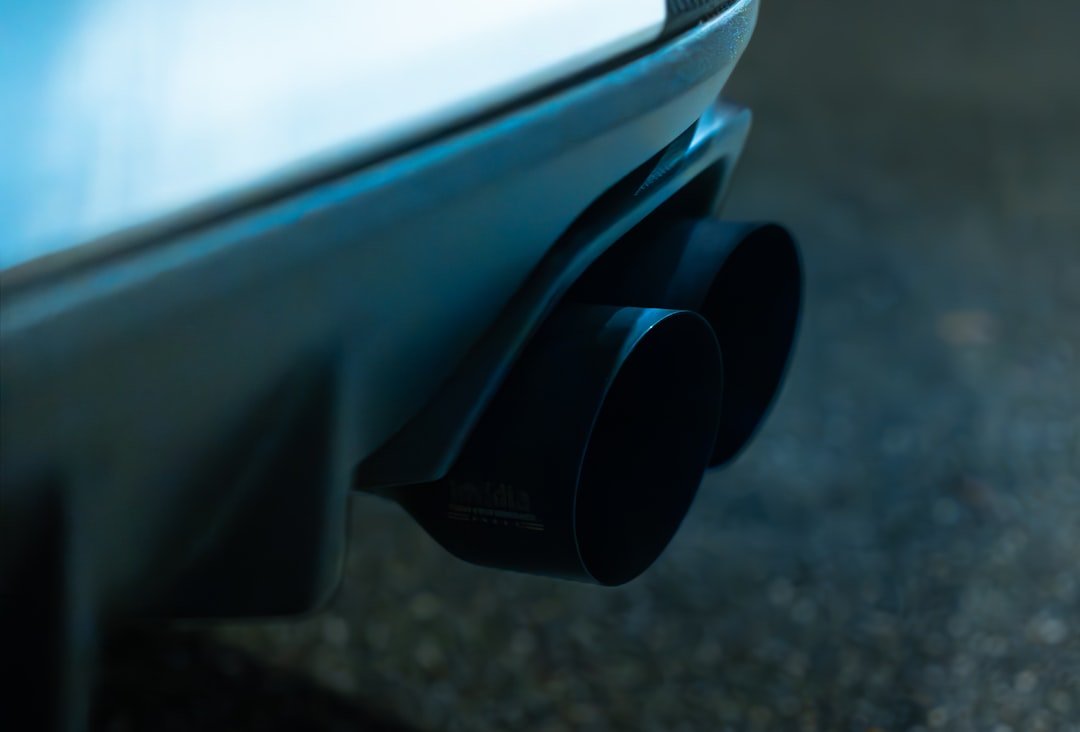
    A car's exhaust tailpipe closeup

    What’s Actually Legal to Change in Illinois

    Federal law prohibits tampering with or removing a catalytic converter from a vehicle that’s required to have one, and Illinois enforces this alongside its own vehicle emissions testing program in the Chicago metro area. A catalytic converter can be legally replaced with an equivalent, properly certified part, but removing one entirely or installing a non-compliant aftermarket “test pipe” in its place is not legal for a vehicle that’s subject to emissions testing.

    Mufflers and resonators have more flexibility, but Illinois law still prohibits excessively loud exhaust modifications. According to the Illinois EPA’s vehicle emissions testing program, vehicles registered in the Chicago area are subject to periodic emissions checks, and a missing or non-functional catalytic converter is one of the most common reasons for a test failure.

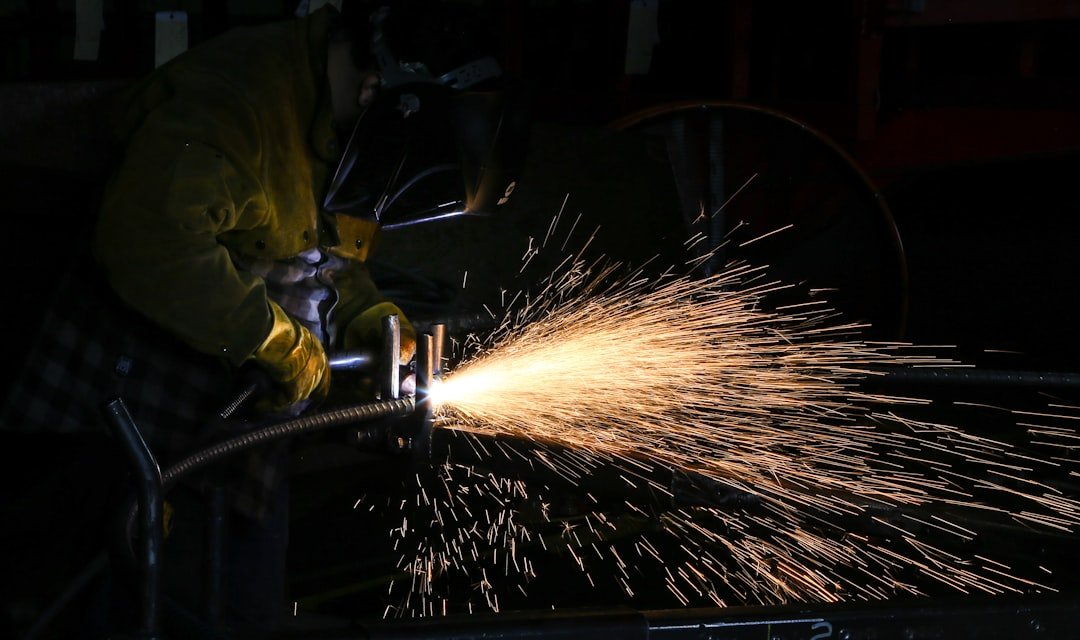
    Welding an exhaust pipe in a shop

    Typical Costs: Used vs. New

    PartTypical Used PriceTypical New/Dealer Price
    Muffler (direct-fit)$25–60$80–180
    Exhaust pipe section$20–50$60–150
    Catalytic converter (tested, used)$80–200$300–900+
    Exhaust manifold$40–100$150–350

    Warranty Coverage

    Reputable sellers typically offer 30 to 90 days on used exhaust components. For a catalytic converter specifically, ask whether it was tested and whether the donor vehicle had a clean emissions history, since a converter pulled from a vehicle with an underlying engine problem may already be compromised.

    Where Englewood Used Auto Parts Fits In

    We stock used exhaust and muffler parts inspected for rust-through and tested where applicable before they’re cataloged by make, model, and engine, and backed by a warranty. Since exhaust sections come off donor vehicles from a wide range of climates and mileage, we can often help you find a direct-fit option even for older or less common vehicles. Browse our used auto parts inventory or call ahead with your VIN to confirm current availability.

    If you’re shopping specifically for a catalytic converter, our catalytic converter replacement guide covers theft prevention and what’s legal in more depth. And our VIN and vehicle compatibility guide covers how to confirm the exact exhaust configuration for your vehicle before you order.

    Frequently Asked Questions

    Is it legal to remove a catalytic converter?

    No. Federal law prohibits removing or tampering with a catalytic converter on a vehicle required to have one, and Illinois enforces this alongside its own emissions testing program in the Chicago area.

    Why does my exhaust get loud in the winter?

    Road salt accelerates rust on the muffler and exhaust pipes, which is one of the most common reasons exhaust systems fail faster in salt-belt climates like Chicago compared to drier regions.

    How do I know if a used exhaust part will fit my vehicle?

    Match the exact engine and trim, not just the model year, since exhaust systems and hanger points vary more than most buyers expect. Cross-reference your VIN against the seller’s inventory.

    Do used exhaust parts come with a warranty?

    Reputable sellers typically offer 30 to 90 days. For a used catalytic converter, ask whether it was tested and whether the donor vehicle had a clean emissions history.

    Is surface rust on a used muffler a problem?

    Surface rust is generally cosmetic and not a concern. Rust-through, where the metal is actually perforated, is what causes leaks and noise, so that’s what to look for during inspection.

    Not sure which exhaust part fits your vehicle? Contact our parts counter with your year, make, model, and engine, and we’ll confirm availability and condition before you buy.
  • Used CV Axles & Joints Buying Guide: Symptoms, Inspection, Cost

    Used CV Axles & Joints Buying Guide: Symptoms, Inspection, Cost

    If your car clicks or clunks when you turn, especially in a parking lot at low speed, a worn CV axle or CV joint is one of the most common causes. These parts are easy to overlook until they fail, but they’re also one of the more affordable and straightforward drivetrain repairs, especially when you buy a tested used unit instead of new.

    This guide covers what CV axles and joints do, the symptoms of a failing one, what to check before buying a used axle, and what fair pricing looks like.

    What CV Axles and Joints Do

    On front-wheel-drive and all-wheel-drive vehicles, CV (constant velocity) axles transfer power from the transmission to the wheels while allowing for suspension travel and steering angle changes. Each axle has two CV joints, an inner joint near the transmission and an outer joint near the wheel hub, both wrapped in a flexible rubber or thermoplastic boot that keeps grease in and dirt out.

    Rear-wheel-drive vehicles use a different setup with a driveshaft and universal joints, but many modern rear-drive and all-wheel-drive vehicles still use CV-style joints at the wheels for the same reason: to handle both rotation and angle change smoothly. All-wheel-drive vehicles typically have CV axles at both the front and rear, which means diagnosing a noise or vibration sometimes requires figuring out which end of the vehicle is actually affected before you can order the right part.

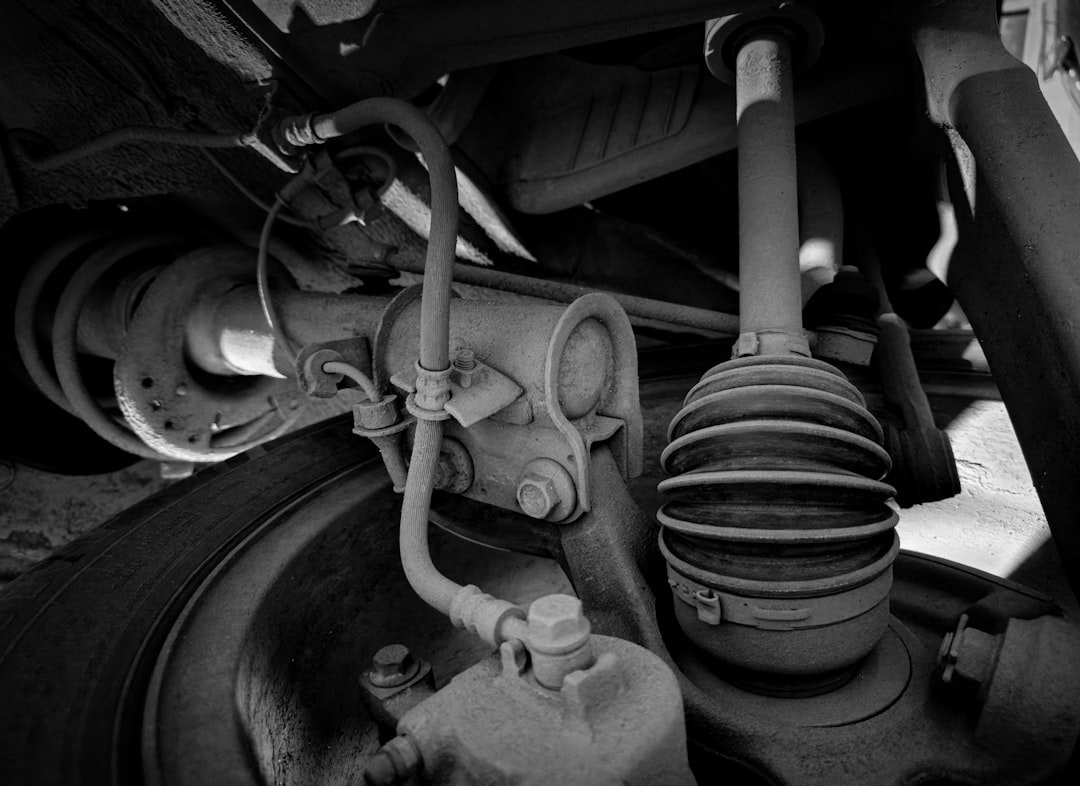
    A vehicle's front wheel and hub closeup

    Common Symptoms of a Failing CV Axle

    SymptomLikely CauseUrgency
    Clicking or popping when turningWorn outer CV joint, often from a torn boot that let grease escape and dirt inModerate — address before the joint fails completely
    Grease flung on the inside of a wheel or wheel wellA torn or cracked CV boot leaking greaseModerate — inspect and replace the boot or axle soon
    Vibration that gets worse with speedWorn inner CV joint or a bent axle shaftModerate to high depending on severity
    Clunking when shifting from drive to reverseWorn inner CV joint or excessive axle playModerate — can worsen quickly
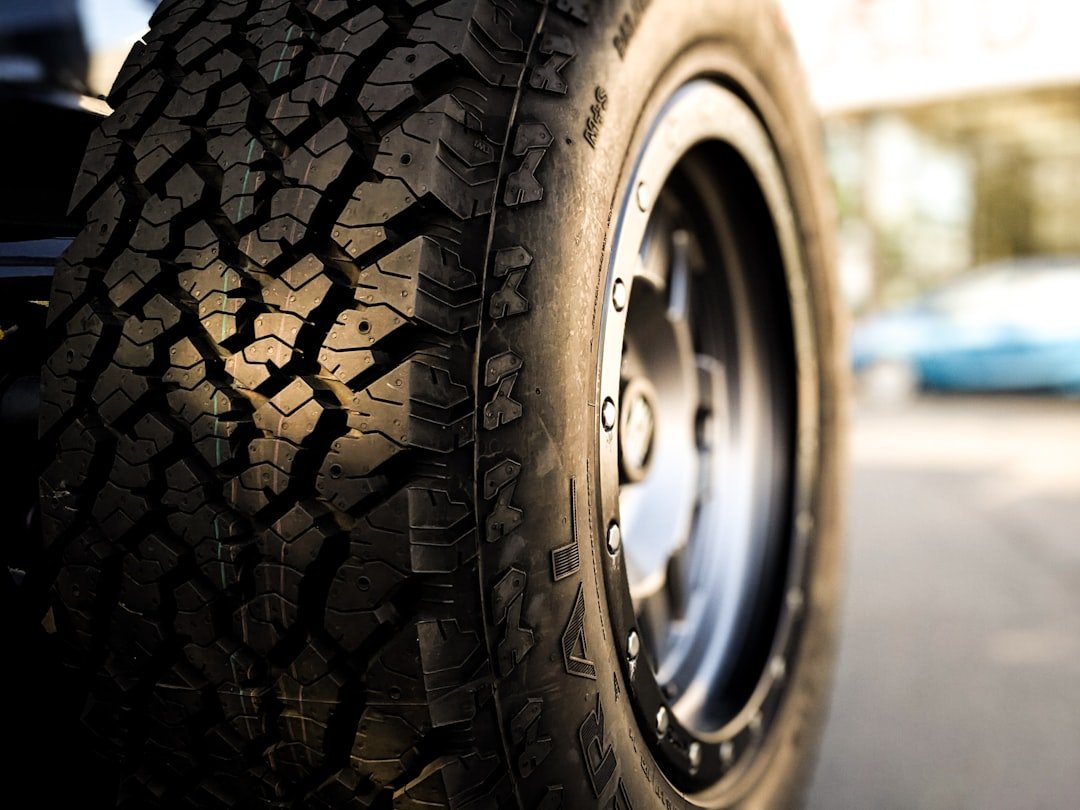
    A vehicle's front tire closeup

    Why a Torn Boot Is the Real Warning Sign

    A CV joint itself is a durable, sealed component under normal conditions. What actually causes most CV axle failures is a torn or cracked rubber boot, which lets the joint’s grease escape and allows road grit and water in. Once contamination gets into the joint, wear accelerates quickly, and what started as a fixable boot problem becomes a full axle replacement.

    This is why a visual inspection of the boot is one of the simplest and most valuable checks a driver can do. A torn boot caught early, before it starts clicking, can sometimes be repaired with just a new boot and grease rather than a full axle. Once you hear clicking, though, the joint itself is usually already damaged and the whole axle typically needs to be replaced.

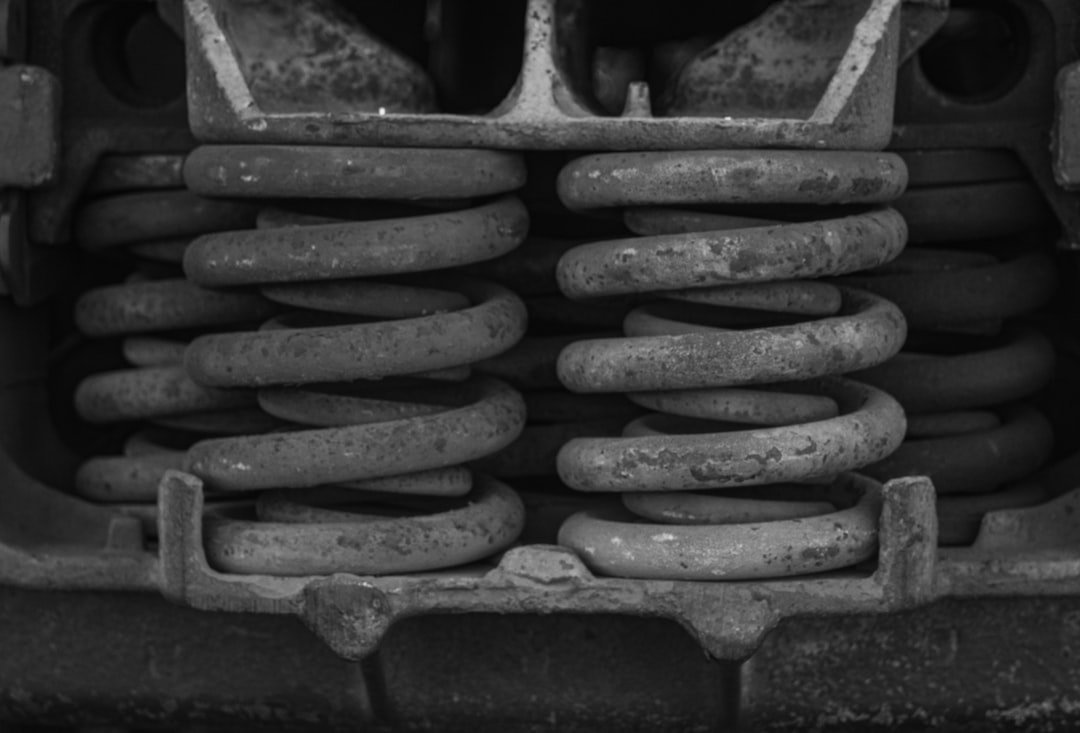
    A suspension coil spring closeup

    Inner vs. Outer Joints: Why the Distinction Matters

    The inner and outer CV joints on the same axle often wear differently and can fail for different reasons. The outer joint, closer to the wheel, handles the steering angle and tends to be the source of clicking noises when turning. The inner joint, closer to the transmission, primarily handles suspension travel and is more often the source of a clunk when shifting from drive to reverse or a vibration that worsens with speed.

    Because of this, a mechanic diagnosing a noise complaint will usually try to isolate which joint is failing before recommending a replacement, since some axle assemblies are sold as a complete unit while others allow just the affected joint and boot to be serviced separately. Ask your seller which configuration applies to your vehicle, since it can meaningfully affect both cost and repair time.

    What to Check Before Buying a Used CV Axle

    • Confirm the exact axle side (left or right, front or rear) and drivetrain configuration, since axles are not interchangeable side to side.
    • Ask whether the boots on the used axle are intact and whether the joints were tested for play or noise before it was cataloged.
    • For all-wheel-drive vehicles, confirm whether you need a front, rear, or center axle, since these often differ significantly.
    • If you’re only replacing a torn boot rather than the whole axle, ask whether a boot-and-grease kit is available separately, which is typically far cheaper than a full axle.
    A vehicle's wheel well closeup

    Typical Costs: Used vs. New

    PartTypical Used PriceTypical New/Dealer Price
    CV axle assembly (each)$40–90$120–300
    CV boot and grease kit$15–30$25–50
    Rear CV axle (AWD)$60–120$200–450

    Warranty Coverage

    Reputable sellers typically offer 30 to 90 days on used CV axles. Since a failed axle can affect handling and safety, ask specifically whether the joints were tested for play or noise, not just visually inspected, before the axle was cataloged. The NHTSA notes that worn drivetrain and steering components are a common source of preventable roadside breakdowns, which is one more reason this isn’t a part worth skimping on.

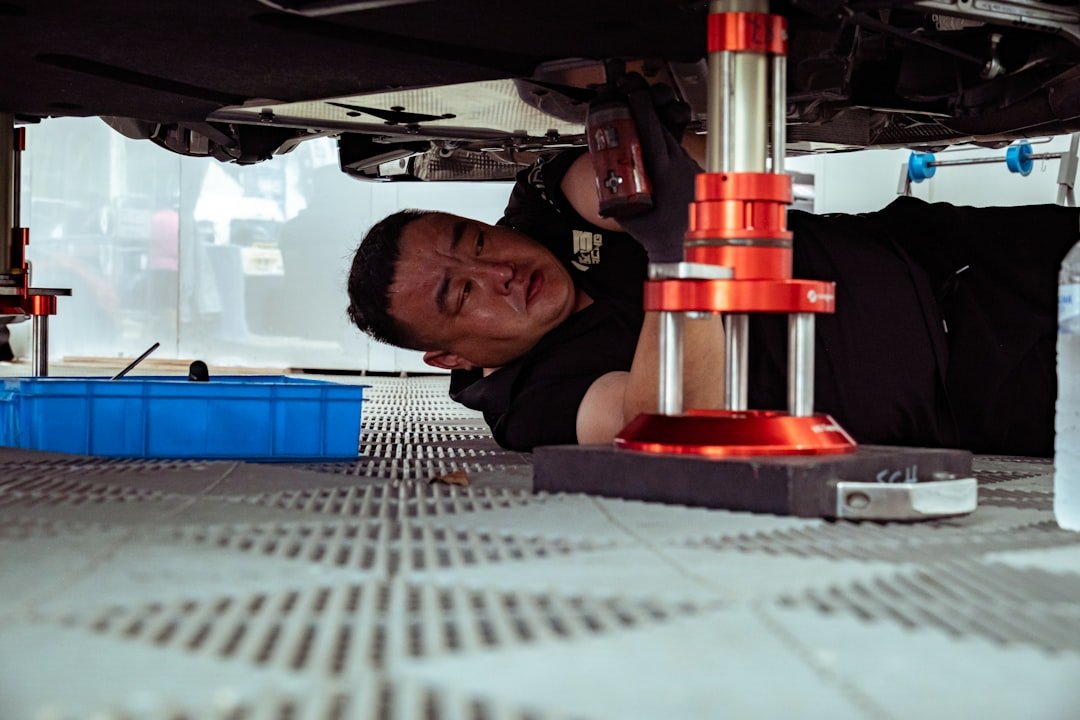
    A mechanic working underneath a vehicle on a lift

    Where Englewood Used Auto Parts Fits In

    We stock used CV axles inspected and tested for joint play and boot condition before they’re cataloged by make, model, and side, and backed by a warranty. Because axles come off donor vehicles across a wide range of makes and mileage, we can usually offer a range of options at different price points depending on how much life you need out of the part. Browse our used auto parts inventory or call ahead with your VIN to confirm current availability.

    If you suspect a broader suspension issue alongside CV axle symptoms, our suspension parts guide covers the related inspection checklist. And our VIN and vehicle compatibility guide covers how to confirm the exact axle configuration for your vehicle before you order. If the noise is more of a hum that changes with speed rather than a click when turning, our wheel bearing and hub assembly guide covers that separate diagnosis. And if you’re dealing with a rear-wheel-drive or 4WD vehicle rather than front-wheel-drive, our driveshaft and differential guide covers the equivalent rear-axle power transfer components.

    Frequently Asked Questions

    What does a clicking noise when turning mean?

    It usually indicates a worn outer CV joint, often caused by a torn boot that let grease escape and dirt into the joint. This should be addressed before the joint fails completely.

    Can I just replace the CV boot instead of the whole axle?

    If the boot is caught torn early, before any clicking or noise develops, a boot-and-grease kit alone can sometimes fix the problem. Once the joint has already been contaminated and is making noise, the whole axle typically needs to be replaced.

    How do I know if a used CV axle will fit my vehicle?

    Confirm the exact side (left or right), whether it’s a front or rear axle, and your drivetrain configuration, since axles are not interchangeable side to side or between different setups.

    Do used CV axles come with a warranty?

    Reputable sellers typically offer 30 to 90 days. Ask whether the joints were tested for play or noise, not just visually inspected, before the axle was cataloged.

    Is a CV axle repair expensive?

    A used CV axle is one of the more affordable drivetrain repairs, typically $40 to $120 depending on the vehicle, compared to $120 to $450 or more for a new one.

    Not sure which axle fits your vehicle? Contact our parts counter with your year, make, model, and drivetrain, and we’ll confirm availability and condition before you buy.
  • Used Hyundai & Kia Parts Guide: Common Models and Trouble Spots

    Used Hyundai & Kia Parts Guide: Common Models and Trouble Spots

    Hyundai and Kia are corporate siblings under Hyundai Motor Group, and a lot of their vehicles share engines, transmissions, and other major components. That overlap is good news for parts availability, but it also means the two brands share some of the same well-documented issues.

    Both brands have grown significantly in the U.S. market over the past decade, and that growth shows in our inventory: we see a steady stream of Elantra, Sonata, Tucson, Optima, Forte, and Sportage parts come through, along with the larger Santa Fe and Sorento SUVs. Because so many components are shared across the lineup, a part pulled from one model can sometimes fit a sibling model from the other brand, which is worth asking about if the exact part you need is out of stock.

    This guide covers the Hyundai and Kia models we see most often at our counter, the systems with known issues, and what to check before you buy a used part for one.

    Common Hyundai & Kia Models We Stock Parts For

    ModelTypeNotes
    Elantra / ForteCompact sedanHigh-volume models with strong parts availability across generations
    Sonata / OptimaMidsize sedanShares platform and engine options between the two brands
    Tucson / SportageCompact SUVSome generations share the Theta II engine family with documented issues
    Santa Fe / SorentoMidsize SUVAvailable with three-row seating on some trims; broad drivetrain overlap between brands
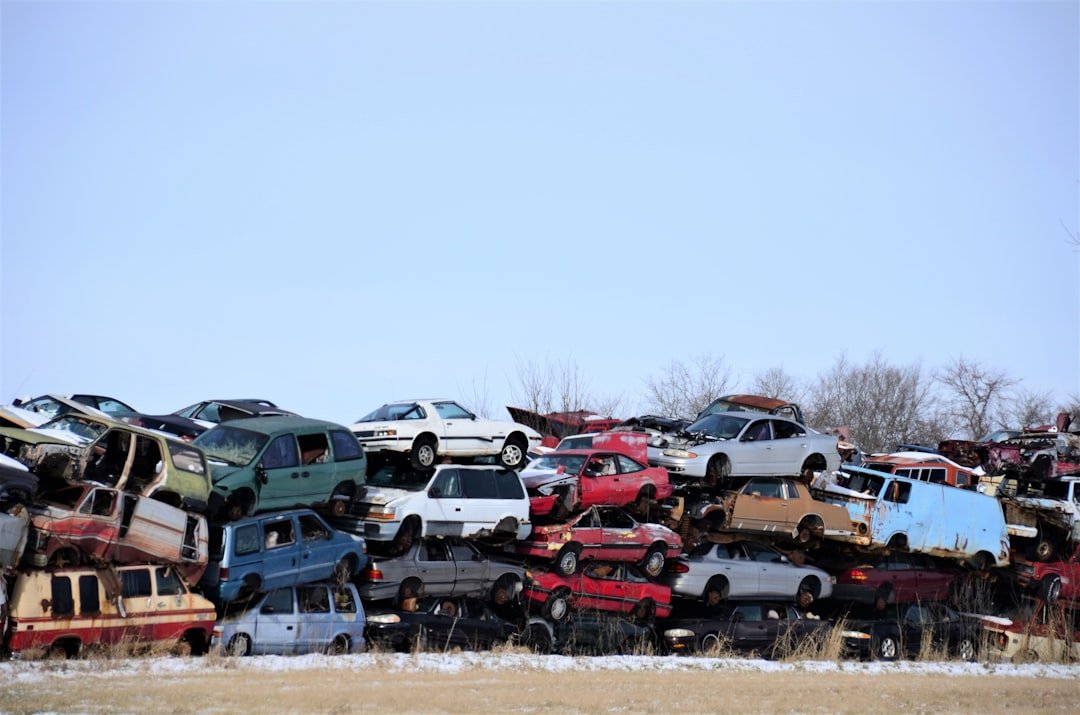
    Stacked vehicles at a scrap yard

    Known Trouble Spots by System

    SystemWhat to Watch ForAffected Models
    Theta II engineKnocking noise, stalling, or excessive oil consumption tied to a manufacturing debris issue in some enginesSonata, Optima, Tucson, Sportage, and other models with this engine family from roughly 2011–2019
    Anti-theft software vulnerabilityA well-documented ignition and immobilizer weakness on non-push-button-start models that led to a wave of theftsMany Hyundai and Kia models built without engine immobilizers, especially 2011–2022
    Dual-clutch transmission shudderHesitation, jerking, or shudder at low speeds, especially from a stopCertain Elantra, Forte, and Veloster models with dual-clutch transmissions
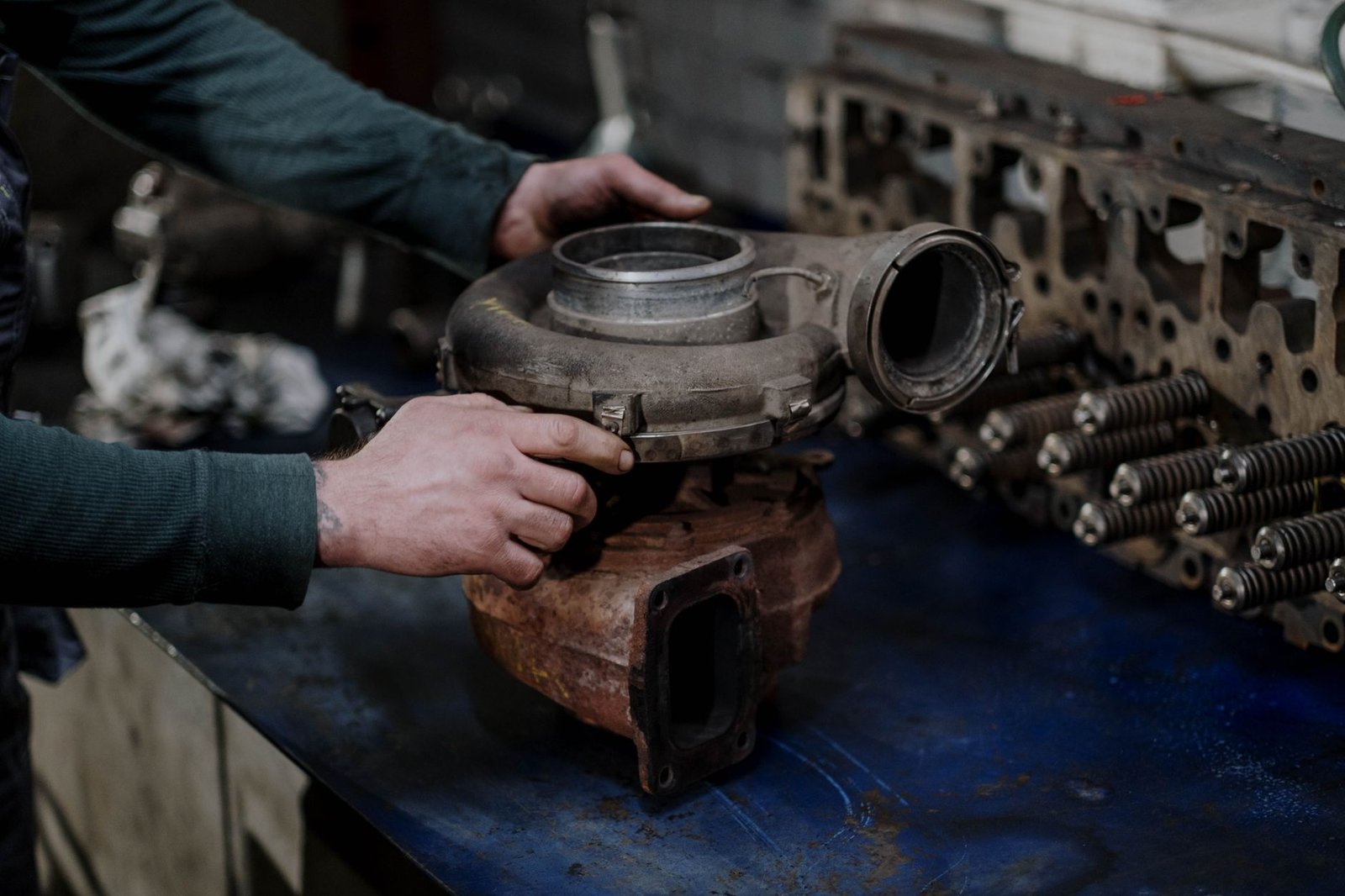
    Inspecting a turbocharger part on a workbench

    The Theta II Engine: What Buyers Should Know

    The Theta II engine family has been the subject of multiple recalls tied to manufacturing debris that can restrict oil flow to the connecting rod bearings, leading to premature wear, knocking noises, and in some cases engine failure. Hyundai and Kia extended warranty coverage on affected engines and issued a software update (the Knock Sensor Detection System) to warn drivers of developing bearing damage before a full failure occurs.

    If you’re buying a used Theta II engine or related components like connecting rods and bearings, ask specifically whether the donor vehicle had any recall work performed and whether the engine showed any knocking or oil consumption before it was pulled. You can check open recalls for a specific vehicle using its VIN through NHTSA’s recall lookup tool.

    The Anti-Theft Software Issue and What It Means for Used Parts

    A well-publicized vulnerability in the ignition and immobilizer systems on many non-push-button-start Hyundai and Kia models made them unusually easy to steal, leading to a spike in thefts starting around 2022. Automakers responded with a free software update at dealerships to add engine immobilizer functionality that wasn’t originally standard on these trims.

    For used parts buyers, this mostly matters for ignition cylinders, steering column components, and body control modules pulled from affected models. If you’re sourcing these specific parts, it’s worth asking whether the donor vehicle had the anti-theft software update applied, since that can affect how the part behaves if installed in another vehicle.

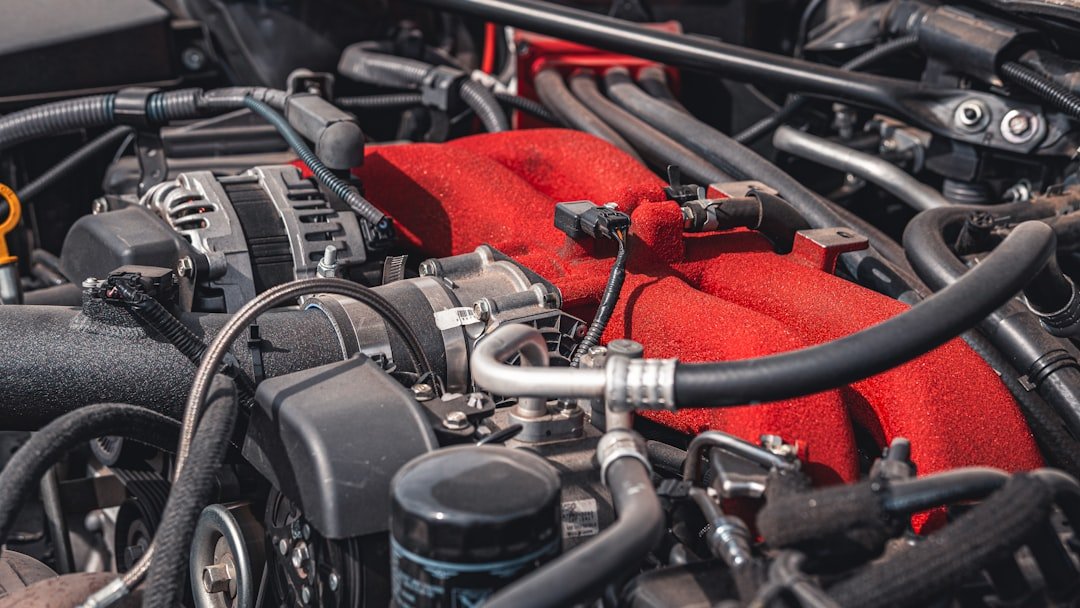
    A car engine bay closeup showing the alternator and hoses

    Dual-Clutch Transmission Shudder

    Some Elantra, Forte, and Veloster models use a dual-clutch transmission (marketed as DCT or EcoShift depending on the model) instead of a traditional automatic. These transmissions can develop a shudder, hesitation, or jerking sensation at low speeds, especially when accelerating gently from a stop. In many cases this is caused by clutch actuator or software calibration issues rather than outright mechanical failure, and a software update alone can resolve some cases.

    If you’re buying a used dual-clutch transmission or related components, ask whether the donor vehicle had any documented shudder complaints and whether a software update had already been applied. A transmission pulled from a vehicle with unresolved shudder symptoms may carry the same issue into its next application.

    What to Check Before Buying a Used Hyundai or Kia Part

    • Confirm the exact engine code, not just the model year, since Hyundai and Kia used multiple engine families across the same generation.
    • For Theta II engine parts, ask whether the donor vehicle had recall work performed and whether it showed knocking or oil consumption.
    • For dual-clutch transmission parts, ask about shudder or hesitation symptoms in the donor vehicle.
    • Ask whether the part was tested, not just pulled and cataloged based on mileage alone.

    Typical Costs: Used vs. New

    PartTypical Used PriceTypical New/Dealer Price
    Engine assembly (Theta II)$700–1,400$3,500–5,500
    Ignition cylinder$30–70$120–250
    Dual-clutch transmission$900–1,800$3,000–5,000
    Body control module$60–150$250–500

    Warranty Coverage

    Reputable sellers typically offer 30 to 90 days on used Hyundai and Kia parts. For Theta II engine components specifically, ask whether the part was tested for knocking noise or bearing wear, not just visually inspected before it was cataloged.

    An auto repair invoice on a desk

    Where Englewood Used Auto Parts Fits In

    We stock a wide range of used Hyundai and Kia parts, inspected and tested before they’re cataloged by model, year, and engine, and backed by a warranty. Browse our used auto parts inventory or call ahead with your VIN to confirm current availability.

    Not sure how to confirm your VIN before ordering? Our VIN and vehicle compatibility guide covers exactly what to check. If you’re chasing an engine noise specifically, our used engine buying guide and transmission guide cover inspection and testing in more depth.

    Aerial view of crushed cars at a scrap yard

    Frequently Asked Questions

    What is the Theta II engine recall about?

    Manufacturing debris in some engines can restrict oil flow to the connecting rod bearings, leading to knocking noises, oil consumption, or engine failure. Hyundai and Kia issued recalls, extended warranties, and a knock sensor software update for affected vehicles.

    Are Hyundai and Kia vehicles easier to steal?

    Many non-push-button-start models built without engine immobilizers had a well-documented ignition vulnerability that led to a spike in thefts starting around 2022. A free dealership software update addresses this on affected vehicles.

    How do I know if a used Hyundai or Kia part will fit my vehicle?

    Match the exact engine code and trim, not just the model year, since Hyundai and Kia used multiple engine families across the same generation. Cross-reference your VIN against the seller’s inventory.

    Do used Hyundai and Kia parts come with a warranty?

    Reputable sellers typically offer 30 to 90 days. For Theta II engine components, confirm the part was tested for knocking noise, not just visually inspected.

    Do Hyundai and Kia share parts with each other?

    Many models share engines, transmissions, and other major components since both brands are under Hyundai Motor Group, but always confirm interchangeability against your specific VIN rather than assuming based on brand alone.

    Not sure which part fits your Hyundai or Kia? Contact our parts counter with your year, make, model, and engine code, and we’ll confirm availability and condition before you buy.
  • Used Dodge & RAM Parts Guide: Common Models and Trouble Spots

    Used Dodge & RAM Parts Guide: Common Models and Trouble Spots

    Dodge and RAM vehicles are everywhere on Chicago roads, from Charger and Challenger sedans to the RAM 1500 through 3500 truck lineup. Both brands share a lot of parts and platforms under Stellantis, which means our inventory often covers Dodge, RAM, and Chrysler models with overlapping components.

    This guide covers the Dodge and RAM models we see most often at our counter, the systems with known issues, and what to check before you buy a used part for one.

    Common Dodge & RAM Models We Stock Parts For

    ModelTypeNotes
    RAM 1500Half-ton pickupThe best-selling of the lineup; huge part availability across trims and drivetrains
    RAM 2500 / 3500Heavy-duty pickupDiesel and gas variants; suspension and drivetrain parts differ significantly by configuration
    ChargerFull-size sedanShares much of its platform and V8 options with the Challenger
    DurangoMidsize/full-size SUVAvailable with three-row seating and towing packages; shares drivetrain parts with some RAM trucks
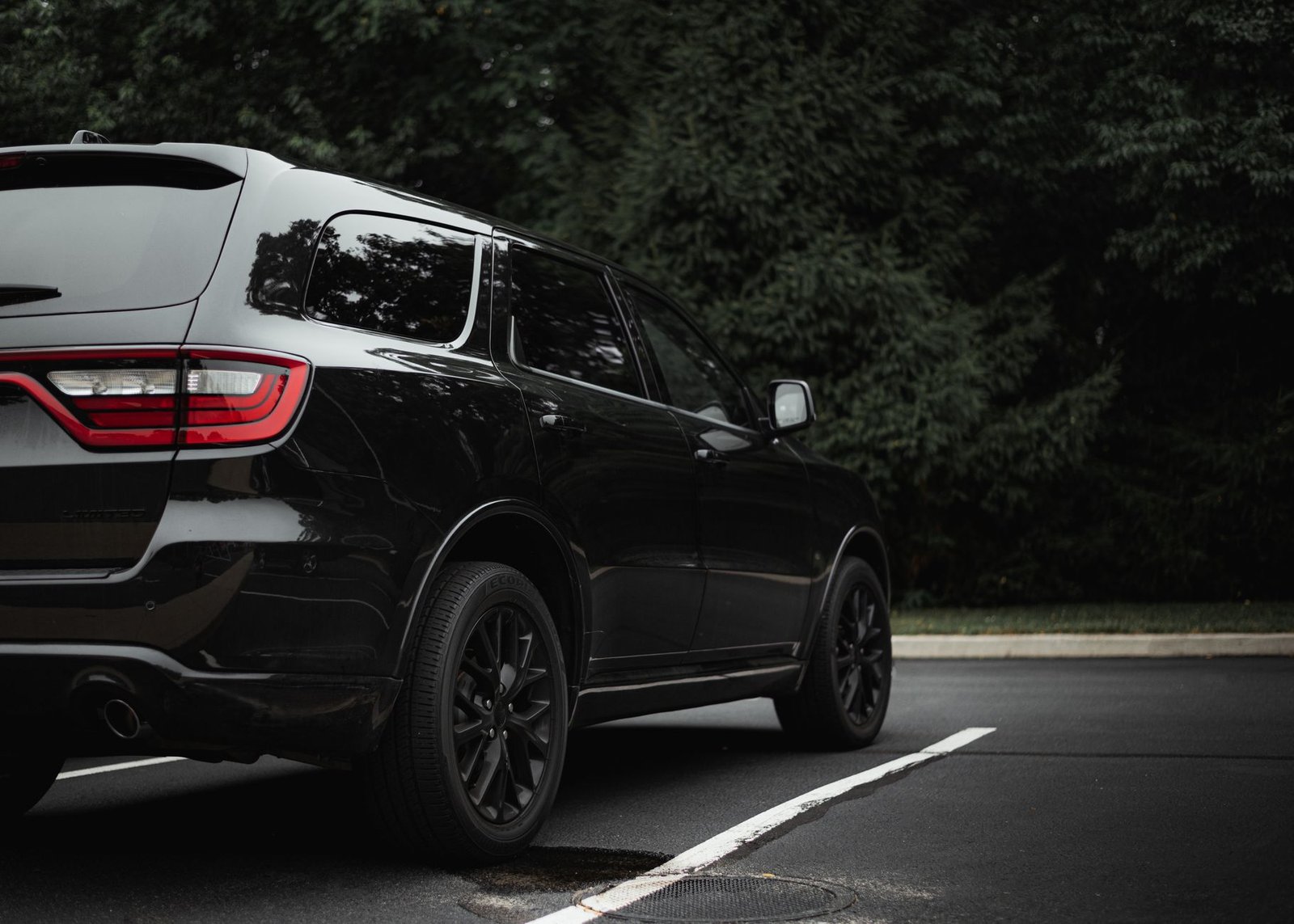
    A Dodge Durango SUV parked in a parking lot

    Known Trouble Spots by System

    SystemWhat to Watch ForAffected Models
    5.7L & 6.4L Hemi liftersA ticking or knocking noise from the top of the engine, sometimes tied to the Multi-Displacement System (MDS)RAM 1500, Charger, Durango, and other Hemi-equipped models
    Front-end steering and suspensionClunking or looseness over bumps, uneven tire wear on trucks carrying heavy loadsRAM 1500–3500, especially higher-mileage trucks
    Body control module and electrical gremlinsRandom warning lights, power window or lock issues, intermittent no-start conditionsOlder Charger, Challenger, and RAM models with aging wiring
    A recycled engine cylinder head

    The 5.7L & 6.4L Hemi: Lifter Failure and MDS Issues

    The Hemi V8 has a strong reputation, but its Multi-Displacement System, which deactivates four cylinders under light load to save fuel, relies on a set of collapsing lifters that can fail. When a lifter sticks or collapses, the result is usually a ticking or knocking noise, sometimes followed by a check engine light and reduced power. Some owners disable MDS entirely with a tuner to avoid stressing these components, though that’s a modification worth asking about if you’re buying a used engine or top-end parts from a Hemi-powered vehicle.

    If you’re shopping for a used lifter, camshaft, or cylinder head from a Hemi engine, ask specifically whether the donor engine had any documented ticking noise or MDS-related complaints before it was pulled. According to NHTSA, engine-related complaints on affected model years are a matter of public record and worth checking against your specific VIN.

    Charger and Challenger: Shared Parts, Different Details

    The Charger and Challenger share a substantial amount of their platform, suspension geometry, and V8 engine options, which is good news for parts availability since a healthy supply of one often means a healthy supply of the other. That said, the two aren’t identical: the Charger is a four-door sedan and the Challenger a two-door coupe, so body panels, doors, and interior trim pieces are not interchangeable between them even when the mechanical components underneath are. If you’re sourcing a used part for either car, confirm whether the part in question is a shared drivetrain or suspension component versus a body-specific piece before assuming it will fit.

    Higher-output trims of both cars, including SRT and Hellcat variants, use reinforced drivetrain components that differ from the standard V6 and base V8 setups. A part pulled from a standard trim will not necessarily hold up in a high-output application, so it’s worth confirming trim level in addition to engine size when shopping for anything drivetrain-related.

    RAM Truck-Specific Wear Items

    RAM trucks used for towing or hauling put more stress on front-end steering and suspension components than the average passenger vehicle, so parts like tie rod ends, ball joints, and track bars tend to wear faster on high-mileage work trucks. A truck that spent its life towing a trailer or hauling equipment will often show more front-end wear than its mileage alone would suggest, which is one reason it’s worth asking about a donor vehicle’s use case, not just its odometer reading.

    Heavy-duty RAM 2500 and 3500 trucks add another layer of complexity: many were built with either a gas or diesel engine, and the suspension, brakes, and even some electrical components differ between the two setups. Always confirm which engine and axle ratio your truck was built with before ordering a part, since a gas-truck part will not necessarily fit a diesel configuration even within the same model year.

    A truck's front suspension and steering assembly viewed from underneath

    Electrical Quirks on Older RAM and Charger Models

    Like many vehicles from this era, older RAM, Charger, and Challenger models can develop intermittent electrical issues as wiring and connectors age: random dashboard warning lights, power windows or locks that stop responding, or a no-start condition that comes and goes. These symptoms are often traced to a corroded ground connection or an aging body control module rather than a major mechanical failure, so it’s worth having a shop diagnose the actual cause before replacing expensive parts on a guess.

    A pickup truck's headlight closeup

    What to Check Before Buying a Used Dodge or RAM Part

    • Confirm the exact engine and trim, since Dodge and RAM used multiple engine options (V6, 5.7L Hemi, 6.4L Hemi, diesel) across the same model years.
    • For Hemi engine parts, ask whether the donor vehicle had any documented lifter tick or MDS-related complaints.
    • For RAM trucks, ask about the vehicle’s use case, since a truck used for heavy towing will show more front-end wear than mileage alone suggests.
    • Ask whether the part was tested, not just pulled and cataloged based on mileage.

    Typical Costs: Used vs. New

    PartTypical Used PriceTypical New/Dealer Price
    Hemi lifter (each)$15–35$40–80
    Tie rod end (each)$15–35$40–90
    Body control module$60–150$250–500
    Headlight assembly$40–90$150–350

    Warranty Coverage

    Reputable sellers typically offer 30 to 90 days on used Dodge and RAM parts. For Hemi engine components specifically, ask whether the part was tested for lifter noise, not just visually inspected before it was cataloged.

    Where Englewood Used Auto Parts Fits In

    We stock a wide range of used Dodge and RAM parts, inspected and tested before they’re cataloged by model, year, and engine, and backed by a warranty. Browse our used auto parts inventory or call ahead with your VIN to confirm current availability.

    Not sure how to confirm your VIN before ordering? Our VIN and vehicle compatibility guide covers exactly what to check. If you’re chasing an engine noise specifically, our used engine buying guide covers inspection and testing in more depth.

    Aerial view of rows of vehicles at a salvage yard

    Frequently Asked Questions

    What does it mean when a Hemi engine is ticking?

    A ticking or knocking noise from the top of a Hemi engine is often tied to a failing lifter, sometimes related to the Multi-Displacement System that deactivates four cylinders under light load. It’s worth having a shop diagnose the exact cause before replacing parts.

    Do RAM trucks wear out front-end parts faster than other vehicles?

    Trucks used for towing or hauling put more stress on tie rod ends, ball joints, and track bars, so a high-mileage work truck often shows more front-end wear than its odometer alone would suggest.

    How do I know if a used Dodge or RAM part will fit my vehicle?

    Match the exact engine and trim, not just the model year, since Dodge and RAM used multiple engine options across the same generation. Cross-reference your VIN against the seller’s inventory.

    Do used Dodge and RAM parts come with a warranty?

    Reputable sellers typically offer 30 to 90 days. For Hemi engine components, confirm the part was tested for lifter noise, not just visually inspected.

    Are Dodge and Chrysler parts interchangeable with RAM trucks?

    Some parts overlap since the brands share platforms and components under Stellantis, but always confirm interchangeability against your specific VIN rather than assuming based on brand alone.

    Not sure which part fits your Dodge or RAM? Contact our parts counter with your year, make, model, and engine, and we’ll confirm availability and condition before you buy.
  • Selling Your Junk Car for Cash: What It’s Actually Worth

    Selling Your Junk Car for Cash: What It’s Actually Worth

    A car that won’t start, has been sitting for a season, or costs more to fix than it’s worth is still worth real money — usually more than people expect once they actually look into it. Knowing what determines that value, and what Illinois requires to sell it legally, makes the difference between a fair deal and leaving money (or a paperwork headache) behind.

    This guide covers what determines a junk car’s value, Illinois title requirements, and how to get the most for a vehicle that’s done being driven.

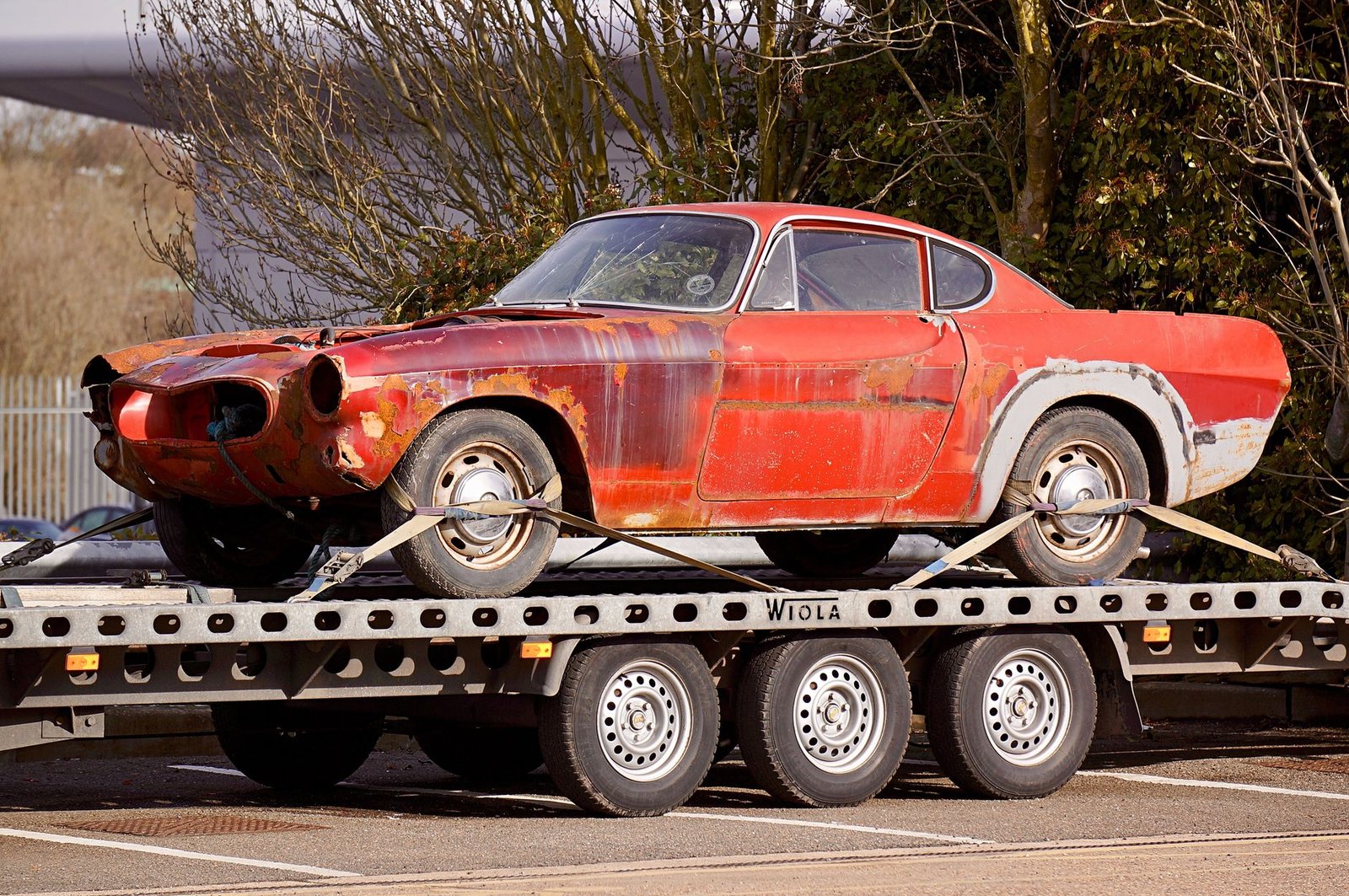
    A rusted junk car loaded onto a flatbed tow truck

    What Determines a Junk Car’s Value

    FactorWhy It Matters
    Vehicle weightHeavier vehicles yield more scrap steel, directly increasing base value
    Running conditionA running vehicle can potentially be resold or parted out, adding value beyond scrap weight
    Make and model demandCommon models with steady parts demand are worth more than models with limited demand
    Current scrap metal pricesSteel prices fluctuate with the broader commodities market and shift payouts accordingly
    Valuable componentsAn intact catalytic converter, battery, and usable wheels or tires add to the total

    Typical Value Ranges

    Complete junk vehicles typically bring $150 to $700 depending on the factors above, with running vehicles in demand-heavy models sometimes exceeding that range, and severely incomplete or damaged vehicles falling below it. Nationwide scrap steel prices generally run in the $100 to $500 per ton range, and a typical passenger vehicle weighs one to one and a half tons, which is the baseline most of that price range is built from before adjusting for the factors that add or subtract value.

    Crushed cars at a scrap metal yard

    Illinois Title Requirements

    In most cases, you’ll need the vehicle’s title to sell it, whether to a scrap buyer or a used parts business. If you’ve lost the title, the Illinois Secretary of State can issue a duplicate, available online, by mail, or in person. Some buyers can work with a vehicle that lacks a title under specific circumstances, particularly for older vehicles being sold purely for scrap rather than road use, but this varies by buyer and isn’t something to count on without asking first.

    Cash payment being handed over

    What Happens to the Vehicle After the Sale

    Once sold, a vehicle typically goes one of two directions: straight to a scrap processor to be crushed and shredded for its metal content, or into a used parts inventory where individual components are removed, tested, and cataloged before the remaining shell is scrapped. This is worth understanding because it directly affects what a buyer can offer — a parts-focused buyer has an incentive to pay more for a vehicle with usable components since those parts individually are worth more than their share of the scrap weight, while a pure scrap buyer is working from steel tonnage alone regardless of what still works.

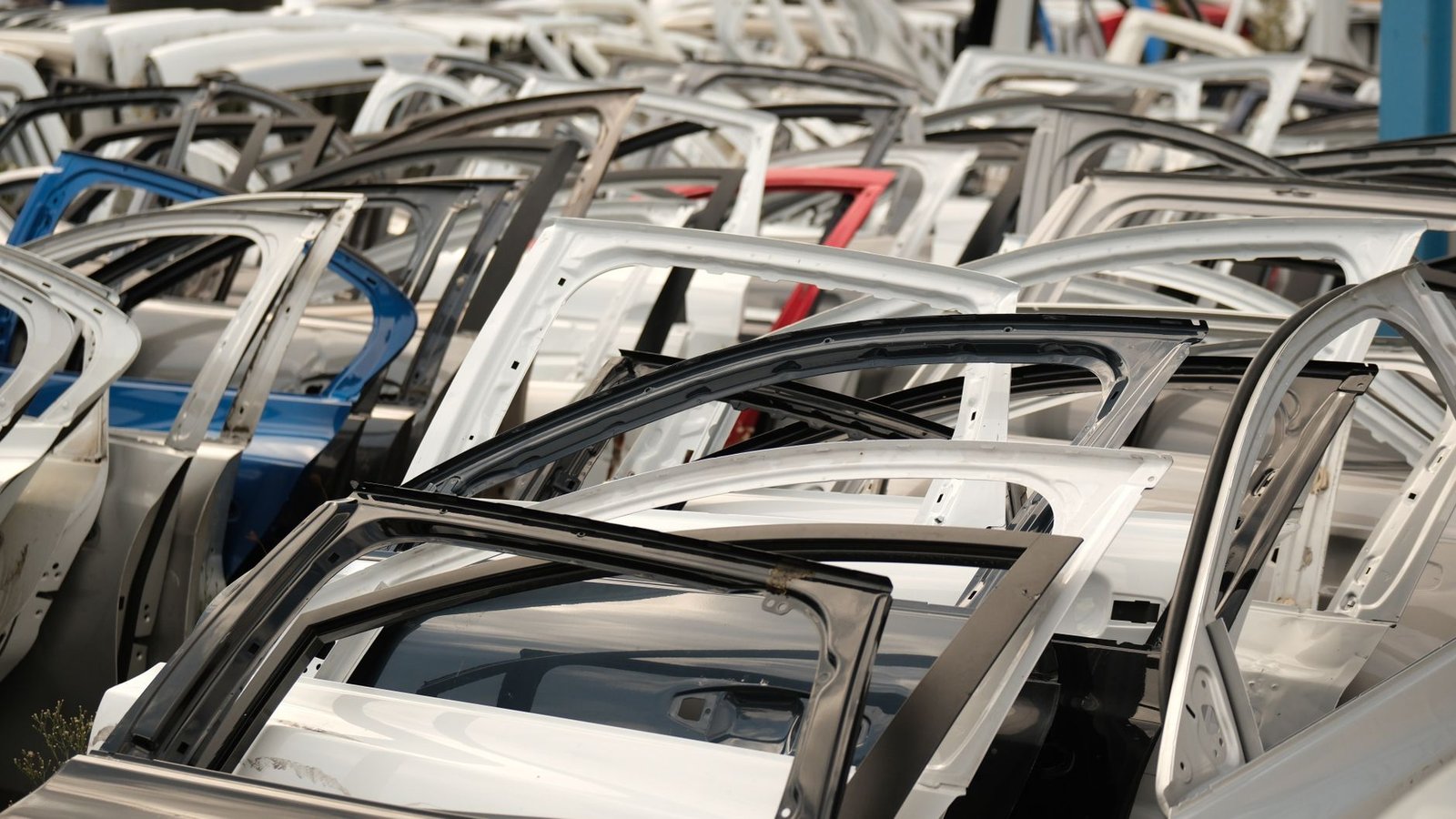
    Rows of dismantled car doors and frames in a salvage yard

    Should You Scrap It or Part It Out?

    • If the vehicle runs or has several intact, in-demand components (engine, transmission, working electronics), selling to a used parts buyer often nets more than straight scrap value, since individual parts are worth more separately than the vehicle’s weight in steel.
    • If the vehicle is heavily damaged, very old, or missing major components, straight scrap value may be the more realistic and faster option.
    • Get quotes from more than one buyer before committing — scrap and parts values both shift with market conditions, and a quick round of calls costs nothing.
    • Ask specifically whether the quoted price includes towing, since a lower quote with free pickup can sometimes net more than a higher quote where you’re responsible for transport.

    Watch Out For Lowball Tactics

    It’s common for a buyer to quote a price over the phone based on your description, then reduce it once the vehicle is inspected in person, citing damage or missing parts that weren’t discussed upfront. A reputable buyer sticks close to their initial quote barring a genuine discrepancy from what you described, and will explain clearly if an adjustment is needed rather than simply presenting a lower number and expecting you to accept it on the spot. If a buyer’s in-person offer is dramatically lower than their phone quote with no clear explanation, it’s worth getting a second opinion before agreeing to the sale.

    Cash payment being handed over from an envelope

    What to Have Ready

    • The vehicle’s title, or a plan to get a duplicate if it’s lost.
    • A valid photo ID matching the name on the title.
    • The vehicle’s year, make, model, and approximate mileage for an accurate initial quote.
    • Any spare keys or documentation, which can occasionally affect the offer.

    Where Englewood Used Auto Parts Fits In

    We evaluate vehicles for their parts value, not just scrap weight, which often means a better return than a straight scrap buyer for a vehicle with usable, in-demand components. If you have a vehicle you’re ready to part with, contact our parts counter with the year, make, model, and condition, and we’ll walk you through what it’s worth and what we’d need from you.

    Curious what happens to a vehicle’s parts after it’s sold? Our junkyard vs. used auto parts store guide and our parts grading guide cover how those components make it back onto the shelf.

    Frequently Asked Questions

    How much is my junk car worth?

    Typically $150 to $700 for a complete vehicle, depending on weight, running condition, make and model demand, current scrap prices, and whether valuable components like the catalytic converter and battery are intact.

    Do I need the title to sell a junk car in Illinois?

    In most cases, yes. If you’ve lost it, the Illinois Secretary of State can issue a duplicate title online, by mail, or in person. Some buyers may accept certain older vehicles without a title under specific circumstances, but this isn’t guaranteed.

    Is it better to scrap my car or sell it for parts?

    If the vehicle runs or has several usable components, selling for parts often pays more than scrap value alone, since individual parts are worth more separately than the vehicle’s weight in steel. Heavily damaged or very old vehicles may be better suited to straight scrap.

    Does a running car sell for more than a non-running one?

    Generally yes. A running vehicle can be resold or parted out for functioning components, which adds value beyond what the vehicle would bring for scrap weight alone.

    What should I have ready before selling my junk car?

    The title (or a plan to get a duplicate), a valid photo ID matching the title, and the vehicle’s year, make, model, and mileage for an accurate quote.

    Why did the buyer’s in-person offer come in lower than the phone quote?

    Sometimes this reflects a genuine discrepancy from what was described, but it can also be a lowball tactic. A reputable buyer explains any adjustment clearly rather than just presenting a lower number, and a dramatic unexplained drop is worth getting a second opinion on before you accept.

    What If There’s a Lien on the Vehicle?

    If you still owe money on the vehicle, the lender technically holds an interest in the title until the loan is paid off, and most buyers won’t complete a purchase until that lien is satisfied and released. If you’re in this situation, contact your lender first to find out the payoff amount and how to obtain a lien release once it’s paid, since trying to sell around an active lien can create legal complications for both you and the buyer.

    In some cases, the payoff amount may exceed what the vehicle is actually worth as a junk car, which is worth confirming with your lender before assuming a straightforward sale is possible.

    Can I sell a junk car if I still owe money on it?

    Only after the lien is satisfied. Contact your lender for the payoff amount and lien release process before attempting to sell, since most buyers won’t complete a purchase with an active lien on the title.

    Ready to find out what your vehicle is worth? Contact our parts counter with the details and we’ll give you a straightforward quote.

  • Summer Car Care Checklist: Beating the Heat

    Summer Car Care Checklist: Beating the Heat

    Chicago summers put a different kind of stress on a vehicle than winter does, but it’s no less real. Heat accelerates battery failure, changes tire pressure, and is genuinely tougher on rubber belts and hoses than most drivers expect. The parts most likely to strand you on a 95-degree afternoon are often not the ones you’d guess.

    This checklist covers what to check before the hottest weeks of the year, why heat specifically causes these failures, and what fair pricing looks like on the parts most affected.

    A drive belt and pulley system in a car engine bay

    The Summer Prep Checklist

    SystemWhat Heat Does to ItWhat to Check
    BatterySpeeds up internal chemical reactions, accelerating wear even faster than cold does over timeLoad test if the battery is 3+ years old
    TiresPressure rises roughly 1 PSI per 10°F; can add 5+ PSI during a heat waveCheck pressure and look for sidewall cracking
    Belts & hosesRubber becomes brittle and prone to cracking under sustained heatInspect for cracking, glazing, or soft spots
    Coolant systemDirectly responsible for preventing overheating; failure here is compounded by heatConfirm proper coolant level and mix ratio
    AC systemWorks hardest exactly when ambient heat is already stressing the engine bayHave it checked before, not during, the first heat wave

    Why Heat Is Actually Harder on Batteries Than Cold

    It’s a common misconception that winter is the season that kills batteries. In reality, heat causes more cumulative damage over a battery’s life, since high temperatures speed up the internal chemical reactions that both power the battery and gradually wear it out. A battery that’s already marginal from age or heat-related degradation often doesn’t show symptoms until the cold snap that finally pushes it over the edge months later — which is why a summer check matters even if the failure shows up in winter.

    Inspecting a car battery in warm weather

    Tire Pressure: Why It Changes and What to Do About It

    Tire pressure isn’t static; it rises with temperature, roughly 1 PSI for every 10°F increase, which means a tire set correctly on a cool morning can be noticeably overinflated by mid-afternoon on a hot day. Overinflation reduces the tire’s contact patch with the road, affecting grip and causing uneven wear concentrated in the center of the tread. Check pressure when tires are cold (before driving, or after they’ve sat for a few hours) rather than right after a drive, and inspect sidewalls for cracking, which heat accelerates over a tire’s life.

    Servicing a vehicle's wheel

    Belts and Hoses: The Quiet Summer Failure

    Rubber components under the hood take a beating in sustained heat, becoming brittle and prone to cracking in ways that aren’t always visible until a belt or hose fails outright, sometimes stranding you with no warning. According to AAA, which regularly surveys the causes of summer roadside breakdowns, checking belts and hoses for cracking, glazing, or soft spots before the season’s worst heat is one of the most effective ways to avoid an otherwise-preventable breakdown.

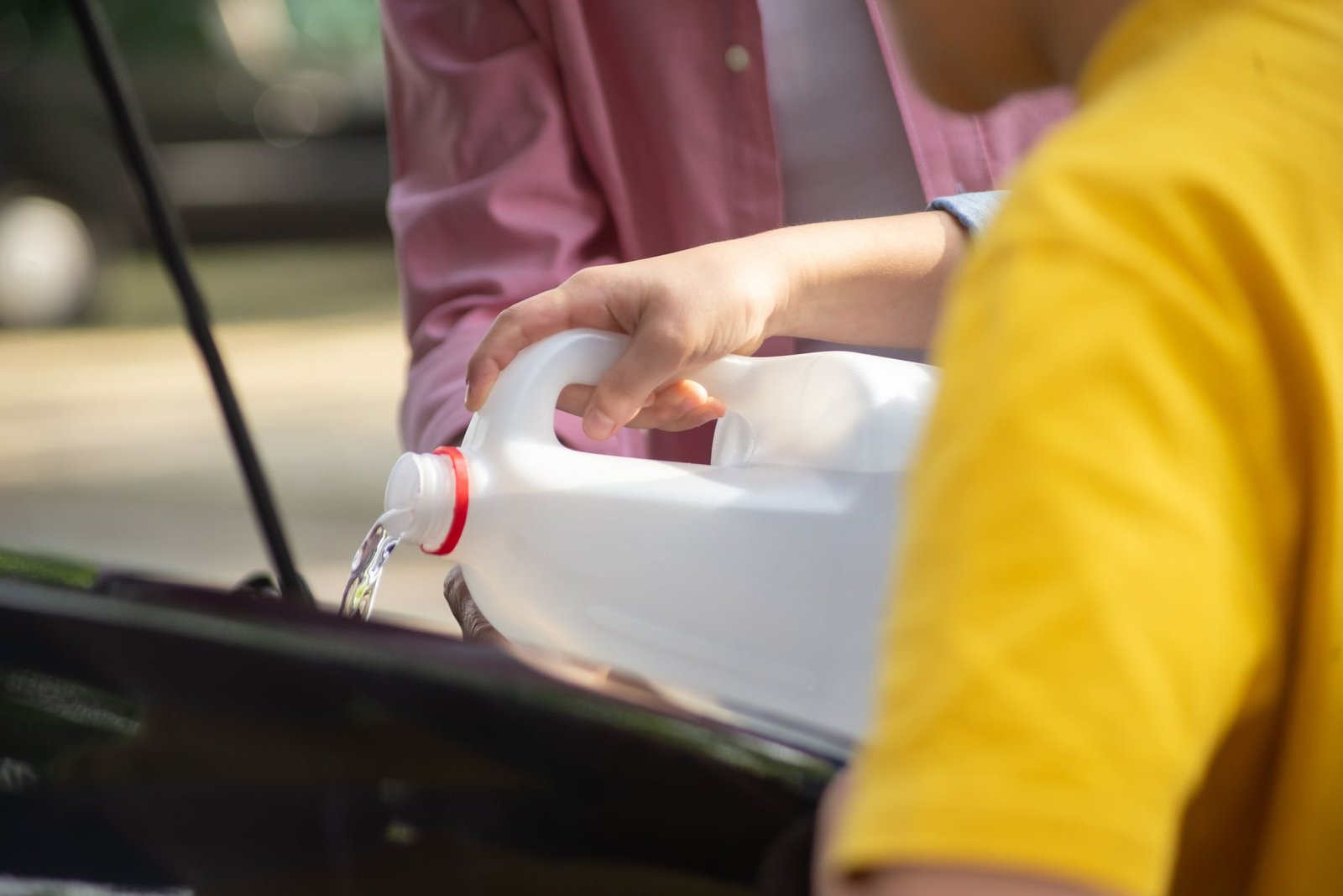
    Adding coolant to a vehicle's engine bay

    Coolant: Don’t Wait for the Warning Light

    Your cooling system works overtime in summer, since it’s fighting both engine heat and higher ambient temperatures to keep things at a stable operating range. Low coolant, an old or degraded coolant mix, or a marginal water pump that was fine in cooler months can tip into overheating territory once summer temperatures push the whole system closer to its limit. If it’s been more than two years or 30,000 miles since your coolant was last flushed, it’s worth having it checked before, not during, the season’s hottest stretch.

    Building a Summer Roadside Kit

    Alongside mechanical prep, it’s worth keeping a few things in the car once temperatures climb: extra water (for you, not just the radiator), a phone charger, and a basic tool kit. Heat-related breakdowns tend to happen at the worst possible time — stuck in traffic, away from shade — so having a plan for a wait covers the gap between something failing and getting it fixed.

    Typical Costs: Summer Prep Parts

    PartTypical Used PriceTypical New Price
    Battery (tested, used core)$40–90$120–250
    Serpentine belt$10–25$25–60
    Radiator hose$10–20$20–50
    AC compressor$80–200$300–700+
    View of a highway road trip during summer heat

    Long Road Trips in the Heat

    Summer is also peak road trip season, and a vehicle that’s fine for daily local driving can reveal a marginal part over several hours of sustained highway speed in hot weather. Before a long trip, it’s worth checking fluid levels across the board (oil, coolant, transmission, and brake fluid), confirming tire condition including the spare, and testing the battery if it’s due. A problem that would just be an inconvenience at home can become a much bigger one hours from a shop you know and trust.

    Where Englewood Used Auto Parts Fits In

    Every part we sell, from batteries to belts to AC components, is inspected and tested before it’s cataloged, and backed by a warranty. Browse our used auto parts inventory or call ahead with your VIN to confirm current availability before the heat sets in.

    Not sure how to confirm your VIN before ordering? Our VIN and vehicle compatibility guide covers exactly what to check. If your AC needs attention specifically, our AC compressor buying guide covers diagnosis and refrigerant types in more depth.

    Frequently Asked Questions

    Does hot weather really damage car batteries?

    Yes, and often more than cold weather does over the long run. Heat accelerates the internal chemical reactions that wear out a battery, so summer heat can push an already-marginal battery toward failure even if it doesn’t die until the following winter.

    Should I lower my tire pressure in summer?

    No, don’t intentionally underinflate. Instead, check pressure regularly against the manufacturer’s recommended cold-tire spec, since pressure naturally rises with ambient and road-surface heat throughout the day.

    How do I know if my belts or hoses are at risk of failing?

    Look for cracking, a glazed or shiny appearance on belts, and soft or brittle spots on hoses. Any of these signs mean the part should be replaced before it fails on the road.

    Why does my AC seem weaker on the hottest days?

    The AC system works hardest exactly when ambient heat is already high, so a marginally weak compressor or low refrigerant level that’s barely noticeable in mild weather becomes obvious during a heat wave.

    When should I get my car checked for summer?

    Before the first sustained heat wave, not during it. A battery load test, belt and hose inspection, and AC check take a fraction of the time and cost of a roadside breakdown or AC failure mid-summer.

    How often should I flush my coolant?

    A general rule is every two years or 30,000 miles, though this varies by vehicle and coolant type. Check your owner’s manual, and don’t wait for a warning light before addressing an overdue flush.

    Wiper Blades and Washer Fluid Matter in Summer Too

    Summer brings its own windshield hazards: bug splatter, road grime, and pollen can bake onto glass in the heat, becoming harder to clear with a marginal wiper blade than it would be otherwise. UV exposure also degrades wiper rubber over time, so a blade that streaks in summer sun is often a sign of sun damage rather than just age. Standard washer fluid works fine for summer use, but a bug-and-tar-specific formula can make a real difference on long highway drives during peak insect season.

    Do wiper blades wear out faster in summer heat?

    Yes. UV exposure degrades wiper rubber over time, and heat accelerates this. A blade that streaks or skips more than usual in summer is often showing sun damage rather than just normal wear.

    Not sure which parts your vehicle needs before summer? Contact our parts counter with your year, make, and model, and we’ll help you get ahead of the heat.

  • How Used Auto Parts Are Graded and Warrantied

    How Used Auto Parts Are Graded and Warrantied

    “Used” covers a huge range of actual condition, from a part pulled off a car with 20,000 miles on it to one that’s been in service for a decade. The industry’s answer to that ambiguity is a grading system, and understanding how it works is the fastest way to know exactly what you’re getting before you buy.
    This guide covers the industry-standard A/B/C grading system, how mechanical and body parts are graded differently, and what our own inspection and warranty process looks like.

    A hand opening a used car door

    The A/B/C Grading System

    GradeMechanical Parts (Mileage-Based)Body Parts (Damage-Based)
    ATypically under 60,000 miles, or under roughly 15,000 miles per yearNo damage, or the equivalent of one minor repair unit
    BTypically under 200,000 miles totalModerate damage or wear, still fully functional
    CTypically 200,000+ milesMore than moderate damage, priced accordingly

    Where This System Comes From

    The A/B/C grading framework was developed by the Automotive Recyclers Association (ARA), the industry’s leading trade organization, in partnership with CIECA, an international body focused on standardizing collision repair estimating and parts data. It gives buyers, insurers, and collision repair shops a common language for describing used part condition instead of relying on a seller’s subjective description alone.

    ARA also backs the CAR (Certified Automotive Recyclers) program, administered with support from NSF International, which certifies recycling facilities on business practices, safety, and specifically on grading and labeling accuracy — a seal of legitimacy beyond just following the grading terminology.

    An inspection checklist

    Mechanical vs. Body Parts: Different Grading Logic

    Mechanical parts like engines, transmissions, and alternators are graded primarily by mileage and average annual use, since these are reasonable proxies for internal wear even before a part is tested. Body parts are graded by visible damage instead, since a fender’s condition has nothing to do with the donor vehicle’s odometer. This is why a single donor vehicle can supply parts across multiple grades: a car totaled at 40,000 miles might yield an A-grade engine and transmission, alongside a C-grade fender that took the brunt of the collision.

    Why Grading Exists in the First Place

    Before a standardized system, buyers had almost no way to compare a used part’s condition across different sellers other than trusting each seller’s own description, which varied wildly in how honestly and consistently it was applied. Collision repair shops and insurers, who buy in volume and need to estimate repair costs accurately, pushed for a common standard specifically so an “A-grade fender” from one recycler meant roughly the same thing as an “A-grade fender” from another. That standardization is also what makes it possible for estimating software used across the collision repair industry to price used parts consistently into repair estimates, rather than treating every used part quote as a one-off negotiation.

    Grading Is a Starting Point, Not the Whole Picture

    • Grade reflects likely condition based on mileage or visible damage, but it isn’t a substitute for actual testing on functional parts like engines, transmissions, and electrical components.
    • Ask whether a mechanical part’s grade was confirmed with an actual function test (compression test, bench test, pressure test) or assigned by mileage and visual inspection alone.
    • A warranty backed by real testing is a stronger signal of quality than the grade letter by itself, regardless of how the part is labeled.
    • Price should track grade consistently — if a “Grade A” part is priced like a Grade C part, ask why.
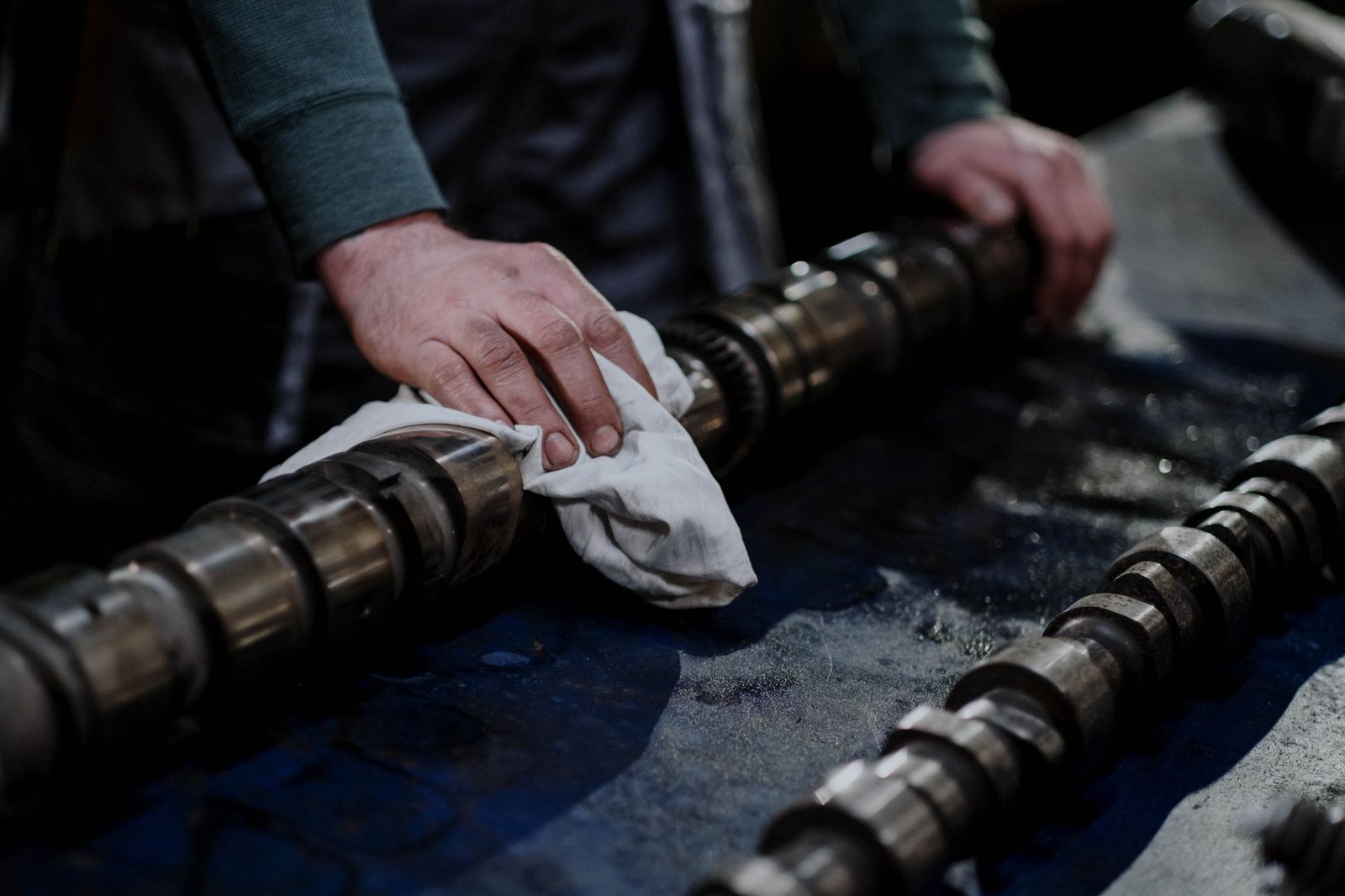
    A mechanic cleaning and inspecting a camshaft on a workbench

    What Actual Testing Looks Like by Part Type

    Part TypeHow It’s TestedWhat It Confirms
    EngineCompression test, visual inspection for leaks or damageCylinder health, absence of major internal issues
    TransmissionFluid condition check, shift behavior if run on a standNo slipping, no contamination, proper operation
    Alternator / starterBench test under electrical loadCorrect voltage output or cranking performance
    Body panelsVisual inspection, fitment check against reference specsNo hidden damage, correct mounting points

    This is the layer that matters most once you’ve confirmed a part’s grade: two Grade B engines can have very different levels of confidence behind them depending on whether one was actually compression-tested and the other was just mileage-checked and eyeballed.

    A mechanic working under an open car hood

    How We Handle Grading and Testing

    Every part we sell is inspected against these same industry standards, but grade alone never determines whether something goes on our shelves. Mechanical parts are function-tested, not just mileage-checked, and every part, regardless of grade, is backed by a warranty covering defects found after installation. We’d rather tell you a part is Grade B and function-tested than call it Grade A on mileage alone with no verification behind it.

    Reviewing a cost breakdown document

    How Grade Affects Price

    Grade and price should move together in a predictable way: a Grade A engine commands a premium over a Grade B or C example of the same part, reflecting the lower risk of near-term issues from age or wear. This isn’t just about being fair to the buyer, either, since a seller who consistently overprices lower-grade parts by mislabeling them erodes the trust that makes the whole grading system useful in the first place. When you’re comparing quotes from different sellers, ask each one to state the grade explicitly rather than just quoting a price, so you’re comparing like for like.

    Where Englewood Used Auto Parts Fits In

    Browse our used auto parts inventory or call ahead with your VIN to confirm current availability and condition grade.

    Not sure how to confirm your VIN before ordering? Our VIN and vehicle compatibility guide covers exactly what to check. And if you’re comparing us against a self-service option, our junkyard vs. used auto parts store guide explains the tradeoffs. If you’re leaning toward pulling a part yourself, our DIY part removal guide covers the tools and safety steps involved. Since grading also accounts for corrosion, our rust and used parts guide covers what to check on any part before you buy. And if you’re wondering how much life a graded part actually has left, our used parts lifespan guide covers that question directly.
    Frequently Asked Questions

    What does Grade A mean for a used part?

    For mechanical parts, it generally means low mileage, typically under 60,000 miles or under about 15,000 miles per year. For body parts, it means minimal to no damage. Either way, it’s a starting point, and actual testing matters more for functional components.
    Who created the A/B/C used parts grading system?

    The Automotive Recyclers Association (ARA), the leading trade organization for the auto recycling industry, developed the standard in partnership with CIECA, an international collision repair estimating standards body.

    Is a Grade B part reliable?

    Yes. Grade B simply reflects moderate mileage or wear rather than damage, and a properly tested Grade B part is a reliable, more affordable alternative to Grade A for most repairs.

    Does grade replace the need for a warranty?

    No. Grade describes likely condition based on mileage or damage; a warranty backed by actual testing is a stronger indicator of a part’s reliability than the grade letter alone.

    Do you grade parts before or after testing?

    Both matter to us: a part’s grade reflects its mileage or condition, but mechanical parts are also function-tested before being cataloged, and every part is backed by a warranty regardless of grade.

    What testing confirms an engine is actually good, not just low mileage?

    A compression test checks cylinder health directly, along with a visual inspection for leaks, coolant contamination, or other damage. Mileage alone tells you the grade; testing tells you whether that grade is actually backed up.

    Have an old vehicle you’re thinking of selling rather than repairing? Our guide to selling a junk car for cash covers what it’s actually worth.

    Have a question about a specific part’s grade or testing history? Contact our parts counter and we’ll walk you through exactly what was checked.

  • Salvage Title Explained: What Buyers Need to Know

    Salvage Title Explained: What Buyers Need to Know

    “Salvage title” is one of those terms that gets used loosely, but it has a specific legal meaning that affects what you can and can’t do with a vehicle, how much insurance will cost, and what it’s actually worth. Since we source many of our parts from vehicles that carry exactly this kind of title, it’s worth understanding clearly, both if you’re buying parts from us and if you’re evaluating a vehicle for purchase.

    This guide covers what a salvage title actually means, how it’s different from a rebuilt title, and what Illinois specifically requires to clear one.

    Salvage Title vs. Rebuilt Title

    Title TypeWhat It MeansCan It Be Driven?
    SalvageInsurer declared the vehicle a total loss due to damage, theft recovery, flood, or fireNo — not legal to drive or register in this state
    Rebuilt (Rebuilt Salvage)A salvage vehicle that has been repaired and passed required state inspectionsYes, once the rebuilt title is issued

    Why Vehicles Get a Salvage Title

    An insurance company declares a vehicle a total loss when the cost of repairs exceeds a set percentage of its fair market value. In Illinois, that threshold is generally around 33% of the vehicle’s value, meaningfully lower than some other states, which means a moderately damaged vehicle here can be totaled where the same damage in a state with a higher threshold might just get repaired under the original title. Total loss determinations aren’t limited to collisions either — flood damage, fire, vandalism, and theft recovery (where parts were stripped before the vehicle was found) are all common salvage title triggers.

    Rows of vehicles at a salvage auction yard

    Illinois’ Rebuilt Title Process

    Illinois requires one of the more rigorous rebuilt title processes in the country. According to the Illinois Secretary of State, a salvage vehicle must first pass an IDOT Safety Lane inspection verifying the repairs meet basic safety standards, and then, for vehicles eight model years old or newer, undergo a separate Secretary of State Police inspection specifically checking that the VIN and part identification numbers haven’t been removed, altered, or tampered with, and confirming there’s no indication the vehicle or its parts were stolen. Each inspection carries its own fee, and only after passing both is a rebuilt title issued.

    Storm damage from a fallen tree on a car

    What This Means If You’re Buying a Vehicle

    • A salvage or rebuilt title should be reflected in the price — expect a meaningfully lower value than a clean-title equivalent, often 20 to 40% less depending on the specific repair history.
    • Financing and insurance can both be harder to get on a rebuilt title vehicle; many insurers only offer liability coverage, not comprehensive or collision.
    • Ask for documentation of the specific repairs performed, not just proof the title was cleared, so you understand exactly what was damaged and how it was fixed.
    • A vehicle history report will show a salvage brand if it was ever assigned in the U.S., but title-washing (moving a vehicle through a state with weaker disclosure rules) can sometimes obscure this, so a report alone isn’t a complete guarantee.
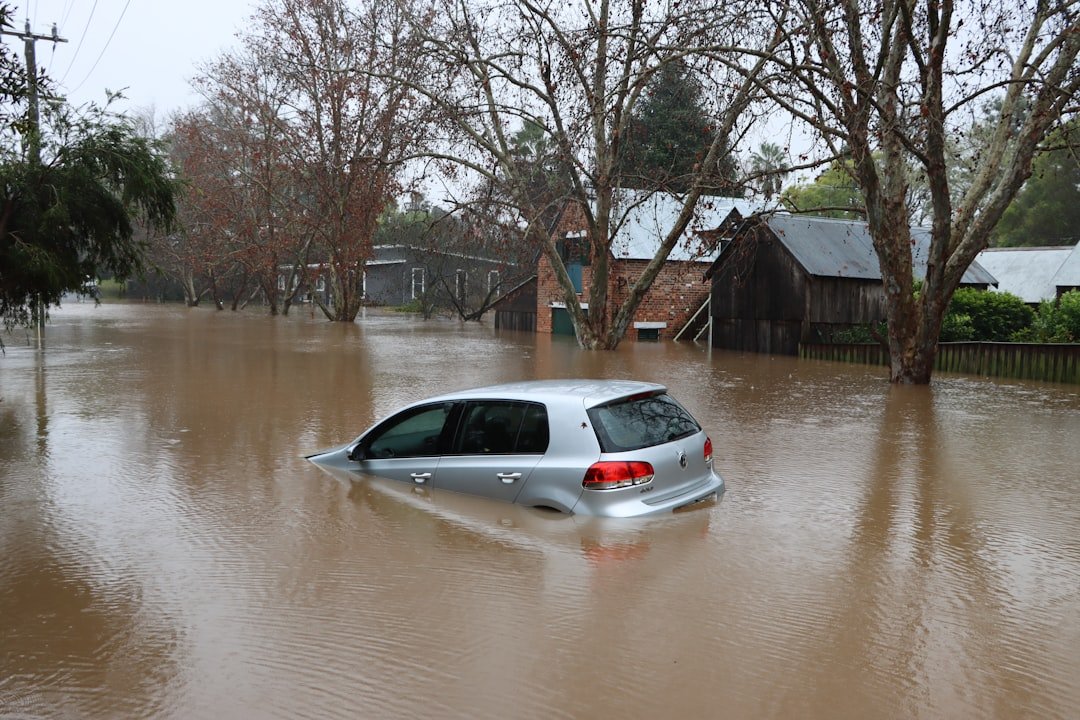
    A car partially submerged on a flooded street

    Other Related Title Brands

    BrandWhat It Means
    FloodVehicle was submerged in water; often devastating to electronics even if it drives afterward
    Junk / Non-RepairableDamage so severe the vehicle cannot legally be rebuilt or returned to the road at all
    Lemon Law BuybackManufacturer repurchased the vehicle due to unresolved defects under state lemon laws
    Odometer RollbackIndicates a documented odometer discrepancy, unrelated to collision damage but still a red flag

    These brands can appear alongside or separately from a salvage designation, and each carries its own implications. A flood title in particular deserves extra caution, since water damage to wiring, sensors, and control modules can cause problems that surface months after purchase, long after a basic test drive would have caught anything obvious.

    Inspecting a vehicle's body panel by hand

    What This Means for Buying Parts From a Salvage Vehicle

    This is where it gets more straightforward: a part pulled from a salvage vehicle isn’t itself “salvage” in any negative sense — the vast majority of components on a totaled car are completely undamaged and function identically to the same part from a vehicle that was never in an accident. A car totaled by hail damage might have a flawless engine, transmission, and interior. This is exactly the economic logic behind the used auto parts industry: separating a vehicle’s total-loss status from the individual condition of its components.

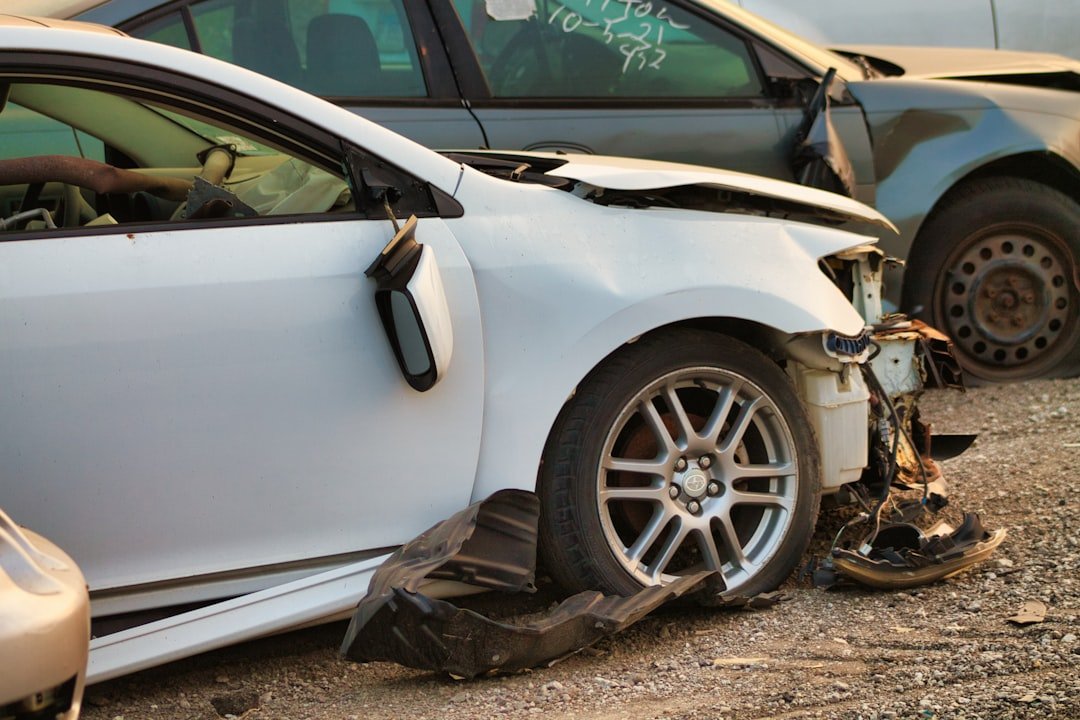
    Side impact damage on a wrecked vehicle at a salvage yard

    Where Englewood Used Auto Parts Fits In

    Every part we sell, regardless of the donor vehicle’s title status, is individually inspected and tested before it’s cataloged, and backed by a warranty. Browse our used auto parts inventory or call ahead with your VIN to confirm current availability.

    Not sure how to confirm your VIN before ordering? Our VIN and vehicle compatibility guide covers exactly what to check. And if you’re weighing a used part against a self-service pull, our junkyard vs. used auto parts store guide explains the tradeoffs. Salvage-title vehicles aren’t necessarily rustier than any other used car, but our rust and used parts guide covers what to actually check regardless of a vehicle’s title history. Flood damage is one specific cause behind some salvage titles; our flood-damaged vehicles guide covers the signs worth checking for specifically.

    Frequently Asked Questions

    What does a salvage title mean?

    It means an insurance company declared the vehicle a total loss, generally because repair costs exceeded a set percentage of its value (around 33% in Illinois). A salvage title vehicle cannot legally be driven or registered until it’s repaired and passes required inspections for a rebuilt title.

    Is a rebuilt title the same as a salvage title?

    No. A salvage title means the vehicle hasn’t been cleared to drive. A rebuilt title means it has been repaired and passed the required state inspections, and can legally be driven and registered again.

    Does Illinois require an inspection for a rebuilt title?

    Yes, and it’s a multi-step process: an IDOT Safety Lane inspection for basic roadworthiness, plus a separate Secretary of State Police inspection for vehicles eight model years or newer, checking VIN integrity and confirming no stolen parts.

    Can I get full insurance coverage on a rebuilt title vehicle?

    Often not. Many insurers limit rebuilt title vehicles to liability-only coverage, and those that do offer comprehensive or collision coverage may charge higher premiums.

    If a vehicle had a salvage title, does that mean its parts are bad?

    No. Most components on a totaled vehicle are undamaged and function identically to parts from a vehicle that was never in an accident. Reputable sellers individually inspect and test each part regardless of the donor vehicle’s title history.

    What’s the difference between a salvage title and a flood title?

    Both are total-loss designations, but a flood title specifically indicates water damage, which can affect electronics and wiring in ways that aren’t always obvious right away, even after the vehicle is repaired and dried out.

    How a Salvage Title Affects Long-Term Resale Value

    Even after a vehicle is properly repaired and issued a rebuilt title, that history follows it permanently. Resale value for a rebuilt title vehicle typically runs 20 to 40% below a comparable clean-title vehicle, and that gap doesn’t close over time the way normal depreciation does — a ten-year-old rebuilt title car still sells at a discount relative to an equivalent clean-title car of the same age and mileage. This is worth factoring in if you’re considering buying a rebuilt title vehicle as a long-term investment rather than simply the cheapest way to get reliable transportation.

    Does a rebuilt title always mean lower resale value?

    Yes, typically 20 to 40% below a comparable clean-title vehicle, and this discount generally persists over the life of the vehicle rather than fading with age like normal depreciation.

    Have questions about a specific part’s origin or condition? Contact our parts counter and we’ll walk you through exactly what was checked before it went on the shelf.